

In 2025, real-world asset tokenization has surged forward, transforming real estate from rigid holdings into dynamic digital assets. Platforms like Blocksquare and Landshare report accelerated adoption, with blockchain streamlining deals through smart contracts and fractional ownership. Yet, amid this growth, tokenized real estate secondary markets face a stubborn hurdle: liquidity gaps that limit trading volumes and investor participation. A recent study underscores low activity in most RWA tokens, marked by extended holding periods despite the allure of global, 24/7 access.
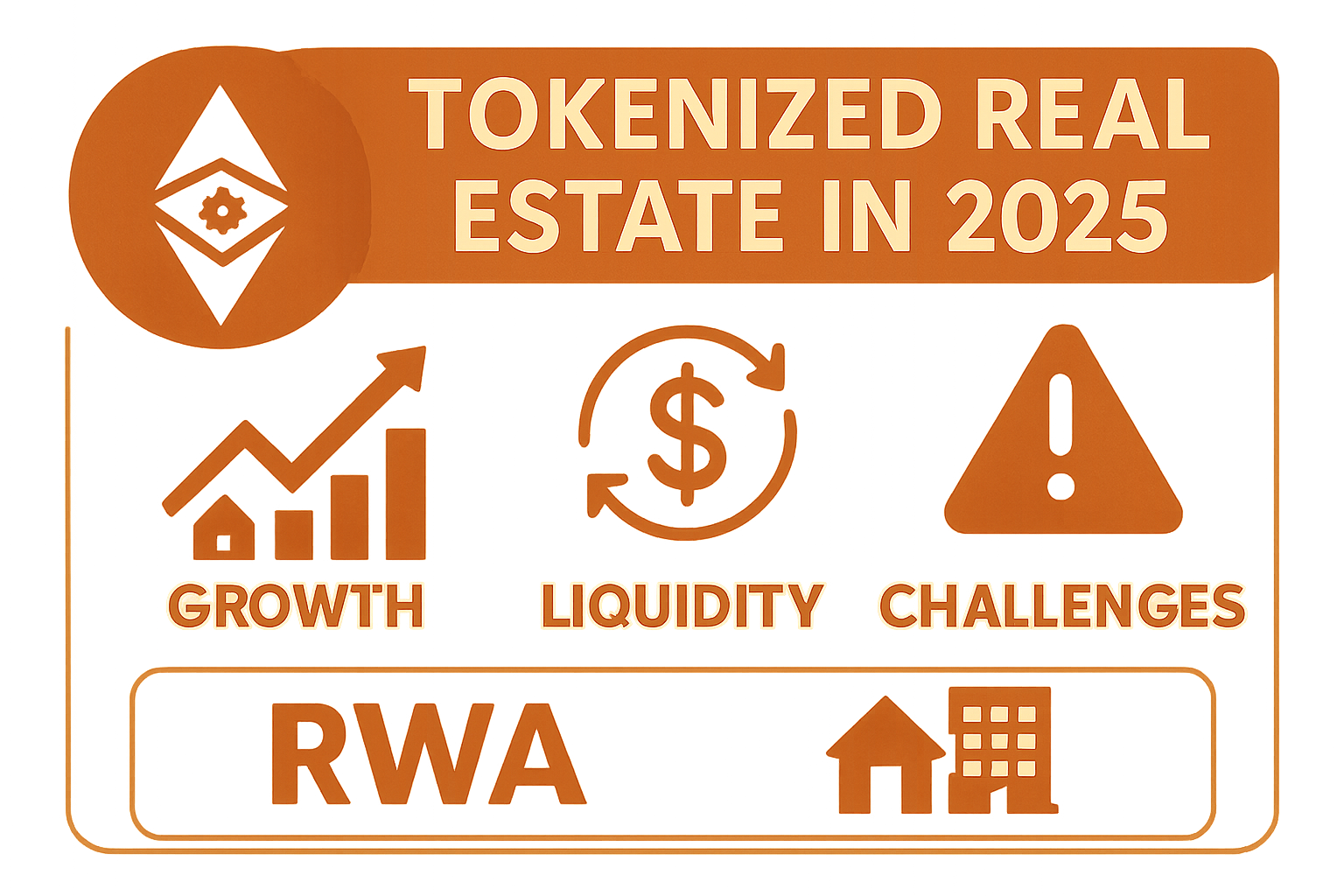
This disparity stems from nascent infrastructure. Traditional real estate's illiquidity- tied to lengthy sales and high barriers- persists in tokenized form without robust secondary venues. Trading remains sporadic, confined to small pools, as noted in reports from Tokenizer. Estate and Primior. Investors eye the potential for real estate token liquidity 2025, but thin order books and regulatory uncertainties deter broader engagement.
Unpacking Liquidity Shortfalls in Secondary Markets
Secondary markets for tokenized properties demand depth and stability to thrive. Currently, volumes lag due to fragmented liquidity. Blockquare addresses this head-on with Oceanpoint, a dedicated liquidity engine designed to foster continuous trading. Meanwhile, Landshare's Q2 2025 research highlights how tokenization speeds transactions, yet secondary trading volumes hover far below expectations.
Key pain points include mismatched buyer-seller dynamics and volatile pricing. Without established exchanges, tokens trade over-the-counter or on underdeveloped DEXs, leading to wide spreads. A Calibraint analysis points to these as core tokenized property trading challenges, where even fractional shares fail to ignite consistent activity. The result? Assets sit idle, undermining the promise of on-chain real estate.
Incentives and Mechanisms to Boost Secondary Liquidity
Platforms are countering these gaps with targeted strategies. Incentivized liquidity providers top the list: reduced fees and native token rewards draw capital to thicken order books. Automated market makers (AMMs) follow, deploying algorithms to balance buys and sells amid volatility, ensuring quotes even in quiet periods.
Human-driven market making complements this for premium assets, offering expert oversight during launch phases. Fractional ownership expands the investor base, pulling in retail participants who trade more frequently than institutions. Primior outlines these as pivotal in solving real estate's liquidity riddle, with secondary markets emerging as the linchpin. Blocksquare's roadmap for 2025 emphasizes such tools, aiming to standardize trading and scale adoption through community efforts and compliance.
Early data from these implementations shows promise. For instance, incentivized pools on select platforms have doubled trading depth in pilot programs. Yet, scaling requires interoperability- xRWA frameworks enable cross-chain flows, smoothing settlements and authentication. As RWA secondary market solutions mature, they pave the way for fluid tokenized property exchanges.
Laying Foundations for On-Chain Real Estate Utility
Beyond mere trading, on-chain real estate utility elevates tokens from static representations to programmable assets. Smart contracts automate rent payouts and management, slashing overhead while boosting transparency. This separation of ownership from cash flows lets holders unlock value from rentals without selling principal, per Chainlink insights.
Standardization further aids: uniform token units and clear valuations build trust, easing comparisons across properties. Antier Solutions lists these among 2025's top use cases, from diversified portfolios to efficient financing. Platforms like Landshare's Tokenization Hub connect assets to active markets, turning concepts into tradable realities.
Programmable finance stands out as a cornerstone here, where smart contracts not only handle routine tasks like rent distribution but also enforce compliance in real time. This reduces disputes and administrative costs, which traditionally erode returns in property investments. Ainvest reports signal how such integrations with DeFi are reshaping valuations, making tokenized assets more responsive to market signals.
Cross-chain interoperability emerges as another vital layer. Frameworks like xRWA tackle silos between blockchains, enabling tokenized properties to move fluidly across ecosystems without the drag of repeated verifications or settlement delays. This fluidity directly bolsters real estate token liquidity 2025 by connecting disparate investor pools, from Ethereum enthusiasts to Solana speed seekers.
Comparison of Liquidity Strategies: Incentivized Providers vs. AMMs vs. Human Market Making
| Strategy | Pros | Cons | 2025 Adoption Examples (Blocksquare & Calibraint) |
|---|---|---|---|
| Incentivized Liquidity Providers | ✅ Rewards like reduced fees or native tokens attract providers ✅ Bootstraps liquidity in thin markets ✅ Cost-effective for early stages | ❌ Sustainability of incentives ❌ Risk of provider exits after rewards end ❌ Potential token dilution | Calibraint: Native token incentives for RWA pools (calibraint.com) Blocksquare: Reward programs in Oceanpoint liquidity engine |
| Automated Market Makers (AMMs) | ✅ 24/7 automated liquidity provision ✅ Instant balancing and volatility response ✅ No counterparty matching needed | ❌ Impermanent loss for liquidity providers ❌ Slippage during low-volume periods ❌ Vulnerable to front-running | Calibraint: AMM protocols for tokenized real estate (calibraint.com) Blocksquare: Oceanpoint as algorithmic liquidity engine |
| Human-Driven Market Making | ✅ Expert pricing and deep order books ✅ Handles high-value or volatile assets ✅ Manual stability during early phases | ❌ High operational costs ❌ Limited scalability and 24/7 coverage ❌ Centralization and conflict risks | Calibraint: Professional MM for specialized RWAs (calibraint.com) Blocksquare: Partnered human market makers for premium properties |
Yet, achieving seamless utility demands more than tech alone. Separating ownership tokens from cash flow rights- think equity stakes versus rental yield streams- unlocks liquidity without diluting control. Property owners can pledge future income for loans or swaps, as Chainlink details, fostering a vibrant derivatives market atop primary assets. Sqmu emphasizes standardization's role: uniform token standards and auditable valuations cut through opacity, letting investors benchmark a Miami condo token against a London office block effortlessly.
Case Studies: Platforms Bridging the Gap
Blocksquare exemplifies progress with its Oceanpoint liquidity engine, which pools incentives to maintain tight spreads even for niche properties. Their 2025 roadmap, as outlined in company updates, prioritizes secondary market depth through community-driven listings and automated tools. Denis from Blocksquare notes this directly counters thin trading, drawing parallels to mature crypto markets.
Landshare complements this with its Tokenization Hub, streamlining asset onboarding to secondary venues. Q2 2025 research from the platform reveals tokenized deals closing 70% faster than traditional ones, though secondary volumes still trail. Primior's analysis aligns, spotlighting fractional ownership's role in activating retail traders who flip positions weekly, not yearly.
The lack of large secondary markets persists as a 2025 hurdle, but platforms like these are scripting the turnaround.
Tokenizer. Estate Report
Antier Solutions projects top use cases expanding into yield farming with property collateral and peer-to-peer rentals on-chain. These innovations don't just patch liquidity gaps; they redefine utility, turning static deeds into engines of compounded value.
From a macroeconomic standpoint, I've long argued that real estate's cycle vulnerability- prone to interest rate swings and regional slumps- finds an antidote in tokenization's borderless reach. Research bears this out: as secondary markets mature, correlations with local economies weaken, diversifying risk globally. Blocksquare's adoption push via local campaigns underscores this, blending compliance with grassroots momentum.
Looking ahead, coordinated regulatory nods will accelerate this shift. Expect dedicated RWA exchanges by late 2025, blending CEX reliability with DEX transparency. Until then, incentivized AMMs and human oversight will carry the load, as Calibraint prescribes. Platforms rewarding liquidity providers with fee rebates or governance tokens are already showing 2x volume lifts in pilots.
Fractionalization amplifies everything: a $1 million property splintered into 10,000 tokens at $100 each invites thousands into the fray, sustaining order flow. Vocal Media highlights how this democratizes access, fueling the very secondary activity that eluded traditional REITs.
Explore how tokenized real estate enhances global liquidity, bridging continents with code. As these elements converge, tokenized real estate secondary markets evolve from promise to practice, rewarding patient builders and savvy allocators alike.


No comments yet. Be the first to share your thoughts!