

In the evolving landscape of 2026 tokenized real estate, investors are navigating a mix of groundbreaking opportunities and sobering realities. Platforms like RealT, Lofty AI, and early pioneers such as the St. Regis Aspen Resort exemplify how blockchain is reshaping property investment. These tokenized real estate case studies spotlight RealT Detroit properties with their promised 8-12% yields, Lofty AI tokenized real estate leveraging artificial intelligence for efficiency, and St. Regis Aspen tokenization opening luxury assets to fractional ownership. As yields hover around attractive levels for fractional property yields 2026, understanding both the innovations and pitfalls is crucial for building resilient portfolios.
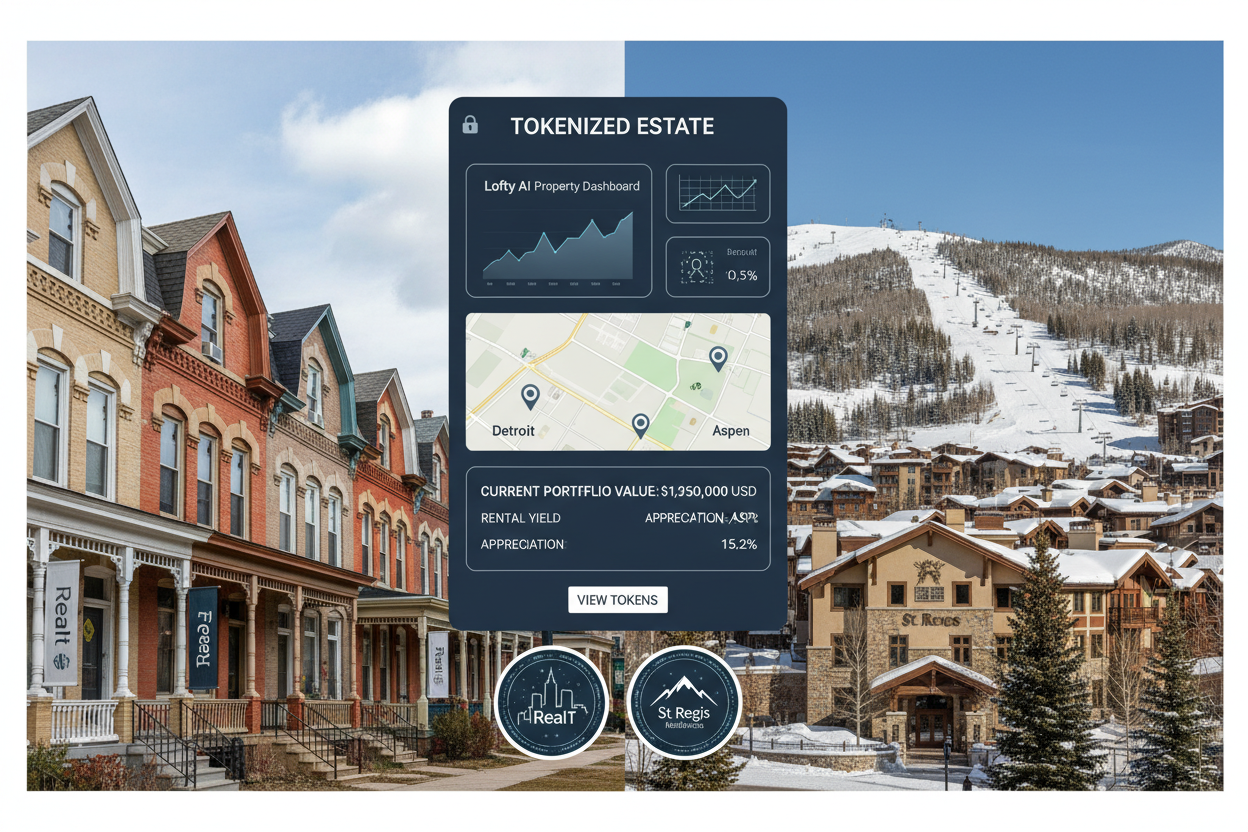
RealT Detroit Properties: Achieving 8-12% Yields Through Tokenized Affordable Real Estate Since 2019
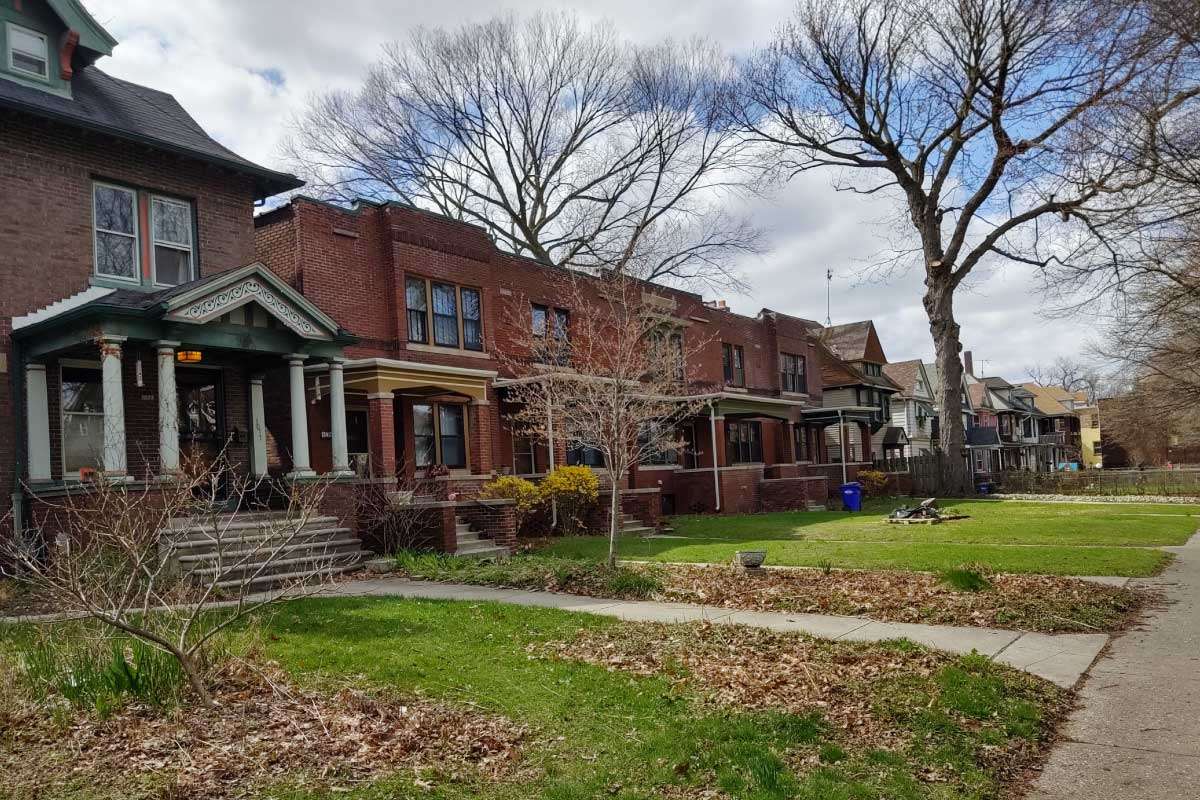
RealT burst onto the scene in 2019, targeting Detroit's undervalued housing market to tokenize residential rentals. By converting affordable properties into digital tokens on the blockchain, the platform promised investors steady rental income with yields between 8-12%. This approach democratized access, allowing small stakes in real-world assets (RWAs) that traditionally required substantial capital. Over time, RealT tokenized hundreds of Detroit homes, capitalizing on the city's revitalization and low entry barriers for tokenized shares.
Yet, the model has not been without turbulence. As of early 2026, Detroit authorities have sued RealT over code violations, unpaid taxes on 408 properties, and allegations of selling tokens for homes the company did not own. Reports indicate $2.72 million raised from 39 such properties, sparking debates on transparency and tenant impacts. Crypto enthusiasts hailed the high yields, but critics argue it tokenized poverty, displacing residents amid property neglect. Despite payouts continuing, these challenges underscore risks in RWA tokenization, from regulatory scrutiny to operational missteps.
Still, RealT's innovation in fractionalizing rentals offers lessons for scaling tokenized portfolios. Investors drawn to real-world rental returns must weigh the allure of double-digit yields against due diligence on property management and legal compliance.
2026 Tokenized RE Case Studies
- RealT Detroit Properties: Achieving 8-12% yields through tokenized affordable real estate since 2019. Low entry costs and daily payouts attract investors, but legal risks loom large: Detroit sued over 408 properties for code/tax violations; allegations of selling tokens for unowned homes, raising $2.72M.
- Lofty AI Properties: AI-optimized fractional ownership on Algorand blockchain. Tokenized 150+ U.S. rentals across 40 markets ($50M value) by mid-2025; $50 minimums, daily income, 24-hour marketplace, and governance voting on repairs/rents.

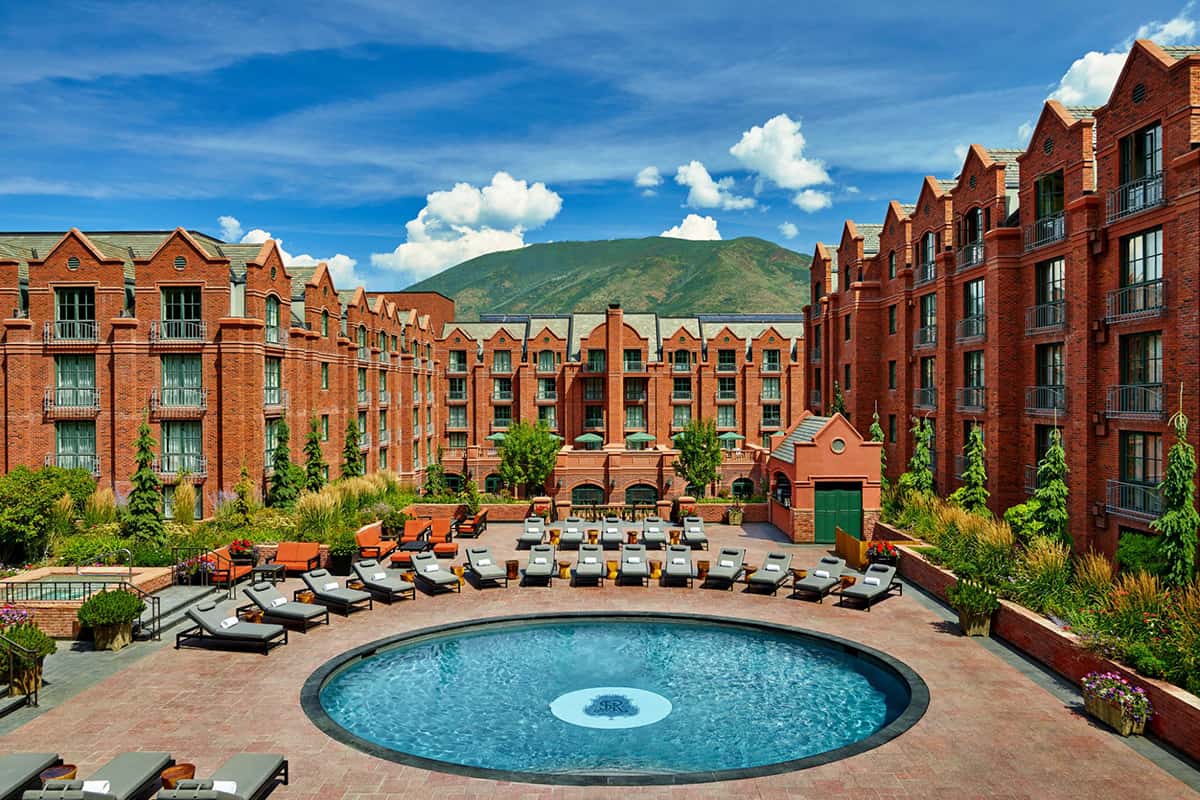
- St. Regis Aspen: Luxury resort tokenization enabling high-end fractional investments. Pioneered in 2018 with $18M security token offering, democratizing access to premium assets and inspiring sector growth.
Lofty AI Properties: AI-Optimized Fractional Ownership on Algorand Blockchain
Shifting from Detroit's grit to broader U. S. markets, Lofty AI represents a tech-forward evolution in tokenized real estate. By mid-2025, the platform had tokenized over 150 rental properties across 40 markets, amassing $50 million in value. Built on the efficient Algorand blockchain, Lofty enables investments from just $50, with daily rental distributions and a 24-hour secondary marketplace for liquidity. Token holders even vote on governance, like repair approvals or rent hikes, fostering community-driven management.
What sets Lofty apart is its AI integration, optimizing property selection, tenant screening, and maintenance predictions to boost efficiency and yields. This data-driven approach mitigates some risks seen in earlier platforms, appealing to retail investors seeking passive income without the headaches of direct ownership. In 2026, as tokenized assets mature, Lofty's model balances accessibility with sophistication, potentially setting a standard for sustainable fractional ownership.
Early adopters report competitive returns, though exact yields vary by property. The platform's transparency in disclosures and blockchain immutability address common RWA concerns, making it a thoughtful choice for diversified portfolios amid market volatility.
St. Regis Aspen: Luxury Resort Tokenization Enabling High-End Fractional Investments
The St. Regis Aspen Resort's 2018 security token offering (STO) remains a landmark, raising $18 million to fractionalize stakes in this iconic Colorado luxury property. Amid Aspen's booming ski and hospitality scene, the tokenization unlocked elite real estate for non-ultra-high-net-worth individuals, blending blockchain with high-end appeal. Investors gained exposure to resort revenues, from room bookings to amenities, without buying whole units.
Nearly a decade later, this case study influences 2026 trends, proving tokenized luxury can thrive under regulation.
Token holders have seen value appreciation tied to Aspen's resilient tourism economy, with distributions reflecting seasonal peaks in occupancy and events. This early STO navigated SEC compliance through Regulation D and A and, setting a blueprint for luxury St. Regis Aspen tokenization that prioritizes investor protections alongside innovation.
While yields here skew toward capital gains over steady rentals, the project's longevity validates tokenized high-end assets. It contrasts sharply with volume-driven models like RealT, offering stability for those balancing portfolios with trophy properties.
Comparison of 2026 Tokenized Real Estate Case Studies
| Project | Minimum Investment | Key Metrics | Markets/Properties | Key Features | Challenges |
|---|---|---|---|---|---|
| RealT Detroit | $50 | 8-12% yields | 200+ properties primarily in Detroit | Tokenized affordable rentals since 2019 | High legal risks: sued by Detroit over code/tax violations on 408 properties, sold tokens for unowned homes ($2.72M raised) |
| Lofty AI | $50 | $50M tokenized value | 150+ properties across 40 U.S. markets | AI governance, daily rental income, 24h marketplace on Algorand | Regulatory challenges |
| St. Regis Aspen | STO participation | $18M raised | Luxury Aspen resort | Revenue shares, pioneering luxury STO (2018) | Minimal recent challenges noted |
Navigating Risks and Rewards in 2026 Fractional Ownership
These tokenized real estate case studies reveal a spectrum of strategies, from RealT's aggressive Detroit scaling to Lofty's AI precision and St. Regis's premium positioning. Fractional property yields 2026 remain compelling, yet 2026's regulatory tightening demands vigilance. RealT's Detroit woes, including the city's suit over 408 properties and $2.72 million in disputed tokens, expose vulnerabilities in rapid tokenization without robust oversight. Lofty counters this with Algorand's speed and governance, tokenizing $50 million across diverse markets to dilute location-specific risks.
St. Regis, meanwhile, exemplifies how established assets weather storms, its 2018 raise enduring market cycles. Investors should prioritize platforms with verifiable ownership chains, audited smart contracts, and clear exit ramps. My view: blend these approaches - allocate modestly to high-yield plays like RealT Detroit properties for income, Lofty for liquidity, and St. Regis-style tokens for appreciation hedges.
Forward-thinking portfolios in tokenized real estate thrive on diversification. Lofty AI tokenized real estate shines for tech-savvy users, its daily payouts and voting rights echoing DeFi principles applied to bricks and mortar. Yet, as Detroit's saga shows, blockchain's transparency amplifies both upsides and accountability shortfalls.
Looking ahead, expect refined models: AI-driven due diligence, cross-chain interoperability, and institutional custody to elevate trust. Platforms evolving beyond hype, like those studied here, will define sustainable fractional property yields 2026. For investors, the mantra holds: scrutinize the foundation before tokenizing the future.
RealT Detroit Properties (RealT) Token Price Prediction 2027-2032
Forecasts based on legal resolution outcomes, RWA adoption trends, and Detroit real estate recovery amid ongoing challenges
| Year | Minimum Price (USD) | Average Price (USD) | Maximum Price (USD) | Avg YoY % Change |
|---|---|---|---|---|
| 2027 | $0.60 | $1.00 | $1.50 | +33% (from 2026 $0.75) |
| 2028 | $0.90 | $1.40 | $2.10 | +40% |
| 2029 | $1.20 | $1.90 | $2.90 | +36% |
| 2030 | $1.50 | $2.50 | $3.80 | +32% |
| 2031 | $1.80 | $3.20 | $5.00 | +28% |
| 2032 | $2.20 | $4.00 | $6.50 | +25% |
Price Prediction Summary
Despite significant legal hurdles in 2026, RealT tokens could experience substantial recovery and growth from 2027 onward. Average prices are projected to rise from $1.00 in 2027 to $4.00 by 2032, driven by potential post-legal resolution yields of 8-10%, broader RWA adoption, and Detroit market stabilization. Minimum prices reflect bearish scenarios with prolonged litigation and regulatory crackdowns, while maximums assume bullish crypto cycles, tech integrations, and competition dynamics favoring tokenized real estate.
Key Factors Affecting RealT Detroit Properties Price
- Legal resolution of Detroit lawsuits and property ownership issues
- Regulatory clarity for tokenized RWAs in the US
- RWA sector growth and competition from Lofty AI (7-11% yields) and St. Regis (6-9%)
- Detroit real estate market recovery and rental yield stability
- Overall cryptocurrency market cycles and adoption trends
- Technological improvements in blockchain tokenization and liquidity
- Macroeconomic factors affecting real estate and investor sentiment
Disclaimer: Cryptocurrency price predictions are speculative and based on current market analysis. Actual prices may vary significantly due to market volatility, regulatory changes, and other factors. Always do your own research before making investment decisions.
No comments yet. Be the first to share your thoughts!