

Saudi Arabia is rewriting the rules of real estate investment with its bold leap into national real estate tokenization. Picture this: a seamless blockchain registry where you can snap up fractional shares of prime Riyadh properties or coastal villas in seconds, all backed by sovereign-grade infrastructure. As of February 2026, the Kingdom's Real Estate Registry (RER) has flipped the switch on a game-changing platform that's drawing global capital like a magnet. This isn't hype; it's a practical revolution for Saudi Arabia real estate tokenization, unlocking liquidity in a market long shackled by paperwork and borders.

Under Vision 2030, Saudi leaders aren't just talking diversification; they're building the pipes for it. The national tokenized real estate registry integrates everything from title deeds to fractional ownership, slashing settlement times and opening doors for foreign investors. Collaborations with firms like SettleMint and droppRWA have turned ambitious plans into operational reality, positioning the Kingdom as the epicenter of on-chain property Saudi Arabia.
Vision 2030 Ignites Saudi's Tokenized Real Estate Boom
Crown Prince Mohammed bin Salman’s Vision 2030 blueprint demands economic reinvention, and real estate tokenization is the rocket fuel. By digitizing property assets on blockchain, Saudi Arabia tackles liquidity woes head-on. Traditional markets here moved at a snail's pace; now, automated valuation models and escrow-linked payments make trades instant and transparent. The RER's platform supports the full spectrum: registration, fractionalization, buying, selling, even stablecoin settlements to cut costs further.
Foreign direct investment (FDI) is the big winner. Recent reforms allow non-Saudis to own property in key zones, paired with this national real estate tokenization Saudi Arabia infrastructure. It's no coincidence that a $400 million investment platform launched alongside, blending digital infrastructure with brick-and-mortar assets. Investors, take note: this setup attracts serious capital, from institutions eyeing tokenized carbon credits to retail players chasing yields.
First Tokenized Deed Transfer: A Blueprint for Global Investors
February 2026 marked history with Saudi Arabia's first end-to-end tokenized property title deed transfer. Integrating RER with droppRWA's settlement layer, this deal slashed processing from weeks to minutes. Programmable ownership kicked in, enforcing delivery-versus-payment to eliminate risks. For investors, it's a proof-of-concept that screams reliability. Dive deeper into this breakthrough via our guide on Saudi Arabia's first tokenized real estate deal.
This isn't isolated. The infrastructure handles fractional investments too, letting you own 1/100th of a luxury development without millions upfront. Backed by REGA supervision, it's compliant and secure, aligning with Saudi RWA platform standards. Early adopters report 24/7 trading on the national marketplace, with blockchain ensuring immutable records.

Open World's RWA Center: Powering Compliant Tokenization
Enter Open World Ltd. 's RWA Tokenization Center of Excellence in Al Khobar, launched January 2026. This hub targets sovereign and institutional clients, focusing on real estate financing alongside energy assets and carbon credits. It's tailor-made for Vision 2030's digital economy push, offering compliant pathways to tokenize high-value holdings.
Practical perks? On-chain verification means instant audits, while fractionalization democratizes access. Imagine pooling funds for mega-projects in NEOM or Red Sea developments, all tradable like stocks. Stablecoin integration sweetens the deal, promising low-fee global remittances. As a trader who's charted crypto surges, I see this as the next liquidity frontier for tokenized real estate KSA 2026.
The center's tech stack, blending blockchain with Saudi's registry, ensures scalability. Early pilots show reduced settlement risks and boosted FDI inflows. Investors should prioritize platforms leveraging this infrastructure for diversified, high-yield exposure.
Scaling this infrastructure means real estate isn't just digitized; it's programmable. Smart contracts automate rentals, dividends from developments, even ESG compliance for green buildings in Riyadh's expanding skyline. For forward-thinking investors, this translates to yields that outpace traditional REITs, with blockchain's transparency as the ultimate trust layer.
Practical Strategies: Charting Your Entry into Saudi Tokenized Assets
As someone who's traded crypto through bull and bear cycles, I chart these opportunities like emerging tokens on a breakout. Start with the RER marketplace for fractional shares in verified properties - think high-rise offices or Red Sea resorts. Platforms like droppRWA handle the heavy lifting, linking registry data to on-chain wallets for seamless trades. Pair this with stablecoin settlements to dodge forex volatility, especially if you're stateside or in Europe.
Diversify smartly: allocate 10-20% to tokenized real estate KSA 2026 for steady cash flow from rentals, tokenized quarterly. Use automated valuation models for real-time pricing, avoiding the guesswork of off-chain comps. Institutions are piling in via Open World's center, so retail investors gain an edge by moving first on fractional deals under $10K entry points.
Unlock Saudi Real Estate Riches: 5-Step Tokenization Investor Guide for 2026
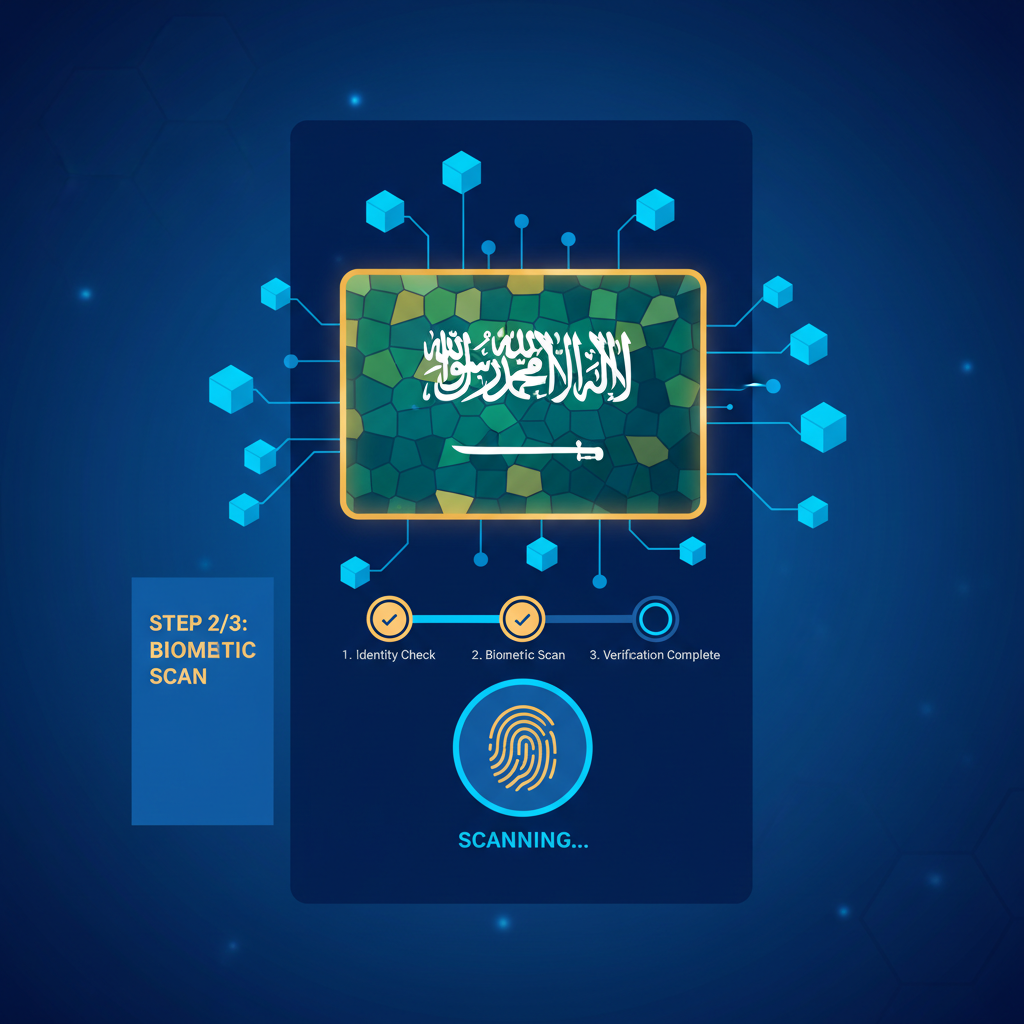
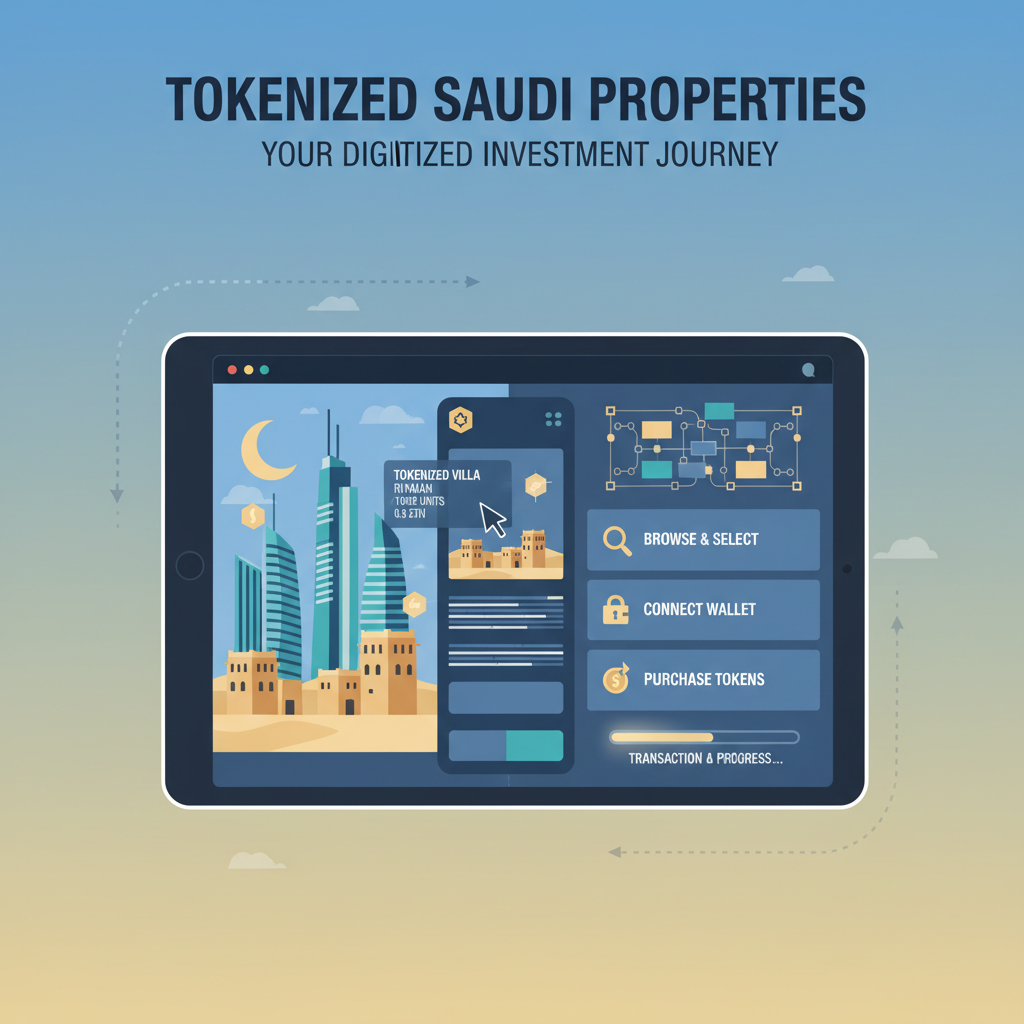
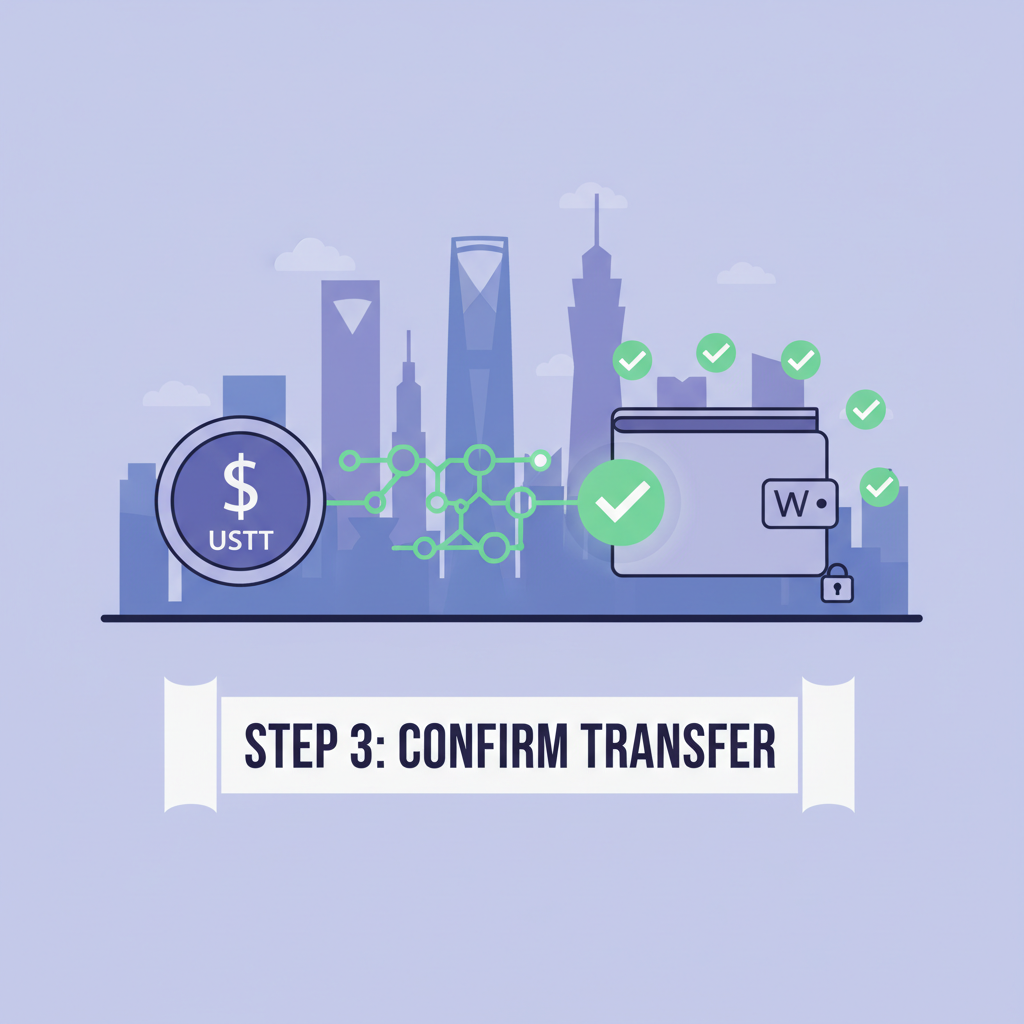
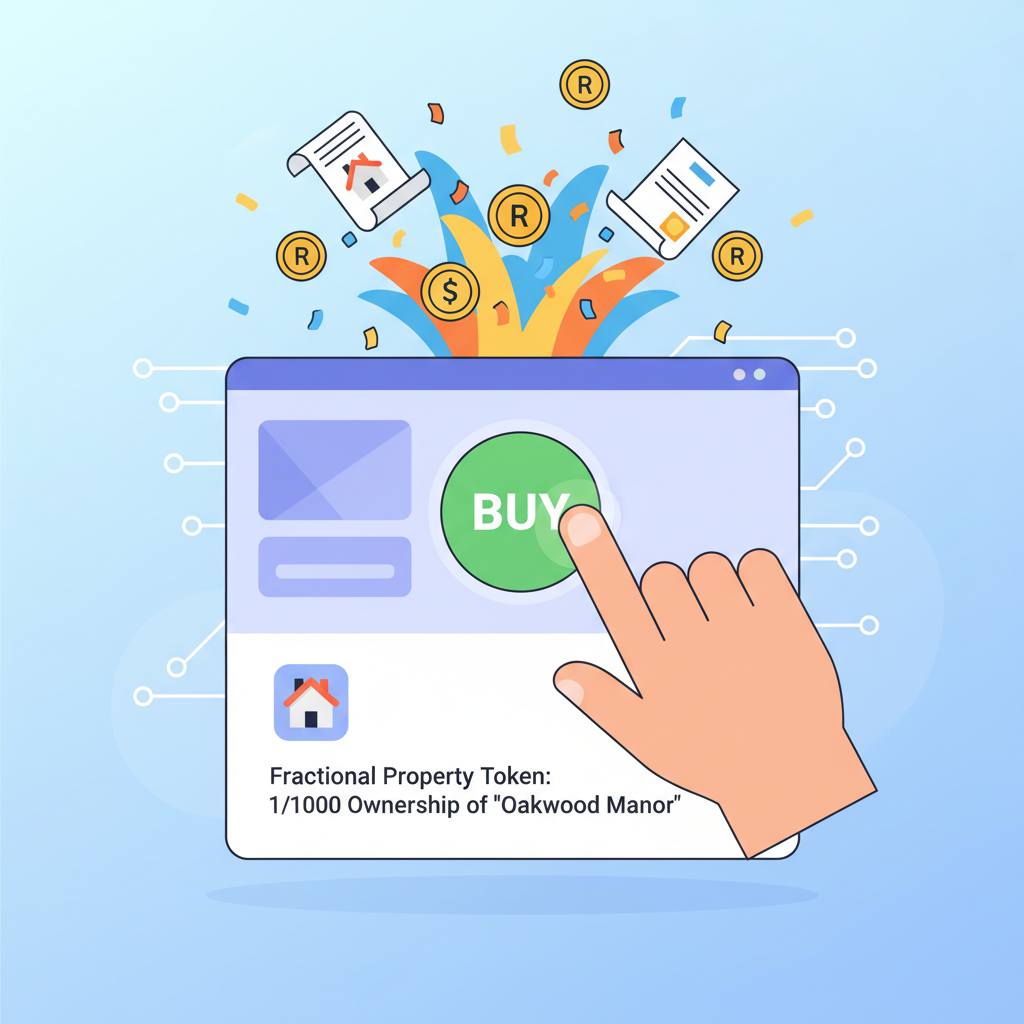
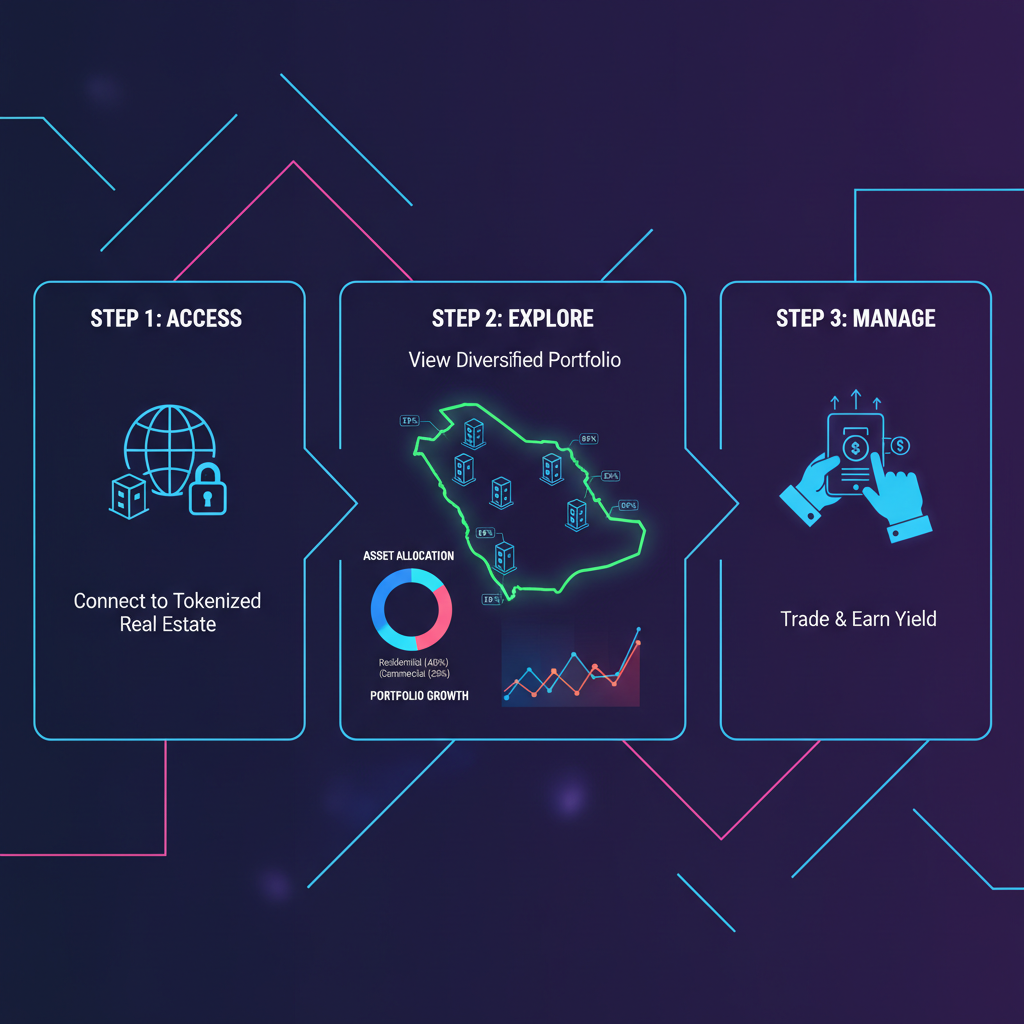
Risks? Regulatory evolution is key. While REGA oversight is ironclad now, monitor updates on foreign ownership caps. Liquidity shines in hotspots like NEOM, but secondary markets for niche assets may lag. Hedge with a mix of energy RWAs from the Al Khobar hub - tokenized solar farms offer uncorrelated returns.
Risks and Rewards: Balancing the Blockchain Ledger
Rewards dominate: slashed costs (no middlemen eating 5-10% fees), 24/7 global access, and fractionalization unlocking $ trillions in illiquid assets. Saudi's push aligns FDI inflows with Vision 2030, projecting a $500 billion RWA market slice. Early data shows settlement times under 24 hours, versus months before.
Yet, practicality demands caution. Oracle risks in valuations could skew prices; stick to RER-integrated feeds. Geopolitical stability bolsters confidence, but diversify geographies. My trading playbook: set stop-losses on tokens tied to volatile oil proxies, and ladder in during dips post-major announcements.
Pros vs. Cons of Saudi RWA Real Estate Investing (2026)
| Pros 💚 | Cons 🟡 |
|---|---|
| 🚀 Instant Liquidity National tokenized marketplace and droppRWA settlement layer enable rapid buying/selling/fractional trades, with first end-to-end tokenized deed transfer in Feb 2026 slashing settlement times via DvP. | |
| 📋 Transparent Registry RER's blockchain infrastructure (launched Nov 2025 w/ SettleMint) provides immutable title management, automated valuations, and escrow verification for full transparency. | |
| 💰 Stablecoin Efficiency Gov't exploring stablecoin integration for low-cost, transparent settlements in real estate, boosting global competitiveness. | |
| 🔗 Fractional Access Platform supports fractional ownership of properties, energy assets, and carbon credits via Open World's RWA Center of Excellence (Jan 2026). | |
| ⚠️ Evolving Regulations Supervised by REGA; upcoming foreign ownership rules and Vision 2030 alignments still maturing. | |
| 🔮 Oracle Dependencies Relies on oracles for off-chain data like valuations and real-world events in blockchain integration. | |
| 📈 Market Maturity Emerging ecosystem with 2025-2026 launches; $500B RWA potential but early adoption stage. | |
| 🌍 Geo-Political Factors Regional Middle East dynamics, Sharia compliance needs, and FDI attraction efforts amid global scrutiny. |
The edge goes to those blending tech savvy with local insights. Track RER pilots for carbon-linked properties - these could premiumize portfolios as ESG mandates tighten globally.
Your Action Plan: Seize On-Chain Property Momentum
Ready to deploy? Audit your portfolio for illiquid holdings, then pivot to on-chain property Saudi Arabia. Platforms from SettleMint collaborations offer APIs for programmatic buys, ideal for DAOs or family offices. Monitor Open World's expansions; their energy-real estate hybrids could yield 8-12% annualized, per initial benchmarks.
Saudi Arabia's infrastructure isn't a side project; it's the backbone for 2026's real estate OS. With first-mover deeds done and marketplaces live, the liquidity floodgates are open. Chart your course now - fractional ownership in Kingdom gems awaits, blending blockchain precision with desert innovation.
Stake your claim in this tokenized frontier. The charts don't lie: upward trajectories ahead for those who act decisively.



No comments yet. Be the first to share your thoughts!