
Grant Cardone, the high-octane real estate tycoon behind Cardone Capital, just dropped a bombshell: his firm is gearing up to tokenize a staggering $5 billion real estate portfolio. This isn’t some side hustle; it’s a full-throated charge into blockchain territory, promising investors unprecedented liquidity and collateral in secondary markets. With tokenized multifamily properties on the horizon, RWA enthusiasts are buzzing about which layer-1 and layer-2 chains will host this behemoth.

Cardone’s move comes hot on the heels of his firm’s aggressive Bitcoin pivot. Back in June 2025, they scooped up 1,000 BTC worth about $102 million, with eyes on another 3,000 by year-end. The 10X Miami River Bitcoin Fund exemplifies this fusion, blending stable rental income from multifamily assets with crypto’s upside. Now, layering tokenization atop this hybrid model could unlock fractional ownership at scale, democratizing access to premium properties previously locked behind accreditation walls.
Cardone Capital’s Tokenization Play: Liquidity Unlocked
Tokenizing grant cardone tokenized real estate means slicing those multifamily towers into tradable tokens, each backed by real cash flow. Investors get on-chain yields from rents, plus the ability to trade 24/7 without the usual illiquidity drag of private equity. Cardone Capital is hunting an L2 partner, signaling a strategic nod to scalability. This isn’t hype; it’s a calculated bet on RWAs exploding in 2026, with tokenized real estate leading the charge.
Current market jitters aside, Solana’s Binance-Peg SOL trades at $83.72, down 3.81% in the last 24 hours from a high of $88.11. Yet for cardone capital rwa tokenization, speed and cost matter more than daily swings. Cardone’s portfolio, heavy on multifamily, demands platforms that handle high-volume token minting and transfers without choking.
Solana’s High-Speed Edge for Real Estate Tokens
Solana stands out for RWA investors eyeing Cardone’s play. Its blistering transaction speeds, clocking thousands per second, pair perfectly with low fees, making it ideal for frequent dividend distributions from tokenized multifamily properties. Imagine renting out fractional shares of a Cardone apartment complex, with yields settling in seconds. We’ve seen projects like Ondo Finance thrive here, proving Solana’s chops for institutional-grade RWAs. For a $5 billion portfolio, Solana’s parallel processing via Sealevel runtime minimizes bottlenecks, crucial when onboarding thousands of token holders.
Strategically, Solana’s ecosystem is maturing fast for real estate. DeFi protocols like Kamino and Jito offer liquidity pools tailored for stablecoin-backed property tokens. If Cardone picks Solana, expect seamless integration with his Bitcoin holdings via wrapped assets, amplifying that hybrid appeal.
Avalanche Subnets: Institutional Fortress for Tokenized Portfolios
Avalanche flips the script with customizable subnets, letting Cardone Capital spin up a dedicated chain for their tokens. Rapid finality, under two seconds, ensures trades don’t hang in limbo, vital for secondary market confidence. Institutions love this: think compliance-ready environments where KYC-gated subnets keep regulators happy while delivering on-chain cash flow.
For tokenize $5 billion real estate portfolio, Avalanche’s EVM compatibility eases migrations from Ethereum, and its subnet model scales horizontally. Projects like Securitize have tokenized funds here, yielding real-world proof. Cardone could subnet his multifamily assets, isolating risk and optimizing governance. Pair it with Bitcoin bridges, and you’ve got a fortress for conservative capital chasing yields.
Solana (SOL) Price Prediction 2027-2032
Forecasts amid Grant Cardone’s $5B Real Estate Tokenization Boom and RWA Adoption on Solana vs. Avalanche vs. Polygon
| Year | Minimum Price | Average Price | Maximum Price | YoY % Change (Avg from Prev Year) |
|---|---|---|---|---|
| 2027 | $105.00 | $175.00 | $295.00 | +108% |
| 2028 | $160.00 | $280.00 | $480.00 | +60% |
| 2029 | $220.00 | $410.00 | $720.00 | +46% |
| 2030 | $310.00 | $580.00 | $1,050.00 | +41% |
| 2031 | $420.00 | $780.00 | $1,350.00 | +34% |
| 2032 | $550.00 | $950.00 | $1,650.00 | +22% |
Price Prediction Summary
Solana (SOL) is projected to experience robust growth from 2027 to 2032, driven by the RWA tokenization surge including Grant Cardone’s $5B portfolio. Starting from a 2026 baseline of ~$84, average prices could reach $950 by 2032 in a base case, with bullish maxima up to $1,650 amid high adoption, while minima reflect bearish cycles and competition.
Key Factors Affecting Solana Price
- RWA tokenization boom, with Cardone Capital seeking L2 partners like Solana for high-speed, low-fee transactions
- Solana’s superior TPS and cost efficiency positioning it favorably vs. Avalanche (subnets) and Polygon (Ethereum compatibility)
- Broader market cycles, Bitcoin integration in real estate, and post-2024 halving momentum
- Regulatory advancements enabling institutional RWA inflows
- Technological upgrades, TVL growth, and competition dynamics influencing market share
- Macro factors like interest rates, crypto market cap expansion to $10T+ by 2030
Disclaimer: Cryptocurrency price predictions are speculative and based on current market analysis.
Actual prices may vary significantly due to market volatility, regulatory changes, and other factors.
Always do your own research before making investment decisions.
Polygon enters as the Ethereum loyalist’s pick, with rock-bottom gas fees and zkEVM upgrades boosting throughput. Its aggregator status funnels liquidity across chains, perfect for cross-platform trading of Cardone tokens.
Polygon’s strength lies in its battle-tested AggLayer, which unifies liquidity across Ethereum’s sprawling ecosystem. For solana avalanche polygon real estate tokens, this means Cardone investors could trade tokenized multifamily slices alongside DeFi staples, without chain-hopping friction. zk-rollups slash costs further, vital for micro-transactions like daily rent accruals. Real-world tests, from Maple Finance to Centrifuge integrations, show Polygon handling RWA yields without breaking a sweat.
Head-to-Head: Solana vs. Avalanche vs. Polygon for Cardone’s $5B Bet
Choosing the right chain for tokenized multifamily properties 2026 boils down to priorities: raw speed, institutional safeguards, or ecosystem glue. Solana wins on velocity, clocking 65,000 TPS in theory, with real-world feats like Backpack wallet’s token launches. Avalanche counters with subnet sovereignty, letting Cardone ring-fence compliance for his BTC-real estate mashup. Polygon, meanwhile, excels in composability, bridging to Solana or Avalanche if Cardone hedges bets.
Solana vs. Avalanche vs. Polygon: Key Comparison for RWA Tokenization
| Blockchain | TPS | Avg. Fees (USD) | EVM Compatible | Notable RWA Projects | Subnet/L2 Features |
|---|---|---|---|---|---|
| Solana | 65,000+ (peak) | $0.00025 | Partial (Neon EVM) | Parcl (real estate), Ondo Finance, Homebase | High-throughput L1; SVM-based L2s emerging; ideal for high-volume liquidity |
| Avalanche | 4,500+ per subnet | ~$0.01 | ✅ Yes | Maple Finance, Backed Finance, Elixir | Customizable Subnets; rapid finality for institutional RWA scaling |
| Polygon | 65,000+ (AggLayer) | ~$0.001 | ✅ Yes | Centrifuge, RealT, Polymesh | Ethereum L2s; zkEVM; AggLayer for unified liquidity; L2 partner potential |
Each chain’s edge sharpens with Cardone’s scale. Solana’s Firedancer upgrade looms, promising even tighter latencies for global investor syncs. Avalanche’s $290 million Blizzard fund backs RWA innovators, potentially fast-tracking Cardone pilots. Polygon’s Type 1 zk-proofs assure validity, comforting yield farmers eyeing stablecoin-pegged property tokens.
Solana vs Avalanche vs Polygon: RWA Pros/Cons
-
Solana: Pros: High speeds (65,000+ TPS) & low fees (~$0.00025) for high-volume RWA liquidity & secondary trades. Cons: Past outages & validator centralization risks.
-
Avalanche: Pros: Sub-second finality & customizable subnets ideal for institutional tokenized real estate. Cons: Smaller ecosystem & higher validator costs.
-
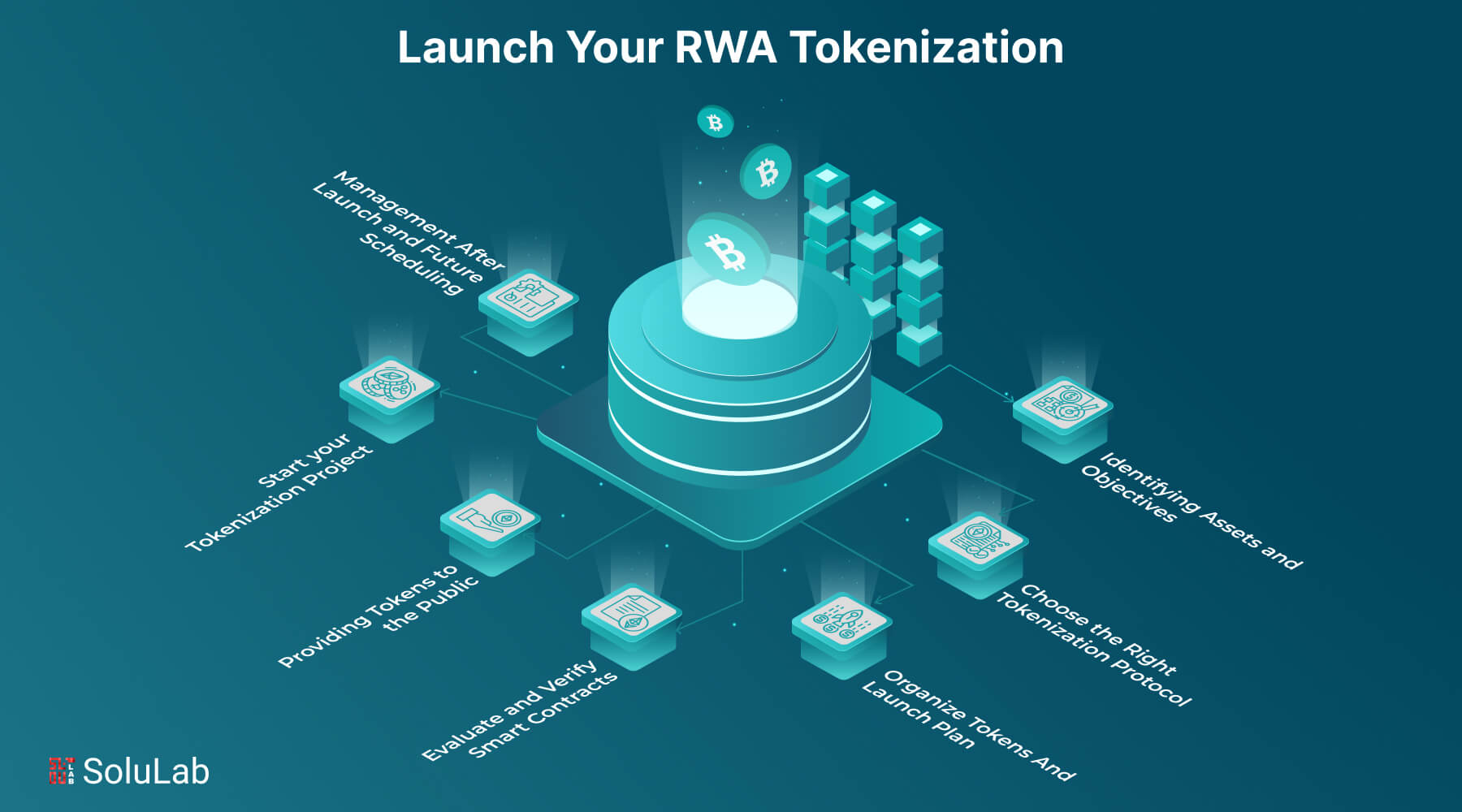
Polygon: Pros: Ultra-low fees & Ethereum compatibility for scalable RWA fractional ownership. Cons: Relies on ETH security & potential L2 congestion.
Strategically, Cardone Capital’s L2 hunt points to Polygon or Avalanche subnets over Solana’s monolithic design. Yet Solana’s DeFi TVL, north of $5 billion, screams liquidity magnet. Pair that with Cardone’s Bitcoin hoard, and wrapped BTC on Solana via Wormhole could supercharge yields. Avalanche subnets might appeal for dedicated governance, voting tokenized shares via on-chain DAOs. Polygon? It’s the safe aggregator play, siphoning Ethereum whales into multifamily fractions.
Risks and Regulatory Realities
No free lunch here. Solana’s outage history, though fading, spooks risk-averse funds. Avalanche demands dev heft for custom subnets, hiking upfront costs. Polygon risks Ethereum congestion bleed, despite zk shields. Regulators loom large: SEC scrutiny on tokenized securities could favor Avalanche’s compliant setups. Cardone’s track record, blending 20% and IRR multifamily returns with BTC volatility, positions him to navigate this. Expect pilots in compliant jurisdictions first, scaling as clarity emerges.
For RWA investors, this trio offers a spectrum. Solana for aggressive traders chasing 24/7 flips. Avalanche for institutions building vaults. Polygon for diversified portfolios knitting chains together. Cardone’s tokenization odyssey could mint the first $5 billion RWA unicorn, reshaping how we own dirt in the digital age.
Watch for Cardone’s L2 announcement; it could ignite a chain rally. With SOL at $83.72 holding firm despite the dip, momentum builds. Tokenized real estate isn’t coming, it’s here, and Cardone’s charging ahead.
About the Author