

In the evolving landscape of real estate investment, platforms like RealT and Lofty AI are redefining access to Detroit rental yields tokenized through blockchain. These innovators offer fractional ownership in rental properties, promising 8-12% yields with entry points as low as $50. Investors worldwide now collect daily rental income from U. S. homes, primarily in Detroit, blending the stability of real estate with cryptocurrency's liquidity. Yet, this frontier carries hurdles, from regulatory scrutiny to property management woes, demanding a measured approach from would-be participants.

Detroit's affordable housing stock has long attracted value-driven investors. Its post-industrial revival, coupled with steady population growth in select areas, positions it as fertile ground for tokenized residential real estate. RealT and Lofty AI capitalize on this by converting physical assets into digital tokens, enabling global participation without the burdens of full ownership.
RealT's Bold Entry into Tokenized Rental Ownership
Founded in 2019, RealT pioneered RealT tokenized properties by focusing on Detroit's undervalued rentals. The platform has since tokenized over 700 U. S. properties, with a heavy emphasis on the Motor City. Each token represents a share of a specific home, entitling holders to proportional rental income paid out daily via stablecoins. This model democratizes investing, allowing small stakes to generate passive returns in the 8-12% yield property tokens range.
RealT's strategy leverages smart contracts on Ethereum and Gnosis Chain for transparent distributions. Investors appreciate the liquidity; tokens trade on secondary markets, unlike illiquid REITs. A typical Detroit property might rent for steady cash flow, bolstered by the city's rental demand from young professionals and remote workers. However, scale brings complexity. RealT's rapid acquisition of hundreds of homes has spotlighted operational strains.
Tokenization turns illiquid assets into tradable securities, but execution matters as much as innovation.
The allure is clear: imagine owning a slice of a duplex yielding 10% annually, with rents wired to your wallet every 24 hours. RealT's early adopters have touted this seamless experience, drawing millions in capital. Yet, whispers of overpromising persist amid Detroit's gritty realities.

Lofty AI Emerges as a Refined Contender
Enter Lofty AI, a platform harnessing the Algorand blockchain for Lofty AI real estate tokens and Algorand real estate tokenization. With nearly 250 properties and $37.6 million in total value locked as of September 2024, Lofty emphasizes precision. Its properties span U. S. markets, including Detroit, offering similar fractional shares and daily payouts through automated smart contracts.
Lofty distinguishes itself with user-friendly interfaces and governance features, letting token holders vote on key decisions like repairs or tenant selections. This community-driven model fosters accountability, contrasting with more centralized approaches. Yields hover in the coveted 8-12% band, driven by vetted properties in high-demand locales. Algorand's low fees and speed enhance efficiency, making micro-investments viable without erosion from transaction costs.
| Platform | Properties Tokenized | TVL/Key Metric | Blockchain |
|---|---|---|---|
| RealT | Over 700 | Primarily Detroit focus | Ethereum/Gnosis |
| Lofty AI | Nearly 250 | $37.6M (Sep 2024) | Algorand |
Both platforms lower barriers, but Lofty's tech stack appeals to those prioritizing scalability and carbon-neutral operations. Detroit listings here benefit from rigorous due diligence, promising steadier performance.

Yield Potential Meets Operational Realities
The promise of 8-12% yield property tokens stems from Detroit's rental economics: low acquisition costs paired with rents covering 1.2-1.5x expenses. Tokenization amplifies this by pooling small investments into diversified exposure. Daily compounding via crypto payouts adds a modern twist, outpacing quarterly REIT dividends.
Consider a $1,000 stake in a RealT Detroit home: at 10% yield, that's $100 annually, or about $0.27 daily. Lofty mirrors this with added liquidity pools for quick exits. Such mechanics attract yield hunters weary of volatile crypto or stagnant bonds. For more on practical returns, explore our case study on real-world rental returns from tokenized properties.
Still, high yields signal risks. Detroit's aging infrastructure demands ongoing capex, and vacancy rates can spike. Platforms must navigate tenant turnover and maintenance seamlessly to sustain payouts.
RealT's expansion has not been without turbulence. The City of Detroit has pursued legal action against the platform for public nuisance violations across over 400 properties, citing issues like poor maintenance, unpaid taxes, and misleading investor disclosures on occupancy and conditions. Reports highlight cases where tokens were sold for homes RealT didn't fully control, raising questions about transparency in RealT tokenized properties. While the company maintains payouts through reserves, these developments underscore the gap between tokenized promise and on-the-ground execution.
Lofty AI's Approach to Mitigating Pitfalls
Lofty AI positions itself as a more measured player in Detroit rental yields tokenized. By tokenizing nearly 250 properties with a $37.6 million TVL as of September 2024, it prioritizes vetted assets and decentralized governance. Token holders influence property decisions, potentially curbing the mismanagement seen elsewhere. Algorand's efficient blockchain supports this with negligible fees, ensuring more yield reaches investors. Lofty's focus on diversified U. S. markets, including Detroit, tempers location-specific risks while delivering comparable 8-12% yields.
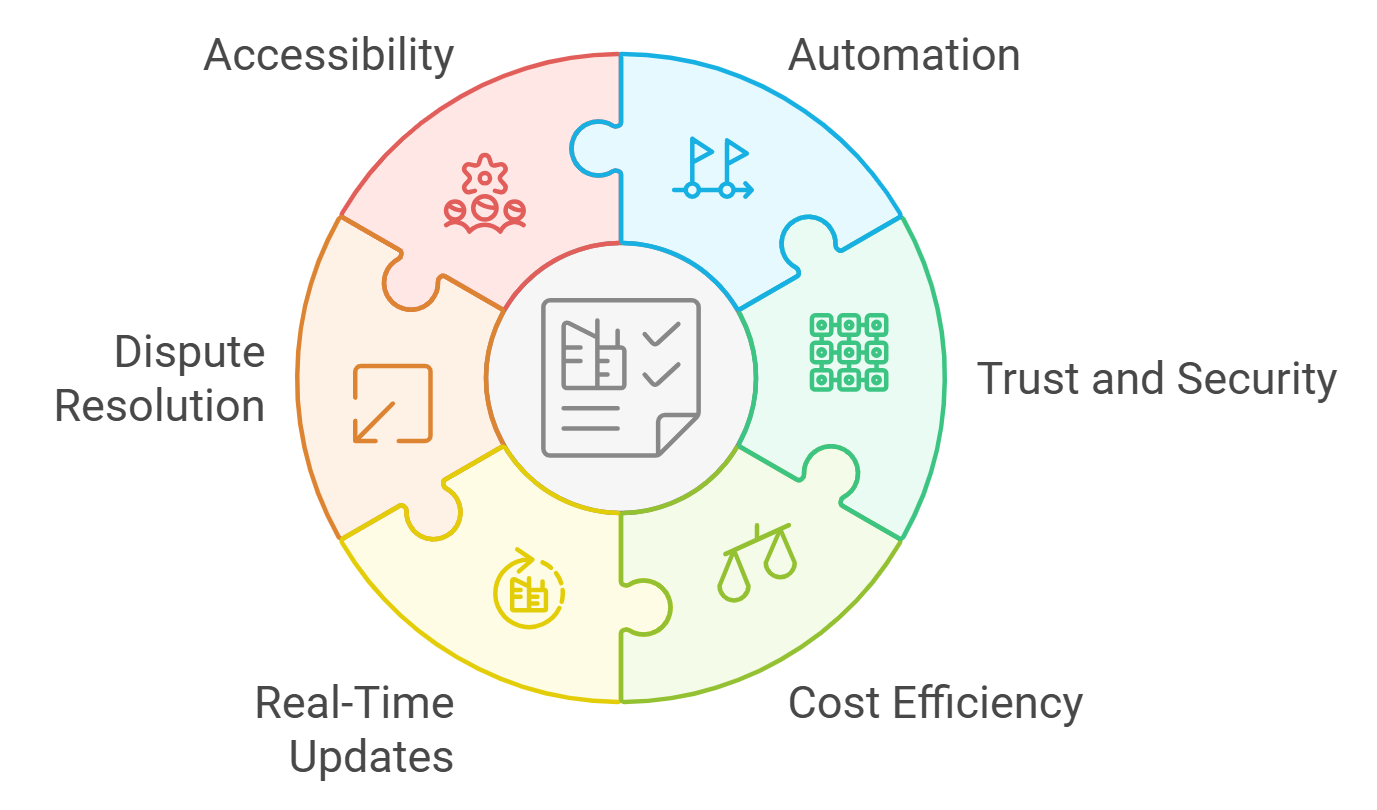
Investors drawn to Lofty AI real estate tokens value the platform's emphasis on compliance and smart contract audits. Daily rent distributions via stablecoins provide visibility into cash flows, unlike opaque traditional rentals. Yet, even here, broader challenges loom: fluctuating interest rates could pressure cap rates, and blockchain interoperability remains nascent for seamless token trades.
| Risk Factor | RealT Exposure | Lofty Mitigation |
|---|---|---|
| Property Management | Legal suits over 400 and Detroit homes | Governance voting by token holders |
| Regulatory Scrutiny | City requests for receivership | Compliance-focused Algorand ecosystem |
| Liquidity and Transparency | Secondary market variability | Automated daily payouts and audits |
This comparison reveals why discerning investors blend platforms. RealT offers scale and Detroit depth, but Lofty's structure suits those wary of headlines. Both advance tokenized residential real estate, yet success hinges on robust operations amid urban revitalization's uneven pace.
Tokenization amplifies real estate's virtues and vices; due diligence separates winners from cautionary tales.
Detroit's renaissance fuels optimism. Neighborhoods like Midtown see rents climb 5-7% yearly, supporting 8-12% yield property tokens. Platforms automate what landlords dread: collections, repairs, evictions. Global capital flows in, stabilizing local markets strained by legacy issues. For portfolios, these assets diversify beyond stocks or crypto, anchoring returns with tangible collateral.
Getting started demands homework. Review property audits, yield histories, and legal filings. Start small, perhaps $500 across multiple tokens, to test waters. Monitor Detroit's policy shifts; receivership bids signal evolving oversight. Platforms like these thrive when investors treat them as hybrids: real estate discipline meets blockchain agility.
Key Considerations for Tokenized Investments
Algorand real estate tokenization via Lofty exemplifies efficiency, but volatility in crypto markets can indirectly sway token values. Stablecoin payouts buffer this, yet redemption processes vary. Tax implications add layers; fractional ownership may trigger K-1 forms or crypto reporting. Consult advisors to align with your risk tolerance.
Ultimately, RealT and Lofty AI spotlight tokenization's dual edge. They unlock Detroit rental yields tokenized for the masses, but Detroit's complexities test their mettle. Portfolios blending these with traditional assets stand resilient, capturing innovation without excess exposure. As the sector matures, expect refined models prioritizing sustainability over speed.
Weight yields against realities, and these platforms could anchor your strategy in the tokenized era.




No comments yet. Be the first to share your thoughts!