
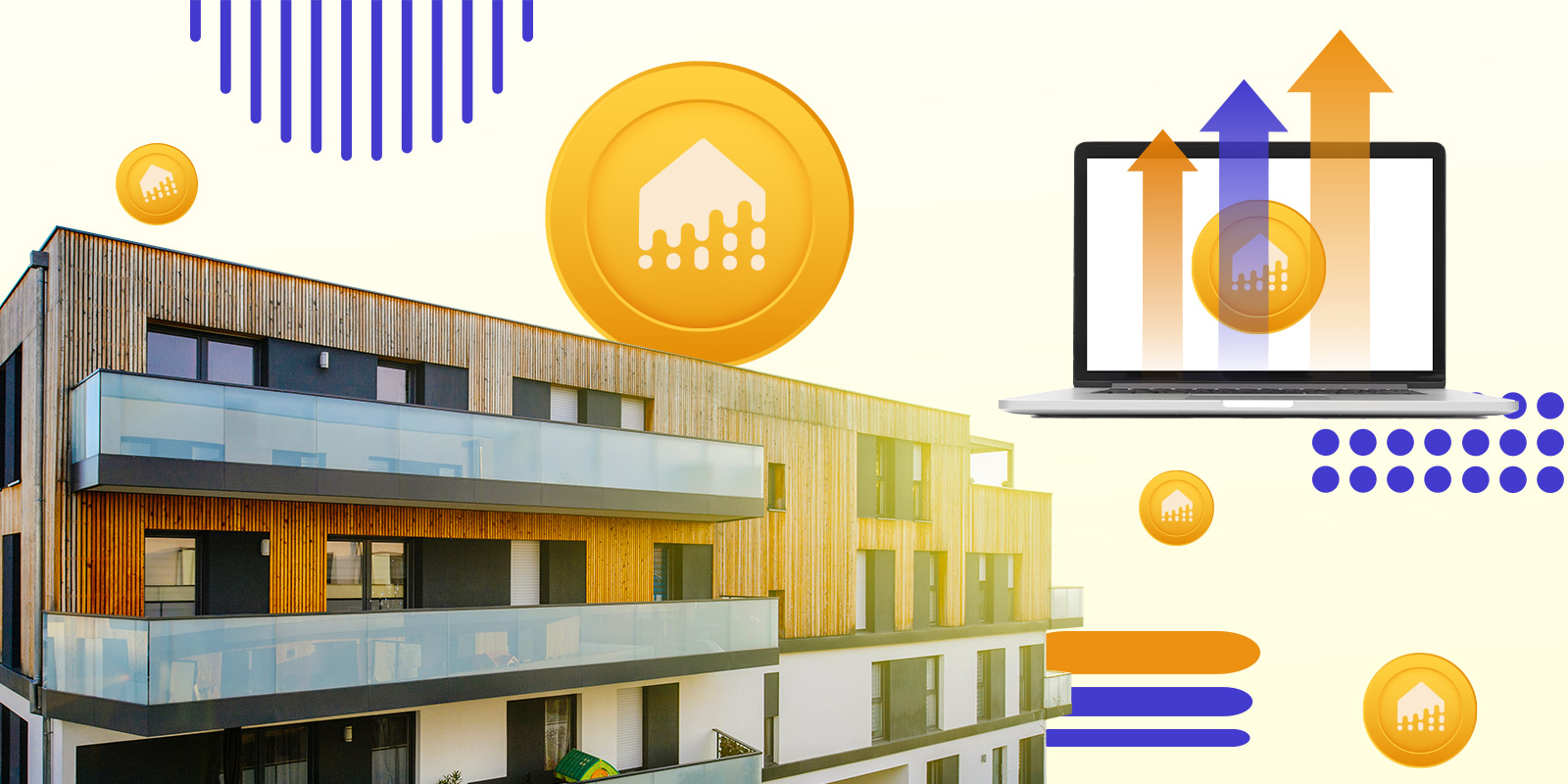
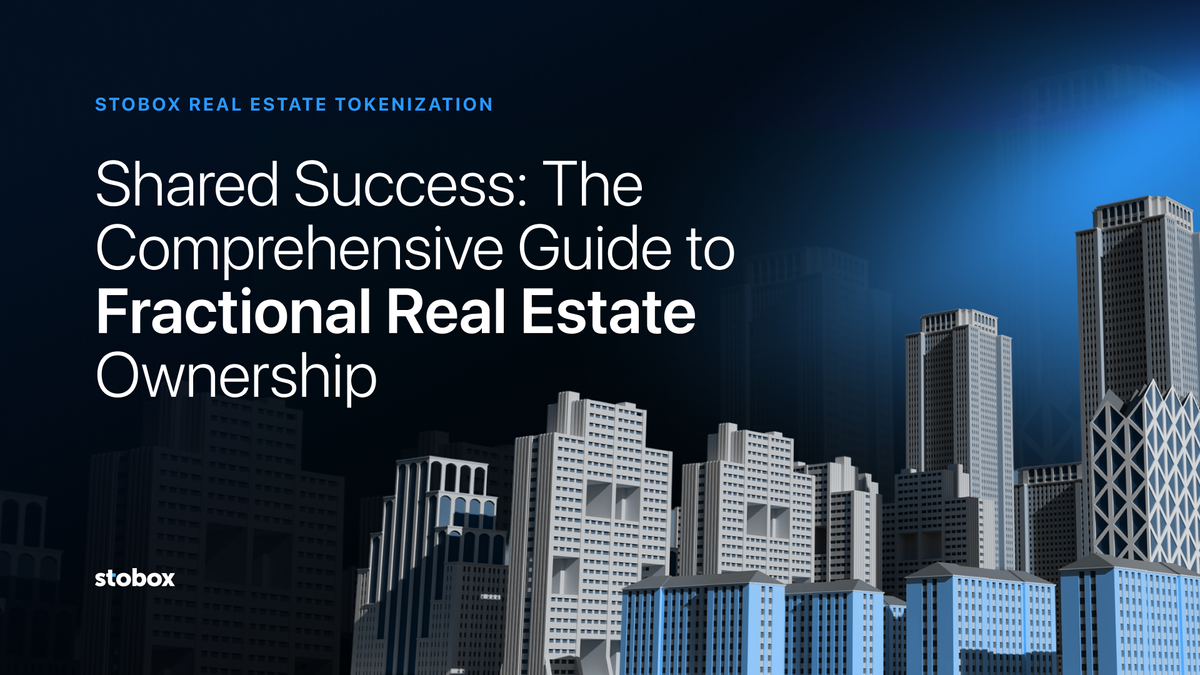
Fractional real estate tokens are rewriting the rules of property investment. No longer do you need deep pockets or a Rolodex of industry contacts to own a piece of prime real estate. Thanks to blockchain-powered tokenization, you can now invest in property tokens and unlock access to income-generating assets with as little as $50. This step-by-step guide will show you how to get started in the world of blockchain real estate investing, even if you’re a complete beginner.

What Are Fractional Real Estate Tokens?
Imagine owning a slice of a Miami rental property or a commercial building in London, all from your smartphone. Fractional real estate tokens represent digital shares of a physical property. Each token is securely recorded on the blockchain, giving you transparent proof of ownership, a share of rental income, and exposure to any appreciation in property value.
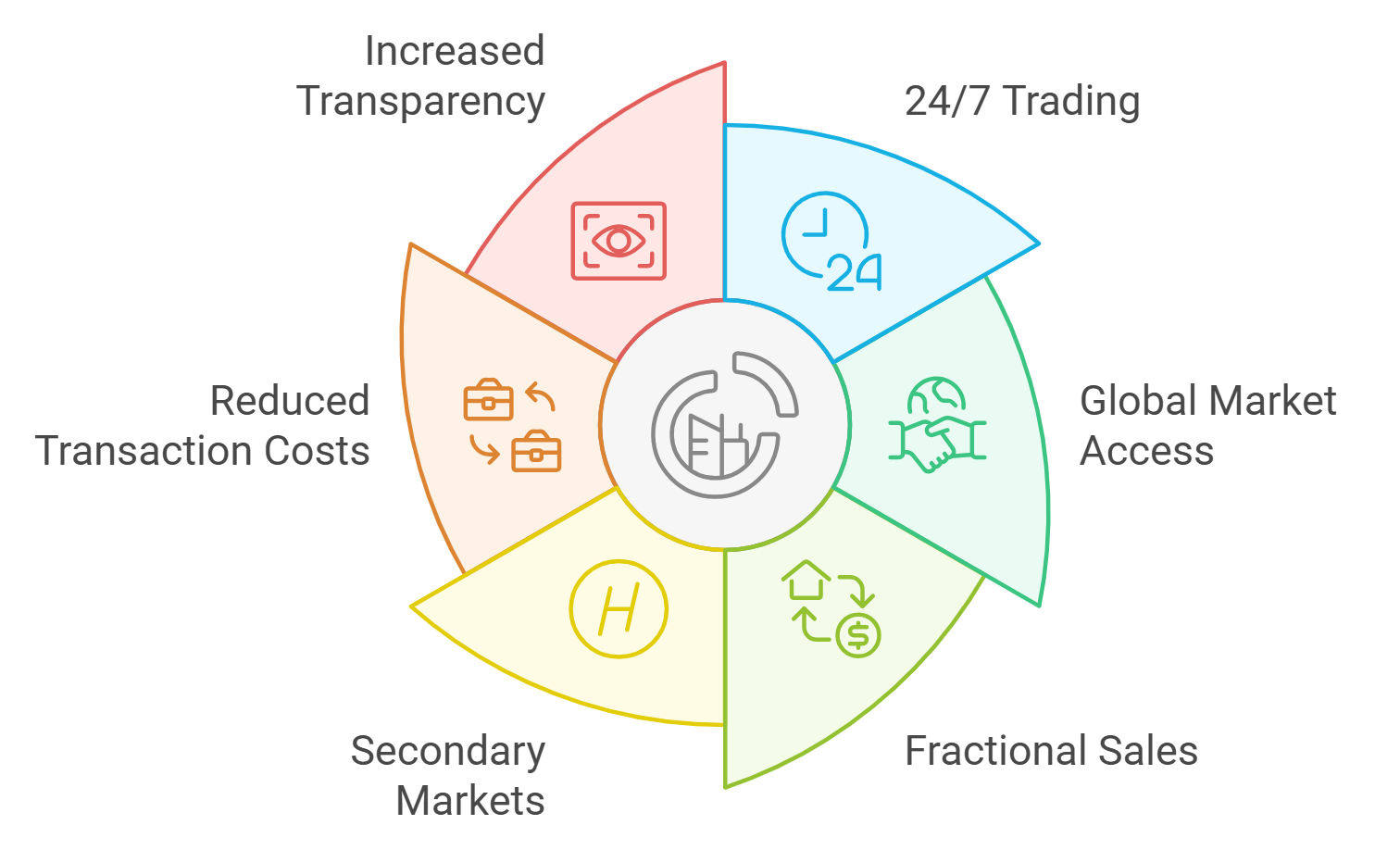
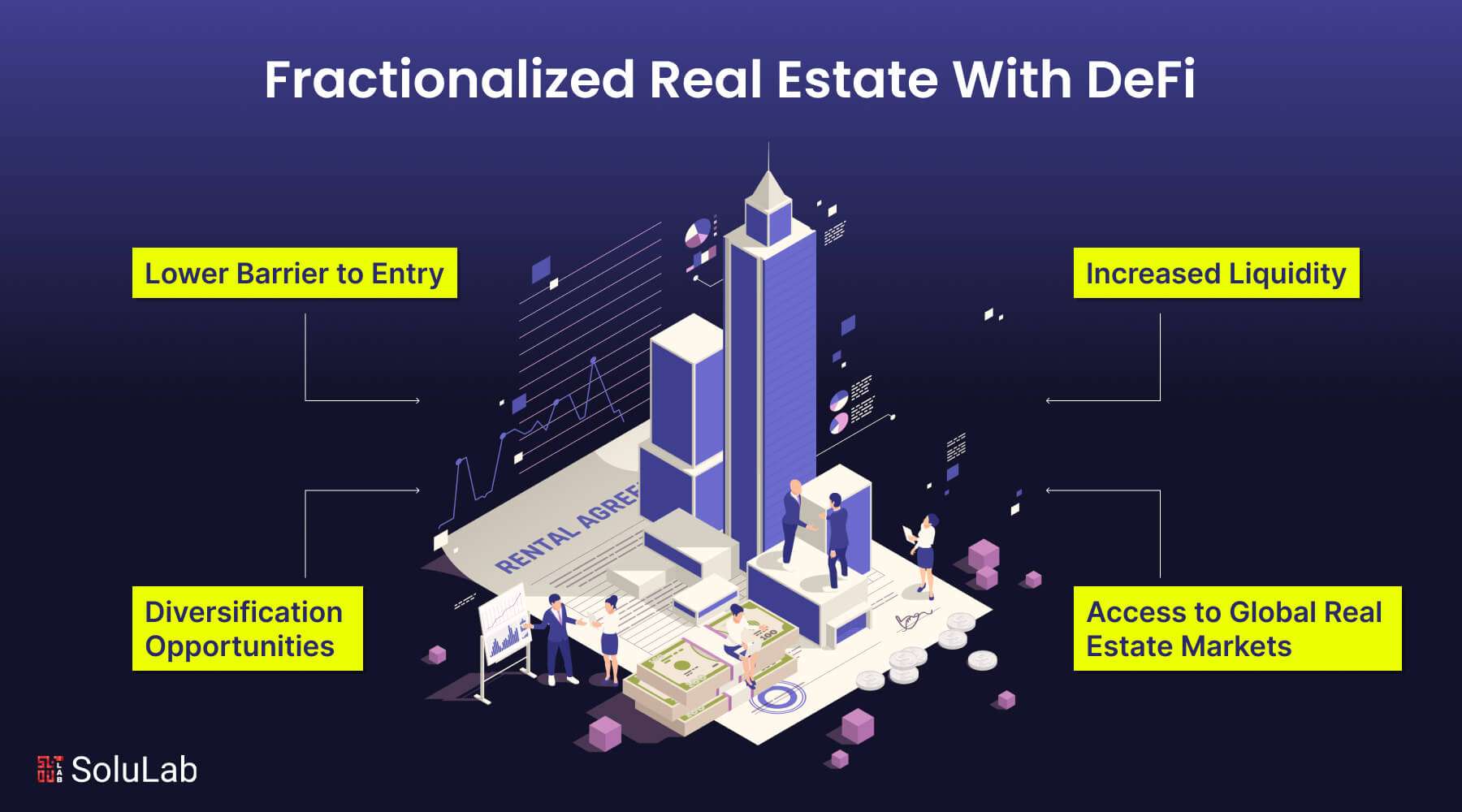
This new investment model is gaining traction because it offers:
- Lower entry barriers: Buy into properties with modest amounts of capital
- Enhanced liquidity: Trade your tokens on secondary markets, unlike traditional real estate
- Global access: Diversify across international markets without leaving home
- Transparency: Blockchain records ensure clear, immutable ownership
Curious about how fractional ownership is changing the game? Dive deeper in our guide: How Fractional Ownership and Tokenization Are Making Global Real Estate Accessible to Small Investors.
Step 1: Research and Understand the Market
Before you buy your first token, it’s essential to understand both the technology and the risks. Tokenization leverages blockchain to split property value into digital tokens, making real estate investment more accessible and liquid. But like any asset, property tokens are subject to market fluctuations, regulatory shifts, and platform-specific risks.
Top Risks & Rewards of Fractional Real Estate Tokens
- Lower Investment Barriers: Fractional tokens let you invest in real estate with as little as $50 on platforms like RealT, making property ownership accessible to more people.
- Enhanced Liquidity: Unlike traditional real estate, some platforms (like Lofty.ai) offer secondary markets, letting you buy and sell property tokens for quicker access to cash.

- Transparent & Immutable Ownership Records: Blockchain technology ensures that every transaction and ownership record is securely stored and publicly verifiable, reducing fraud and disputes.
- Potential for Passive Income: Investors can earn a share of rental income and property appreciation, with platforms like Proptee offering weekly distributions.

- Market Volatility & Price Fluctuations: Token prices can be affected by both real estate market trends and cryptocurrency volatility, leading to unpredictable returns.
- Regulatory Uncertainty: Laws governing tokenized real estate vary by country and may change, affecting your rights or the platform's operations. Always check local regulations before investing.
- Platform & Security Risks: Your investment relies on the platform's security and solvency. Hacks, technical failures, or company shutdowns could put your funds at risk.
- Limited Control Over Property Decisions: As a fractional owner, you typically have little say in property management or sale decisions, which are handled by the platform or property manager.
Spend some time reading up on the basics of property tokenization, including how smart contracts work, what legal protections are in place, and the typical returns (rental income, appreciation) you might expect. A well-informed investor is a confident investor.
Step 2: Choose a Reputable Platform
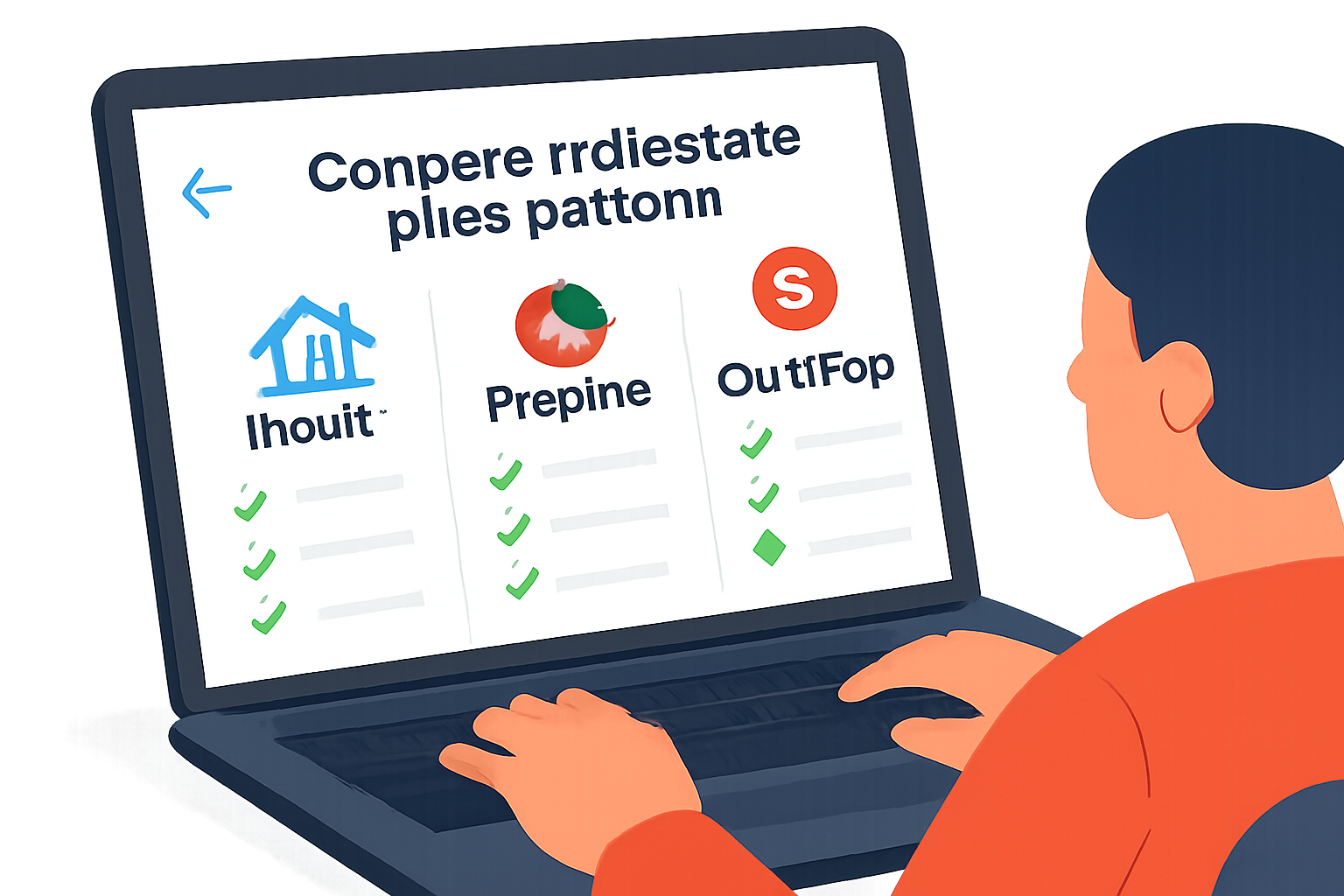
Your next move is selecting the right marketplace for your investment journey. Not all platforms are created equal. Some focus on U. S. residential properties, others on European rentals or commercial assets. Consider these factors:
- Security: Does the platform use robust encryption and secure wallets?
- Property selection: Are there diverse, high-quality listings?
- Fees: What are the transaction and management costs?
- User experience: Is the interface intuitive for beginners?
- Liquidity: Can you easily buy or sell your tokens on a secondary market?
Some of the most popular platforms include RealT (U. S. residential), Proptee (European rentals), and OwnProp (iconic global properties). Each has its own strengths, minimum investment requirements, and payout schedules.
Step 3: Create Your Account and Complete Verification
Once you’ve chosen your platform, it’s time to register. Be prepared for a quick but thorough onboarding process. You’ll need to provide personal information and documents for KYC (Know Your Customer) and AML (Anti-Money Laundering) compliance. This step protects both you and the platform from fraud and regulatory headaches.
After your account is verified, you’re ready to browse available properties and start building your digital real estate portfolio.
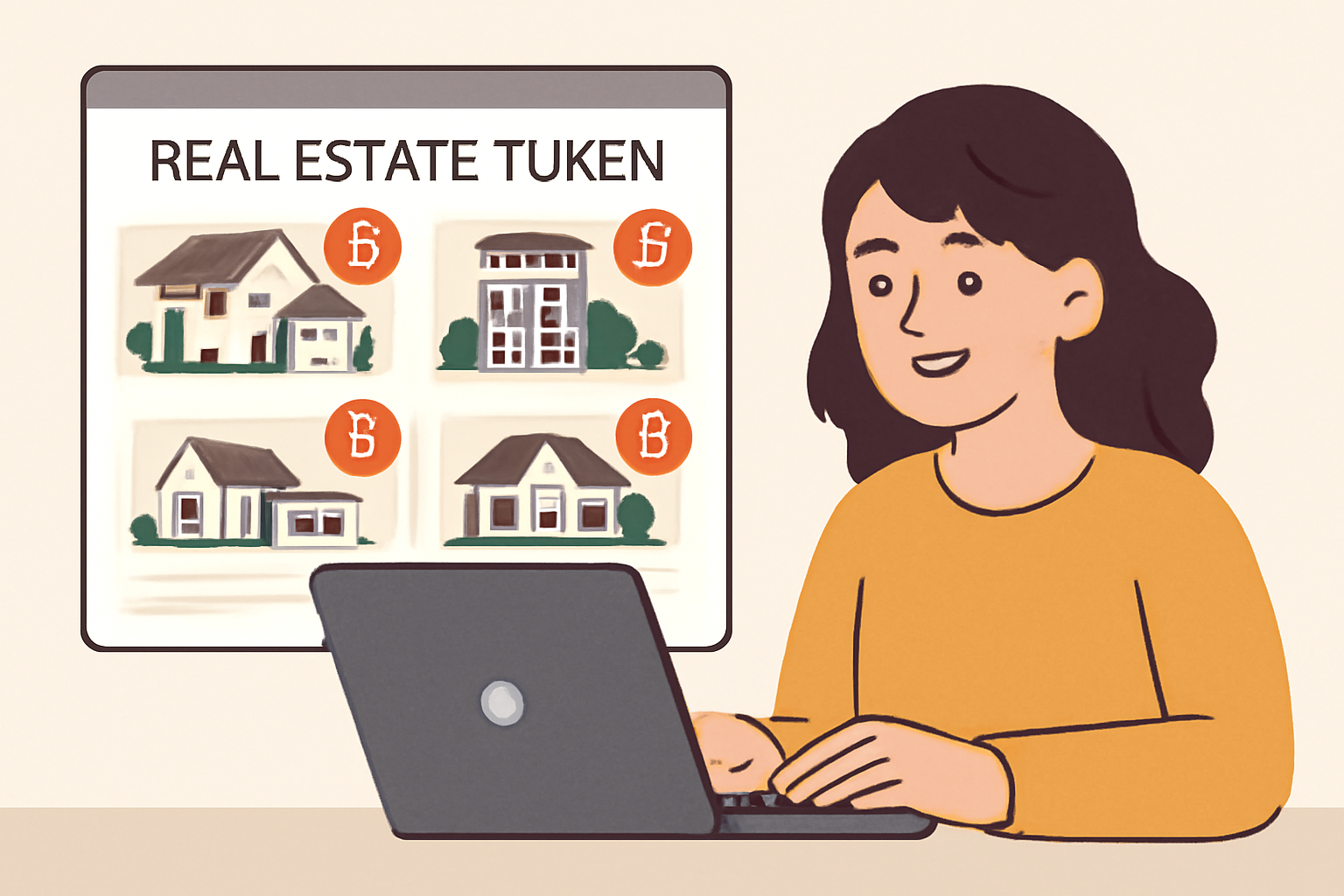
How to Set Up Your Account & Complete KYC on a Property Token Platform
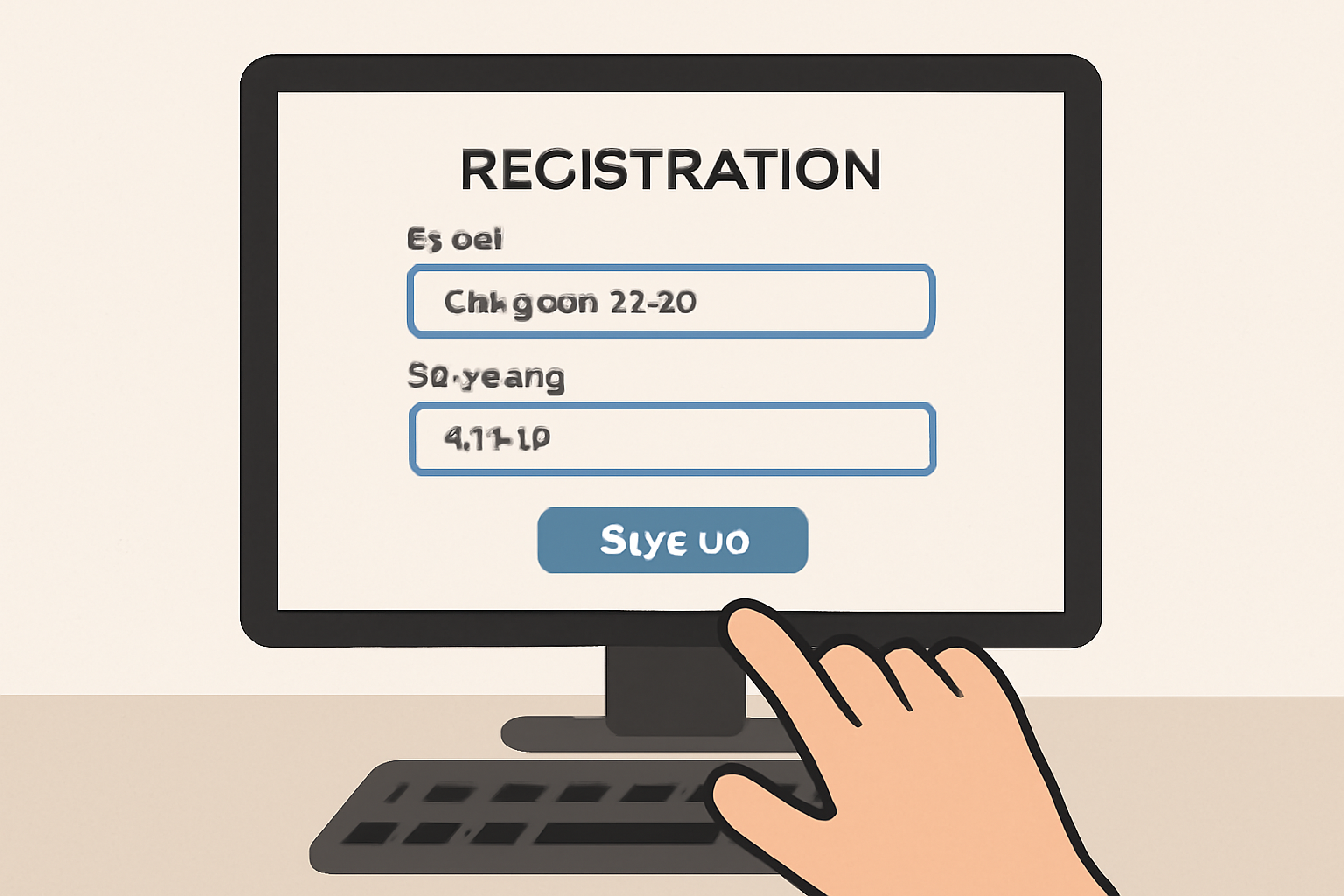
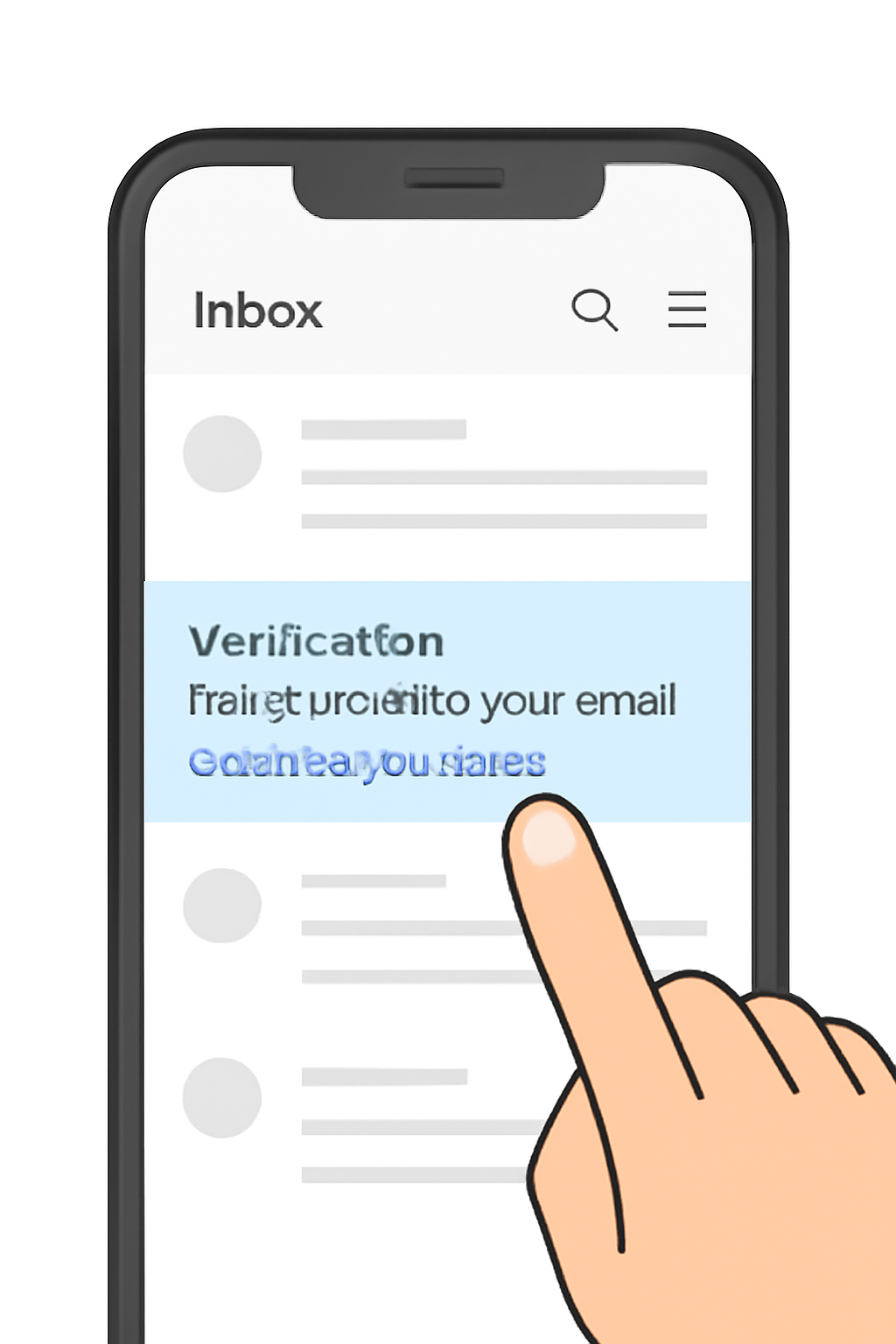
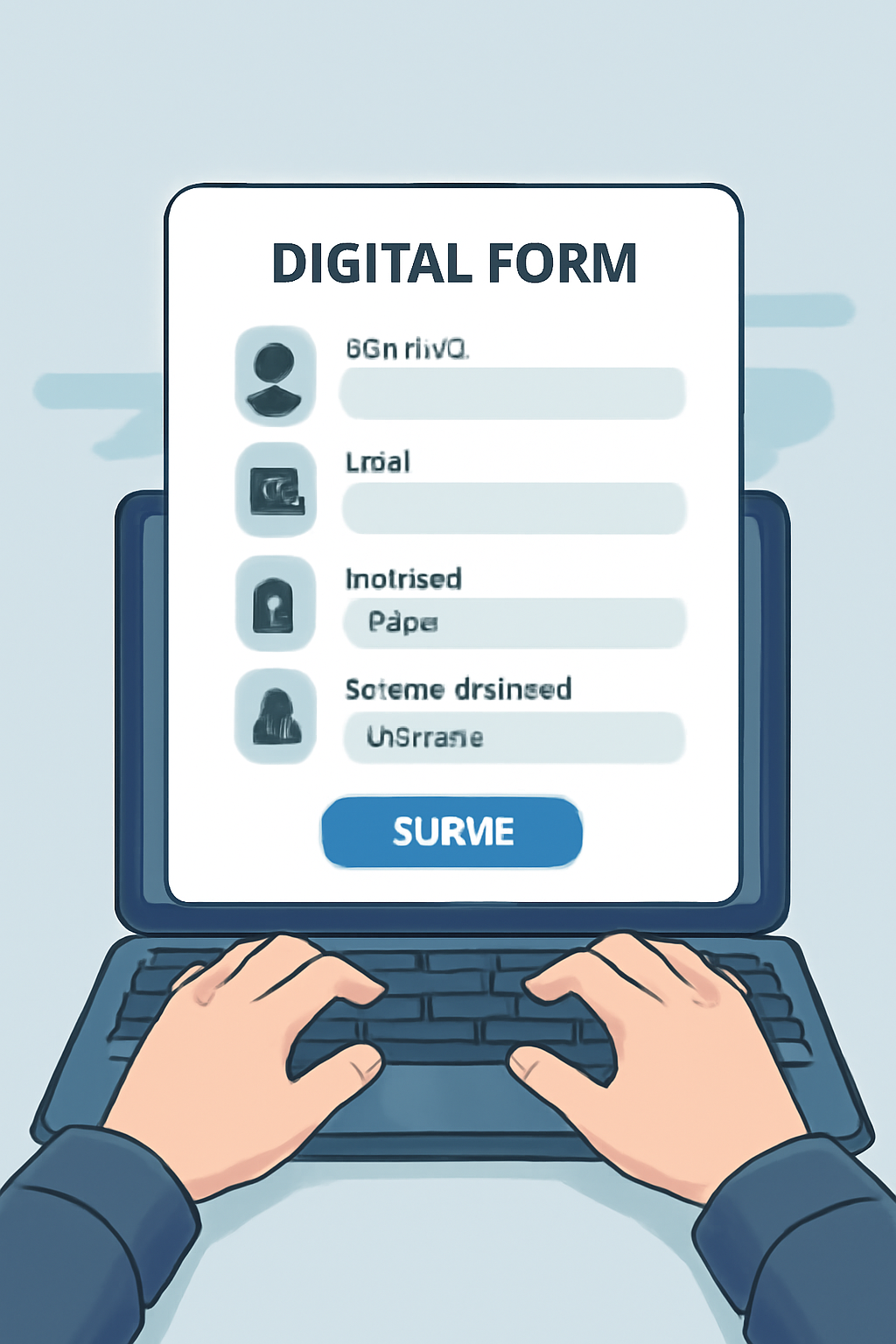
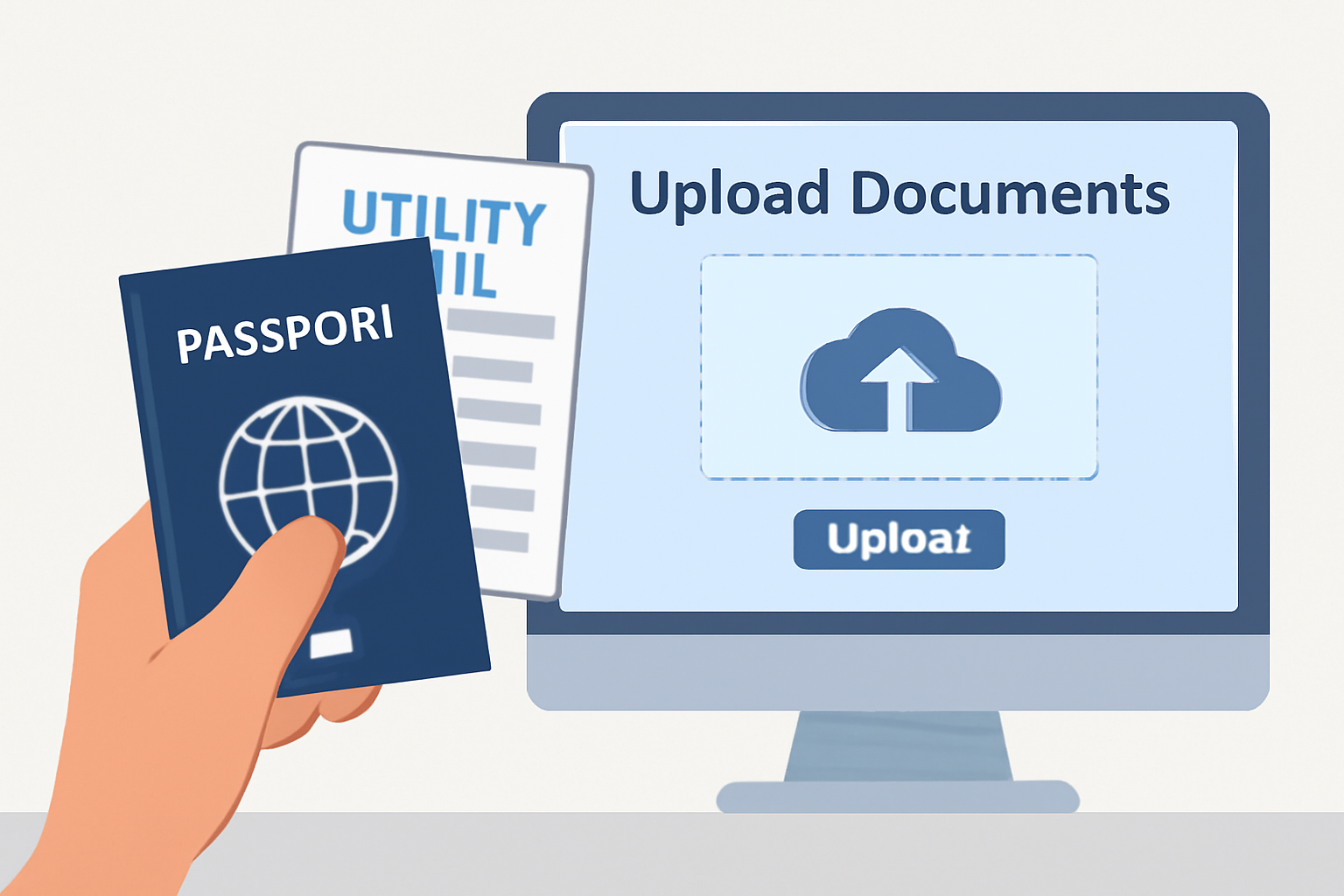

In the next section, we’ll walk through exploring listings, making your first investment, and what to watch for as you build your portfolio of fractional real estate tokens.
Step 4: Explore Properties and Analyze Listings
Now comes the exciting part: browsing real estate opportunities from around the world. Platforms will showcase a curated selection of properties, each with its own digital profile. Dive into these listings, examine location, property type, expected rental yield, occupancy rates, and management details. Many platforms provide interactive dashboards and downloadable documents to help you compare options side by side.
If you’re new to investing in property tokens, look for properties with detailed financial projections and transparent reporting. Don’t be afraid to reach out to the platform’s support or community forums if something isn’t clear. Remember: the more you know about your chosen asset, the more confident your investment decisions will be.
Step 5: Buy Your First Real Estate Tokens
Ready to take the plunge? Decide how much capital you want to allocate, remember, minimums can be as low as $50 on some platforms. Once you’ve selected a property, enter your investment amount and follow the prompts to purchase tokens. Payment options often include both fiat currency (USD, EUR) and popular cryptocurrencies like USDC or ETH.
Your tokens are typically delivered directly to your platform wallet or a connected digital wallet. These tokens represent your proportional ownership in the property, entitling you to receive rental income distributions and benefit from any appreciation in value.
Step 6: Track Performance and Manage Your Portfolio
After investing, use the platform’s dashboard to monitor your portfolio’s health in real time. You’ll see updates on rental income payouts (often weekly or monthly), property management news, and any shifts in estimated property value. Many platforms offer downloadable statements for tax reporting and performance tracking.
Want liquidity? Some platforms feature integrated secondary markets where you can sell your tokens at market prices, giving you flexibility rarely seen in traditional real estate investing. Platforms like Lofty. ai have pioneered this approach, making it easier than ever to adjust your holdings as market conditions change.
Legal and Tax Essentials for Fractional Property Investors
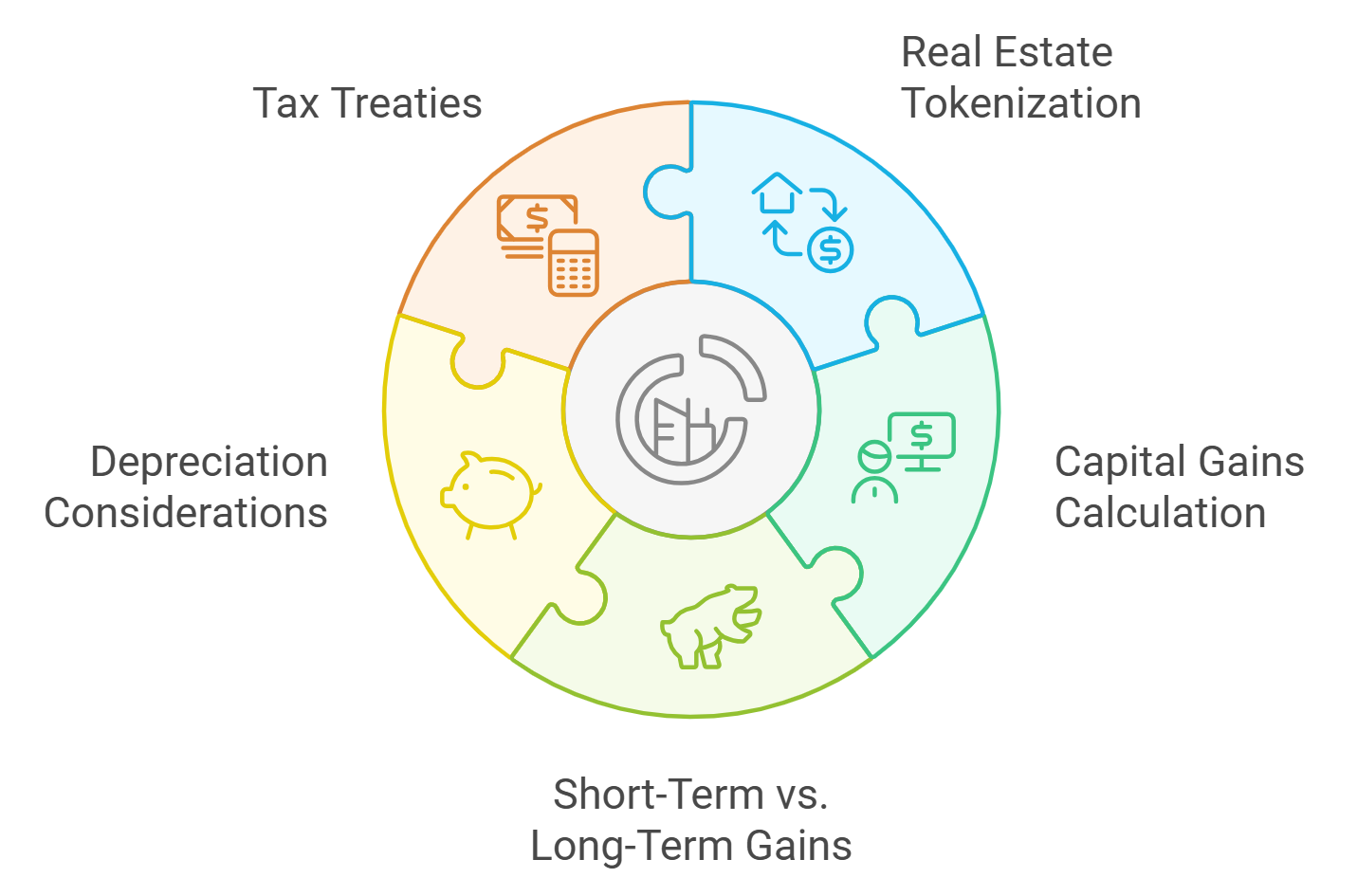
Before scaling up your investments, take time to understand local regulations around blockchain real estate investing. Tax treatment varies by country, some treat rental income as ordinary earnings; others may classify token sales as capital gains. Always consult a tax advisor familiar with crypto assets before filing returns.
Next Steps: Grow Your Knowledge and Stay Ahead
The landscape of property tokenization is evolving rapidly. Stay up-to-date by joining investor communities, following regulatory updates, and reading expert analysis on trends shaping global real estate access through blockchain. The more informed you are, the better positioned you'll be to spot new opportunities, and avoid common pitfalls.
If you're ready for deeper insights into how fractional ownership is transforming global property markets (and how small investors can benefit), check out our comprehensive resource: How Fractional Real Estate Ownership via Tokenization Opens Global Markets to Small Investors.



No comments yet. Be the first to share your thoughts!