
Get tokenized real estate 2026 right
Use this section to make the Tokenized Real Estate decision easier to compare in real life, not just on paper. Start with the reader's actual constraint, then separate must-have requirements from details that are merely nice to have. A practical choice should survive normal use, maintenance, timing, and budget. If a recommendation only works in an ideal situation, call that out plainly and give the reader a fallback path.
The simplest way to use this section is to write down the must-have criteria first, then compare each option against those criteria before weighing nice-to-have features.
Work through the steps
Tokenized real estate is no longer a speculative experiment. With institutional adoption accelerating and AI-driven valuation models becoming standard, the barrier to entry has dropped significantly. However, the process of buying fractional property rights requires a specific workflow that differs from traditional brokerage.
Follow this sequence to navigate tokenized real estate platforms safely and effectively. Each step addresses a critical checkpoint in the lifecycle of a tokenized investment.
Before exploring any platform, confirm your eligibility. Many tokenized real estate offerings are restricted to accredited investors under SEC regulations, particularly those involving higher-yield commercial properties. Platforms like RealT or Propy require identity verification (KYC) and, in some cases, proof of income or net worth. If you are a non-accredited investor, look for platforms that have leveraged Regulation A+ or Regulation Crowdfunding exemptions to offer fractional shares to a broader audience.
Not all tokenization platforms are created equal. Prioritize platforms that are registered with financial authorities or operate under clear legal frameworks. Look for platforms that provide transparent legal structures, such as Special Purpose Vehicles (SPVs) that hold the actual property deed. Avoid platforms that lack clear disclosures about how tokens are backed by real-world assets. In 2026, regulatory compliance is the primary indicator of platform longevity.
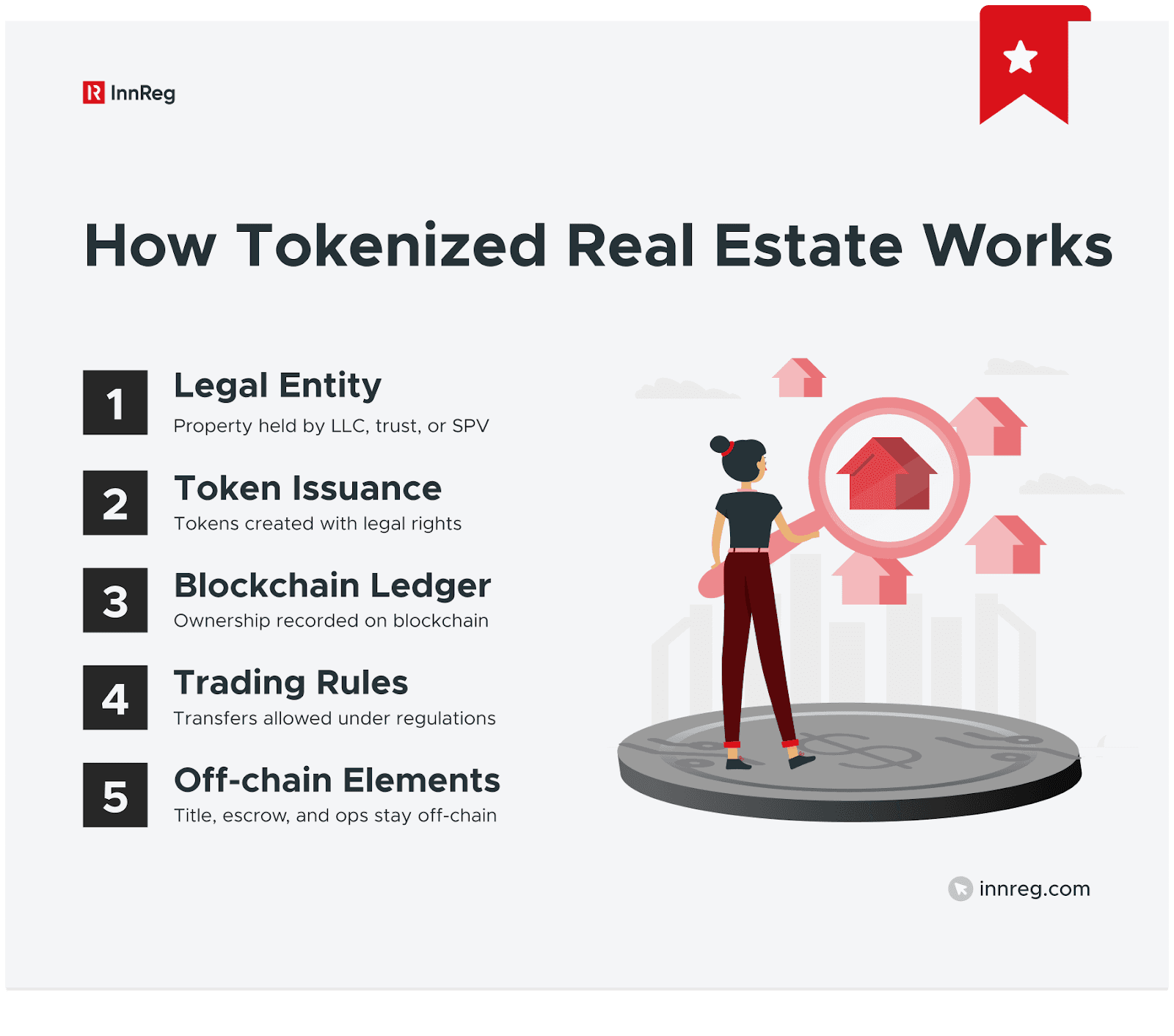
Modern platforms use AI to provide dynamic valuations and predictive cash flow models. Do not rely solely on the platform’s projected returns. Cross-reference the AI-generated data with local market trends, vacancy rates, and rental growth forecasts. Pay attention to the underlying assumptions in the valuation model. If the platform does not explain how its AI model accounts for market volatility, treat the projections as illustrative rather than guaranteed.
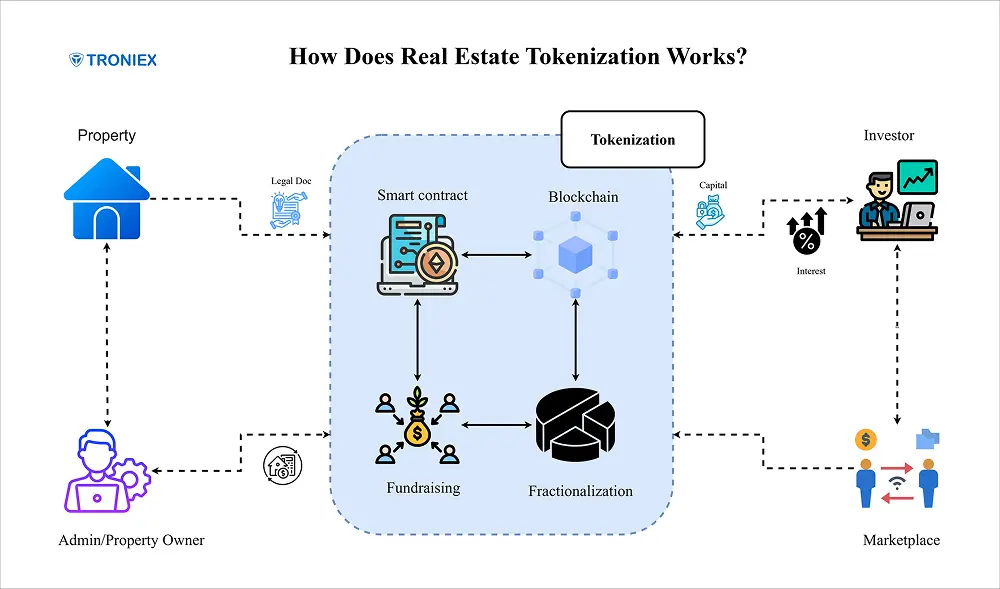
Most platforms accept cryptocurrency (USDC, ETH) and traditional bank transfers. Ensure you understand the transaction fees, including gas fees for blockchain transactions and platform service charges. Once funded, browse available properties. When you find a suitable asset, review the token contract details, including dividend distribution schedules and exit mechanisms. Execute the purchase on the platform’s interface. The tokens will appear in your connected digital wallet or the platform’s custodial account.
Tokenized real estate is not a set-and-forget investment. Regularly review your dashboard for dividend payments, which are typically distributed monthly or quarterly. Use the platform’s analytics tools to track property performance against market benchmarks. If you wish to exit, check the platform’s secondary market liquidity options. Some platforms allow you to sell tokens to other investors, while others may require you to wait for a property sale or refinancing event.
After completing these steps, use the following checklist to ensure you have covered all bases before finalizing your investment.
-
Verified accreditation status or eligible investor category
-
Confirmed platform regulatory compliance and legal structure
-
Cross-referenced AI valuation data with independent market sources
-
Understood all transaction fees and tax implications
-
Reviewed exit liquidity options and secondary market terms
-
Connected a secure digital wallet or funding source
Fix common mistakes in tokenized real estate investing
Tokenized real estate offers fractional ownership and instant liquidity, but the barrier to entry is lower than it appears. Many investors treat property tokens like standard equities, ignoring the underlying asset’s physical and legal realities. This mismatch causes poor outcomes.
The three most common errors involve valuation, liquidity, and regulatory compliance. Avoiding them requires a specific checklist before funding any deal.
Mistake 1: Blindly trusting AI valuations
AI-driven valuation models are becoming standard in 2026, but they are not infallible. These tools rely on historical data and algorithmic patterns. They often miss hyper-local factors like pending zoning changes, neighborhood decay, or unique structural issues.
The Fix: Treat AI valuations as a starting point, not a final answer. Always cross-reference the AI’s output with independent appraisals and local market reports. If the AI suggests a property is undervalued by 20%, verify if it accounts for recent interest rate hikes in that specific municipality.
Mistake 2: Overestimating liquidity
Marketing materials often highlight "instant trading" as a core benefit. While secondary markets exist, they are not as liquid as stock exchanges. During market stress, bid-ask spreads can widen significantly. You may not find a buyer immediately, even if the platform lists a "market" for your token.
The Fix: Assume a 30-90 day holding period for exit. Never allocate capital you need for short-term expenses. Check the platform’s historical trading volume for similar assets. Low volume means low liquidity, regardless of what the dashboard says.
Mistake 3: Ignoring regulatory structure
Tokenized real estate sits at the intersection of securities law and property law. If the token is not properly registered or structured as a security, your ownership rights may be unenforceable. Some platforms operate in gray areas, leaving investors with digital claims that lack legal teeth.
The Fix: Verify the legal wrapper. Is the token backed by a real LLC or trust? Ensure the platform is compliant with local securities regulations (such as SEC rules in the US). If the legal documentation is vague or missing, walk away. Your digital token is only as good as the legal entity holding the deed.
Tokenized real estate 2026: what to check next
Investors are navigating a rapid shift in how property ownership is structured. With real-world asset (RWA) tokenization growing from $5.5 billion in early 2025 to $29.2 billion by April 2026, understanding the mechanics and risks is essential before allocating capital.
No comments yet. Be the first to share your thoughts!