
Real world assets 2026: The current state of tokenization
In 2026, real-world asset (RWA) tokenization has moved beyond experimental pilots into a structured market. Tokenized RWAs represent traditional financial instruments—such as stocks, Treasuries, commodities, and bonds—digitally on blockchain networks. This process aims to increase liquidity and streamline settlement, yet the market has consolidated around a single institutional-ready asset class.
The market hit approximately $60 billion in total value across more than 7,000 products this year. Despite this volume, the distribution is uneven. Tokenized U.S. Treasuries dominate the landscape, accounting for the majority of institutional adoption and regulatory compliance frameworks. Other asset classes, like private credit or real estate, remain fragmented due to varying legal jurisdictions and lower liquidity.
This concentration creates a specific dynamic for investors. While the technology is proven, the "best performing" assets are not necessarily the most innovative ones. Instead, they are the most regulated, with Treasuries leading due to their standardized nature and clear legal backing. Understanding this hierarchy is essential for navigating the 2026 landscape, where compliance often outweighs novelty.
Real world assets 2026 choices that change the plan
Tokenized real-world assets (RWAs) have grown from a niche experiment to a $60 billion market across more than 7,000 products in 2026. However, this growth is heavily skewed. While total on-chain RWA value reached approximately $26.77 billion by March 2026, only one asset class—short-term U.S. Treasuries—has achieved true institutional readiness.
Investors and platforms must evaluate three distinct tradeoffs: regulatory clarity, liquidity depth, and asset class maturity. The following comparison breaks down these factors to help you determine which RWA models offer viable exposure in the current market.
| Asset Class | Regulatory Clarity | Liquidity Depth | Institutional Ready |
|---|---|---|---|
| US Treasuries | High (SEC/CFTC) | High (Institutional) | Yes |
| Private Credit | Medium (SEC Reg D) | Low (Secondary Markets Developing) | Medium |
| Real Estate | Low (Varies by State) | Very Low (Fragmented) | No |
| Commodities | Medium (CFTC) | Medium (Exchange-Linked) | Medium |
Treasuries dominate because they align with existing securities laws, allowing for straightforward custody and settlement. Private credit offers higher yields but suffers from illiquidity and complex legal structures that deter large-scale adoption. Real estate and commodities remain fragmented, with liquidity often tied to specific platforms rather than open markets.
The chart above tracks the iShares 20+ Year Treasury Bond ETF (TLT), a proxy for the underlying asset driving most RWA volume. As tokenized Treasuries gain traction, their performance will increasingly correlate with traditional bond markets, offering a bridge between on-chain yield and macroeconomic trends.
For 2026, the most prudent approach is to focus on asset classes with clear regulatory pathways and established secondary markets. Avoid platforms promising instant liquidity for illiquid assets like real estate unless they offer transparent, legally binding redemption mechanisms.
How to evaluate tokenized real estate opportunities
The 2026 RWA landscape has shifted from speculative experimentation to institutional-grade infrastructure. With tokenized assets crossing $60 billion across 7,000+ products, the market is no longer about finding novelty but identifying reliability. Real-world asset tokens are traditional financial instruments like stocks, Treasuries, commodities, and bonds, represented digitally on blockchains. For real estate, this means fractional ownership of physical properties, backed by legal structures that ensure clear title and compliant distribution of rental income.
To navigate this space, investors and developers should follow a structured evaluation framework. This approach prioritizes regulatory clarity and liquidity over hype, ensuring that tokenized real estate serves as a practical liquidity tool rather than a speculative vehicle.
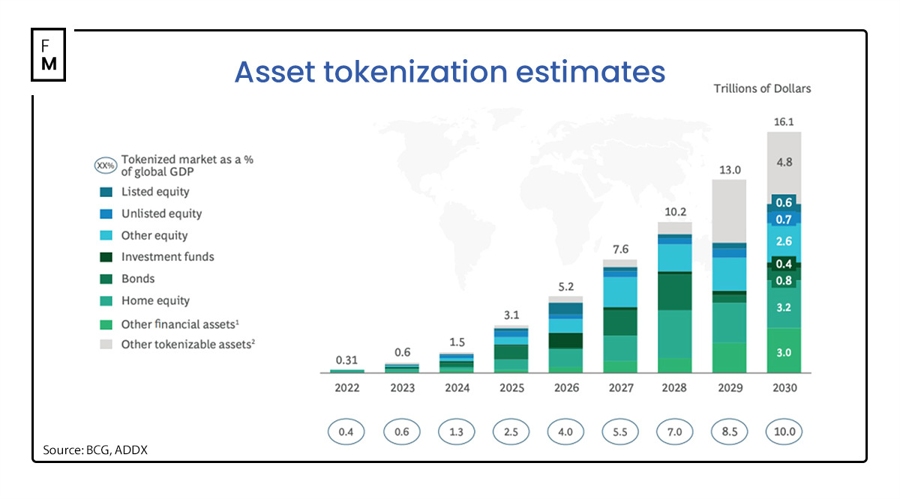
Start by confirming the legal framework governing the token. Institutional readiness depends heavily on jurisdiction. Look for tokens issued under recognized securities laws, such as Regulation D or Regulation S in the US, or equivalent frameworks in the EU and Singapore. Avoid platforms that lack clear legal opinions or operate in regulatory gray zones, as these pose significant risks to investor rights and asset recovery.
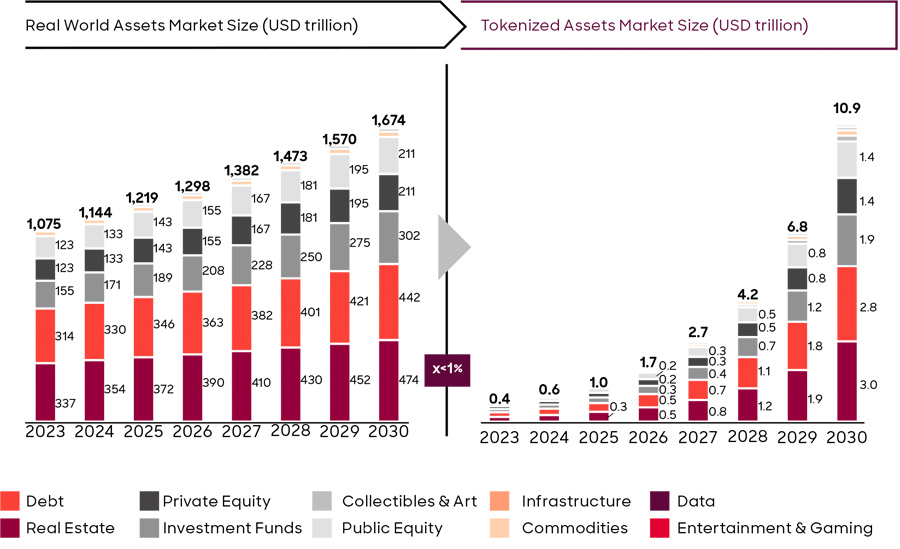
Liquidity is the primary value proposition of tokenization, but it varies widely. Evaluate whether the platform offers a licensed secondary market or integrated trading venue. Some tokenized real estate assets are illiquid by design, locking capital for years. Others allow fractional trading on regulated exchanges. Ensure the platform has a clear path for exit, including designated market makers or automated liquidity pools, to prevent your investment from becoming stranded.
Transparency is non-negotiable. The token must represent a direct claim on a tangible asset with verifiable cash flows. Review the property’s location, occupancy rates, and debt structure. Ensure the yield mechanism is automated and transparent, with distributions recorded on-chain. Avoid complex structures where yields are derived from unverified revenue streams or opaque financial engineering. The best performing assets in 2026 are those with straightforward, auditable income streams.
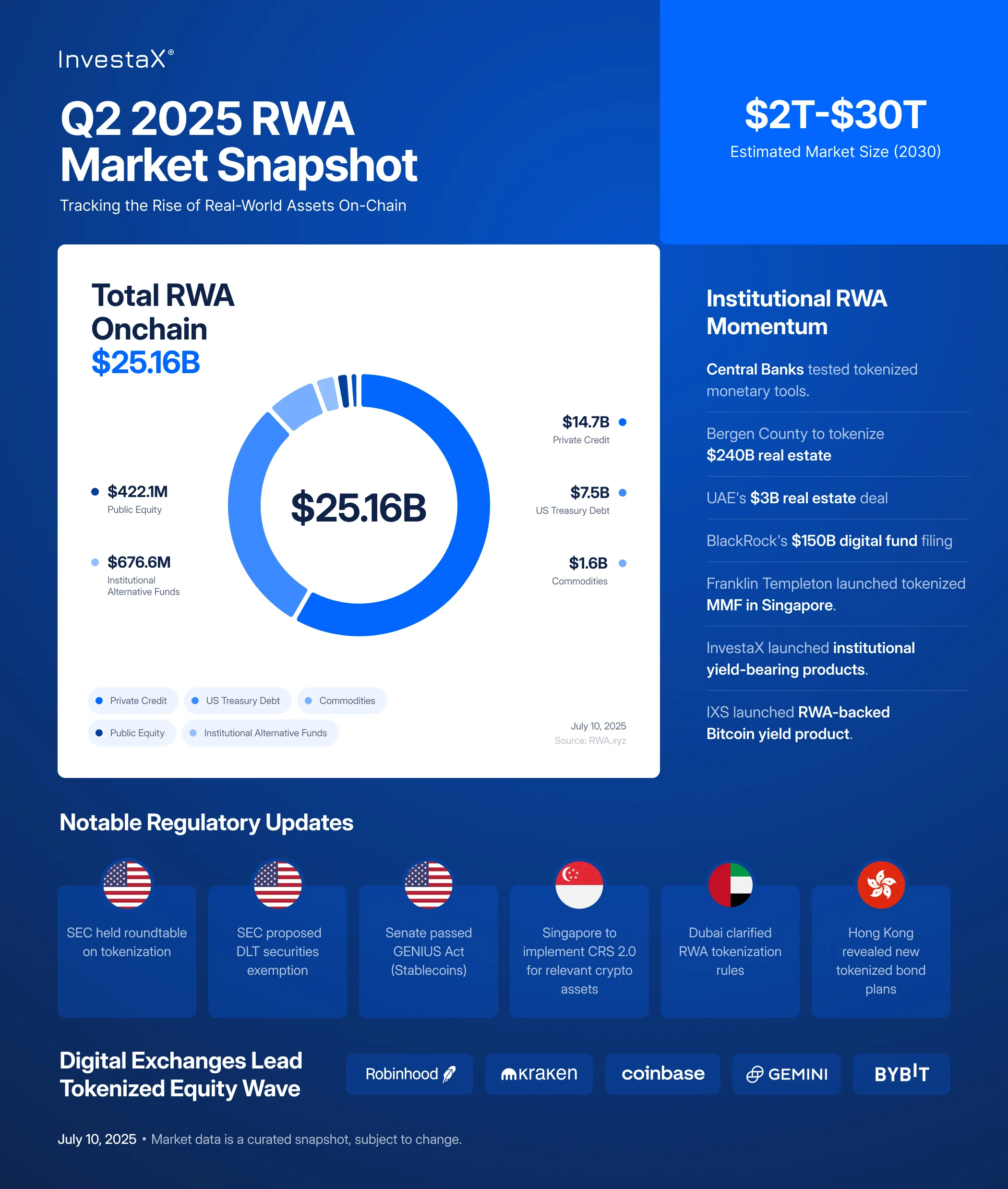
Choose platforms with a proven history of secure operations and regulatory compliance. Look for third-party security audits of smart contracts and clear governance models. The top RWA platforms are those that have navigated multiple regulatory cycles without major security breaches. Avoid new or unproven platforms, even if they offer higher yields, as the risk of technical failure or regulatory shutdown is significantly higher.
Spotting Misleading Claims in RWA Tokenization
The rapid growth of real-world asset (RWA) tokenization has created space for overhyped narratives. While the sector reached $60 billion in tokenized value across 7,000+ products in 2026, most of this volume is concentrated in a single asset class. Investors often conflate "tokenized" with "liquid" or "institutionally ready," leading to costly mistakes. Understanding the difference between marketing claims and operational reality is essential for navigating the 2026 landscape.
The Treasury Dominance Myth
A common misconception is that tokenization is diversifying across stocks, real estate, and commodities. In reality, tokenized U.S. Treasuries dominate the market. This concentration means that "RWA tokenization" is currently a proxy for digital dollar liquidity, not a broad asset revolution. Claims of "institutional readiness" for other assets like private equity or real estate often ignore the lack of standardized legal frameworks and secondary market infrastructure.
Liquidity vs. Accessibility
Another weak option is the assumption that tokenization automatically solves illiquidity. While tokens can be traded 24/7 on blockchain networks, the underlying assets (like private credit or real estate) often have lock-up periods or redemption gates. Marketing materials frequently highlight trading speed while omitting redemption constraints. Always check the smart contract terms and legal wrappers to understand when you can actually exit a position.
Regulatory Compliance Gaps
Regulatory compliance is not yet universal. Many platforms operate in gray areas, particularly regarding cross-border investor eligibility. The lack of a unified global standard means that a token compliant in one jurisdiction may be illegal in another. Relying on platform self-certification without verifying the underlying legal structure is a significant risk. The 2026 outlook suggests stricter enforcement, making due diligence on regulatory standing more critical than ever.
Real world assets 2026: what to check next
The RWA market has moved past the experimental phase. Total tokenized assets exceeded $60 billion in 2026, but liquidity remains concentrated in specific sectors. Below are direct answers to the most common questions about market leaders, asset performance, and future growth.
No comments yet. Be the first to share your thoughts!