
Tokenized real estate 2026
Real estate tokenization in 2026 has shifted from experimental pilot programs to a structured capital formation strategy. Sponsors are now using blockchain to fractionalize ownership, allowing access to a global pool of investors while providing enhanced liquidity for traditionally illiquid commercial properties. This shift is not merely technological; it requires rigorous legal structuring, strict securities compliance, and seamless integration with existing banking and custody systems.
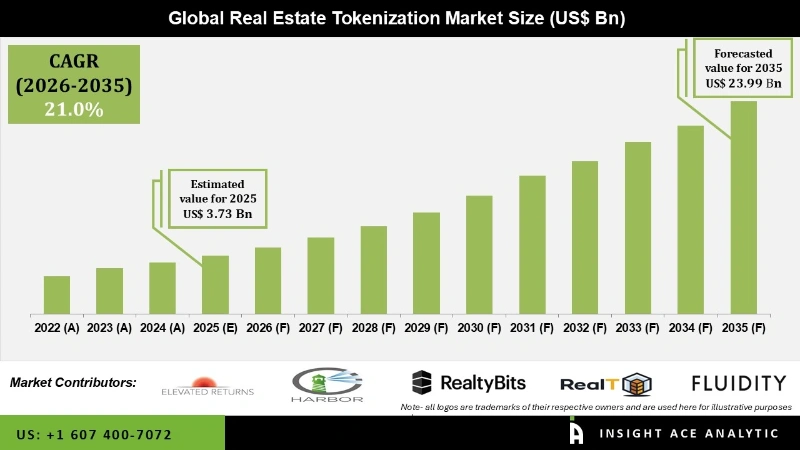
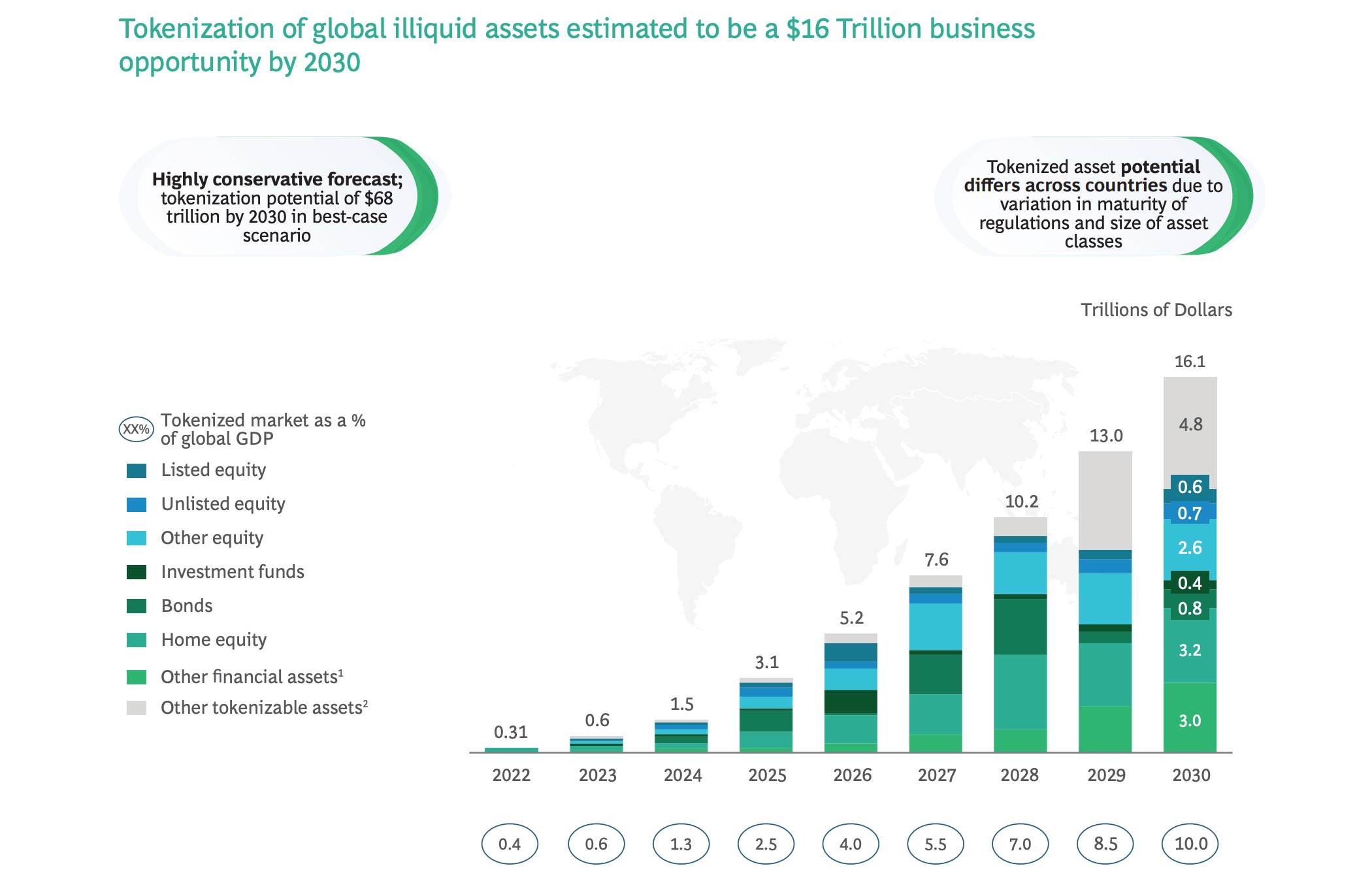
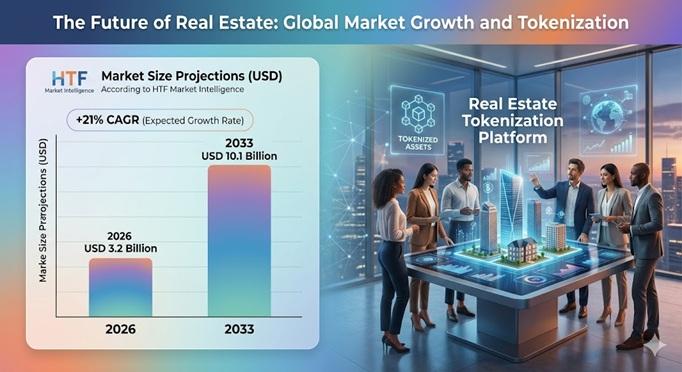
The market is expanding rapidly. According to a 2026 tokenization report, the market size is projected to grow from $4.1 billion in 2025 to $5.19 billion in 2026, representing a compound annual growth rate (CAGR) of 26.4%. This growth is driven by platforms that leverage AI for valuations and blockchain for secure, transparent closings. For example, Propy is already utilizing these technologies for tokenized real estate transactions, signaling a move toward standardized, scalable operations.
While the 2026 housing market balances high demand with tighter affordability, tokenized assets offer a distinct advantage. They allow investors to gain exposure to urban areas with strong job growth and tech expansion without the barrier of full property acquisition. As the industry matures, the focus is shifting from novelty to utility, with 2026 serving as a pivotal year for establishing robust infrastructure and regulatory clarity in fractional ownership.
Tokenized real estate 2026 choices that change the plan
Use this section to make the The Tokenized Real Estate Boom decision easier to compare in real life, not just on paper. Start with the reader's actual constraint, then separate must-have requirements from details that are merely nice to have. A practical choice should survive normal use, maintenance, timing, and budget. If a recommendation only works in an ideal situation, call that out plainly and give the reader a fallback path.
| Factor | What to check | Why it matters |
|---|---|---|
| Fit | Match the option to the primary use case. | A good deal still fails if it does not fit the job. |
| Condition | Verify age, wear, and service history. | Hidden condition issues erase upfront savings. |
| Cost | Compare purchase price with likely upkeep. | The cheapest option is not always the lowest-cost option. |
How to evaluate tokenized real estate deals in 2026
The tokenization market is projected to reach $5.19 billion this year, but not every digital deed offers real value. Sponsors are now leveraging AI for property valuations and automated compliance, which changes how you should vet these opportunities. Before committing capital, you need a framework that separates regulated, liquid assets from speculative projects.
Use this step-by-step checklist to filter deals based on legal structure, platform integrity, and market fit.

Tokenized real estate is a security, not a cryptocurrency. Ensure the issuer is registered with the relevant financial authority (like the SEC in the US or ESMA in Europe). Look for clear legal wrappers, such as a Delaware LLC or a Swiss foundation, that hold the physical title. If the whitepaper doesn't explicitly mention KYC/AML checks and accredited investor verification, walk away.
Fractional ownership is only valuable if you can sell. Check the platform's secondary market rules. Do they have a built-in exchange, or do you have to find a buyer manually? Platforms like Propy are integrating AI to streamline closings, but you must confirm the token's transferability restrictions. Avoid platforms that lock your capital for undefined periods without a clear redemption mechanism.
In 2026, AI drives many property appraisals. Ask how the algorithm determines value. Does it use real-time comparable sales data, or is it based on outdated manual reports? A robust model should account for local market trends, vacancy rates, and maintenance costs. If the platform cannot explain its valuation logic, the projected returns are likely inflated.
Token laws vary wildly by location. Some jurisdictions restrict tokenized securities to accredited investors only, while others allow retail participation with caps. Verify that the platform complies with your local securities laws. Investing in a non-compliant structure can lead to frozen assets or legal complications if the issuer faces regulatory scrutiny.
The blockchain is just the delivery mechanism; the property is the asset. Apply traditional real estate due diligence. Is the building in a growing urban area with strong job growth? What is the occupancy rate? Tokenization does not fix a bad location or a crumbling building. Focus on cash flow stability and long-term appreciation potential in the specific neighborhood.
KeyTakeaways items=["Tokenized real estate is a regulated security requiring strict legal compliance.", "AI-driven valuations are common in 2026, but you must verify the data sources.", "Liquidity is the main benefit, but exit strategies vary significantly by platform.", "Always perform traditional due diligence on the underlying physical property."]
Avoid the weak options
Use this section to make the The Tokenized Real Estate Boom decision easier to compare in real life, not just on paper. Start with the reader's actual constraint, then separate must-have requirements from details that are merely nice to have. A practical choice should survive normal use, maintenance, timing, and budget. If a recommendation only works in an ideal situation, call that out plainly and give the reader a fallback path.
The simplest way to use this section is to write down the must-have criteria first, then compare each option against those criteria before weighing nice-to-have features.
Tokenized real estate 2026: what to check next
Investors entering the market in 2026 face a landscape defined by regulatory clarity and rapid technological integration. Before committing capital, it is essential to understand how tokenization functions as a capital formation strategy and what the current market data suggests for the near future.
No comments yet. Be the first to share your thoughts!