
Real estate tokenization 2026: What’s actually happening
The market has moved past speculative hype into structured deployment. By 2026, institutional investors expect to allocate 5.6% of their portfolios to tokenized assets, while high-net-worth individuals plan to commit 8.6%. This shift marks a transition from experimental pilots to regulated, compliant frameworks that institutional capital can safely navigate.
The primary driver is liquidity. Traditional commercial real estate is illiquid, but tokenization fragments ownership into digital shares that trade on secondary markets. This allows investors to buy fractional stakes in high-value properties without the traditional barriers of large capital requirements or lengthy closing processes.
Regulatory clarity is the other pillar. Platforms like Zoniqx, StegX, and RealT are building on compliant blockchains that adhere to securities laws. This compliance ensures that tokenized shares are recognized as legal securities, enabling proper KYC/AML checks and investor protections that were previously missing in decentralized finance experiments.
The scale is growing rapidly. Deloitte projects that roughly $4 trillion of real estate will be tokenized by 2035, up from less than $300 billion in 2024. This growth isn’t just about technology; it’s about redefining how property ownership is accessed, traded, and managed in a digital-first economy.
Real estate tokenization 2026 choices that change the plan
Tokenization turns illiquid property into tradable digital shares, but the model introduces new frictions that traditional direct ownership avoids. In 2026, the most successful platforms are those that balance liquidity with regulatory compliance, rather than chasing pure decentralization.
When evaluating tokenized commercial real estate, you must weigh three concrete factors: the depth of secondary markets, the rigidity of transfer rules, and the reliability of the underlying smart contract infrastructure. A token is only as liquid as the marketplace that supports it.
The table above highlights the core tension: you gain access and speed, but you surrender some control and privacy. Tokenized investors must accept that their shares are securities, not simple property deeds. This means every transfer is logged, vetted, and potentially restricted based on your residency or accreditation status.
The Real Estate Select Sector SPDR Fund (VNQ) provides a useful benchmark for how tokenized assets might behave if they achieve mainstream adoption. While tokenized properties are not yet traded in this volume, the correlation between tokenized platform tokens and broader REIT performance offers a proxy for market sensitivity.
Beyond market data, the technical infrastructure matters. Smart contracts automate rent distribution and voting, reducing administrative overhead. However, they also introduce code risk. If a platform’s code contains a vulnerability, your fractional ownership could be compromised. Always verify that the tokenization provider uses audited, battle-tested smart contracts from reputable firms.
Finally, consider the exit strategy. Unlike a physical property you can sell to any qualified buyer, tokenized shares often rely on designated secondary markets or buyback programs. These markets may have limited depth, meaning you might not be able to sell your tokens at fair value when you need to. This illiquidity premium is the cost of entry for fractional ownership.
How to Choose a Tokenization Platform
Real estate tokenization moves from pilot programs to standard allocation in 2026. Institutional investors expect to allocate 5.6% of their portfolios to tokenized assets, while high-net-worth individuals target 8.6%. This shift demands a platform that balances regulatory compliance with AI-driven liquidity. Choosing the right partner requires checking five specific criteria before committing capital.
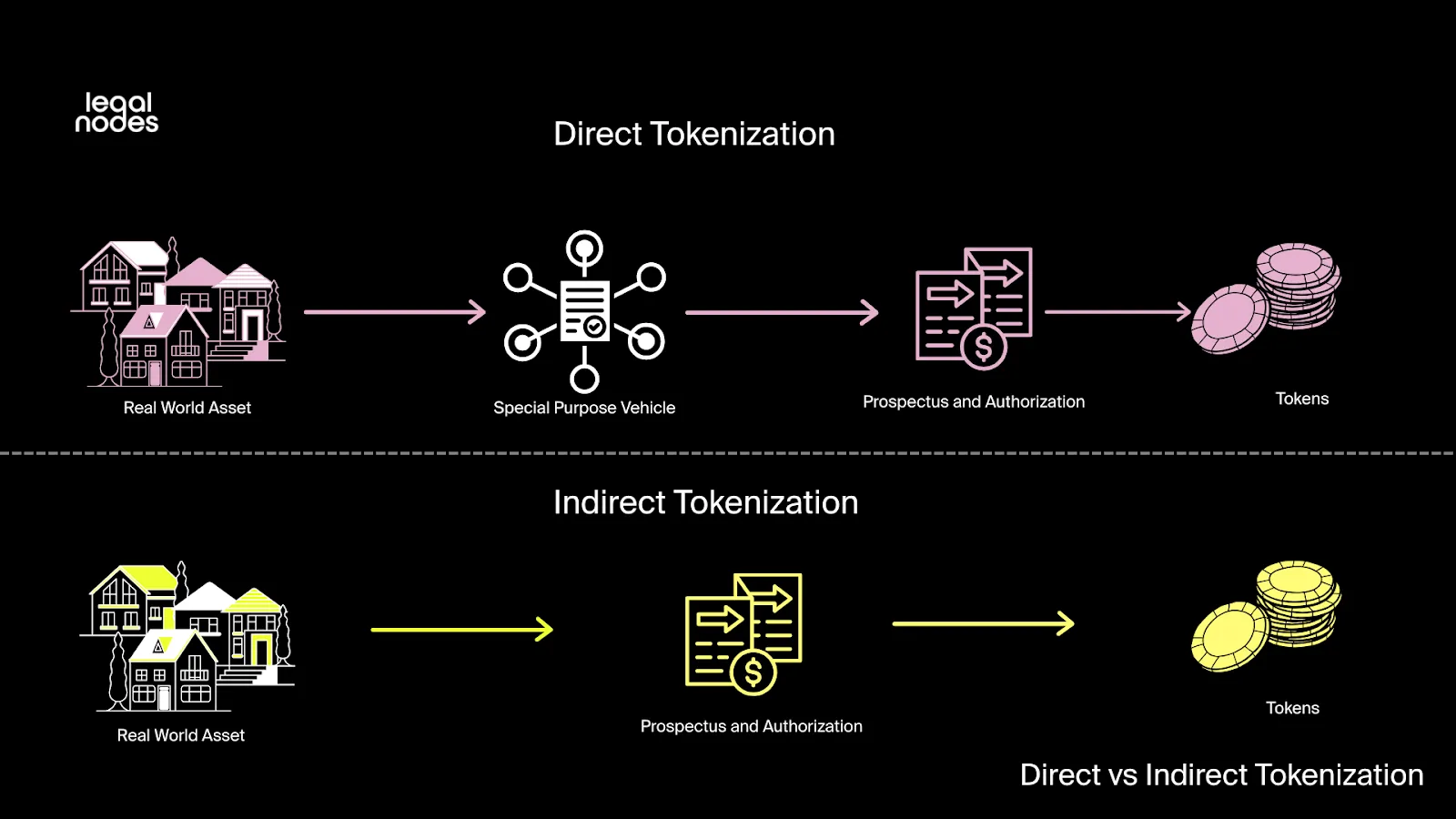
Tokenized securities are regulated financial instruments, not speculative collectibles. Ensure your platform operates under established frameworks like Reg D, Reg S, or Reg A+. Without proper legal scaffolding, your fractional ownership rights may be unenforceable in a market downturn. Prioritize platforms that publish their legal opinions and KYC/AML procedures transparently.

Unlike traditional REITs, tokenization promises secondary market trading. However, liquidity depends on active buyer-seller matching. Look for platforms using AI algorithms to predict pricing and match trades instantly. Without this infrastructure, you may hold illiquid tokens with no clear exit strategy. The best platforms integrate automated market makers or curated broker-dealer networks.

AI can analyze market trends, but it cannot replace physical inspection. Verify how the platform selects underlying assets. Do they use independent appraisers? Are property management fees clearly disclosed? High-quality platforms provide detailed property reports, rental yield projections, and maintenance schedules. If the due diligence process feels opaque, the asset risk is likely higher than the platform admits.
Not all tokens are created equal. Some represent equity (ownership), while others represent debt (lending). Understand the fee structure: issuance fees, management fees, and secondary trading commissions. AI-driven platforms often charge lower fees than traditional intermediaries, but hidden costs can erode returns. Calculate the net yield after all deductions to compare against traditional commercial real estate investments.
Blockchain interfaces can be complex. A good platform offers a clean dashboard for tracking holdings, dividends, and tax documents. Test the onboarding process: is it intuitive? Is customer support responsive? For 2026 investors, seamless technology is as important as asset quality. Friction in buying, selling, or reporting taxes will deter long-term adoption.
The market is consolidating around a few key players. Platforms like Zoniqx, StegX, and RealT are leading the charge by combining regulatory rigor with user-friendly interfaces. As tokenization scales, these platforms will define the standard for fractional ownership. Choose wisely, as the infrastructure you pick today will determine your liquidity and security for years to come.
Spotting Weak Tokenization Claims
As AI-driven fractional ownership gains traction, the market is flooded with platforms making promises that outpace their legal and technical foundations. Before allocating capital, you need to filter out hype from viable infrastructure. The following areas are where most tokenization projects fail to deliver on their marketing.
Vague Legal Structures
Many platforms advertise "tokenized real estate" without clarifying the underlying legal vehicle. A token should represent a clear interest in a Special Purpose Vehicle (SPV) or a direct deed, not just a speculative digital asset. If a platform cannot explicitly detail how investor rights are enforced in court, treat it as a high-risk speculative play rather than a property investment.
Overstated Liquidity
"24/7 liquidity" is a common selling point, but secondary market trading for real estate tokens is often thin. Unlike stocks, there may be no buyers when you want to sell. Check the platform’s history of secondary trades. If there are no recent transactions or if bid-ask spreads are wide, your capital may be locked for years. Do not assume you can exit quickly.
Hidden Fee Structures
Tokenization often introduces new layers of costs: minting fees, secondary transaction taxes, and platform maintenance charges. These can erode yields significantly compared to traditional REITs or direct ownership. Request a full fee schedule before investing. Look for platforms that cap transaction fees or offer transparent, flat-rate models rather than percentage-based cuts on every trade.
Real estate tokenization 2026: common: what to check next
Fractional ownership is moving from pilot programs to active portfolios. The following answers address the practical objections investors face when considering AI-driven commercial property tokens.
No comments yet. Be the first to share your thoughts!