
Tokenized Real Estate 2026 Budget
Budgeting for tokenized real estate in 2026 requires balancing platform fees, property age, and location liquidity. Unlike traditional deeds, token prices fluctuate with both the underlying asset’s condition and the platform’s secondary market depth. A $500 entry on a fractional platform often buys a slice of a stabilized asset, while a higher minimum on a private equity-style token might secure a development-stage property with greater upside but less immediate liquidity.
When evaluating platforms like RealT, StegX, or Propy, check their minimum investment thresholds and management fee structures. Older properties may offer lower entry prices but carry higher maintenance reserves. Newer constructions often command premium token prices but may include developer incentives or rent guarantees. Always verify if the platform holds the legal title directly or uses a special purpose vehicle (SPV), as this impacts your legal recourse if the property encounters issues.
Focus on platforms that provide transparent monthly yield reports and clear exit mechanisms. In 2026, the most reliable tokenized assets are those with established rental histories and professional property management. Avoid platforms that promise unrealistic yields without disclosing the specific property risks or the liquidity constraints of their token trading venues.
Shortlist real options
Tokenized real estate has moved from experimental pilots to a structured financial layer in 2026. The market is consolidating around platforms that prioritize regulatory compliance over speculative volume. With the ERC-3643 standard becoming the industry baseline, the focus has shifted to platforms that embed compliance logic directly into the smart contract.
Choosing the right platform depends on your access level and geographic focus. Some platforms cater to accredited investors seeking high-yield commercial assets, while others open the door to fractional residential ownership. The table below compares the leading contenders based on asset type, minimum entry, and regulatory standing.
| Platform | Asset Focus | Min. Investment | Compliance Standard |
|---|---|---|---|
| Zoniqx | Commercial & Residential | $500 | ERC-3643 (T-REX) |
| StegX.Finance | Global Real Estate | $100 | Multi-jurisdictional |
| RealT | US Residential | $50 | SEC Reg D/A |
| Propy | Global Commercial | $10,000 | KYC/AML Integrated |
| tZERO | Tokenized Securities | $10,000 | SEC Reg S/D |
Zoniqx and StegX: The Compliance Leaders
Zoniqx stands out for its strict adherence to the ERC-3643 standard, ensuring that every token transfer is pre-validated against investor status. This makes it a preferred choice for institutional players who cannot afford regulatory friction. StegX offers a broader global reach, allowing investors to access properties across multiple jurisdictions with a unified interface. Both platforms prioritize legal clarity, making them safer bets for risk-averse investors in 2026.
RealT and Propy: Accessibility vs. Scale
RealT has democratized access to US residential real estate with minimum investments as low as $50. It is ideal for retail investors looking to diversify their portfolios with tangible assets. Propy, conversely, focuses on high-value commercial transactions and cross-border sales. Its platform is designed for speed and legal automation, catering to buyers who want to acquire significant stakes without traditional closing delays.
tZERO: The Securities-First Approach
tZERO operates more like a digital stock exchange for real estate assets. It is best suited for accredited investors who understand the nuances of Reg D and Reg S offerings. While the entry barrier is higher, the platform offers deep liquidity and a robust secondary market for trading tokenized shares. It is less about owning a physical building and more about holding a compliant security backed by real estate.
Inspect the expensive parts
Use this section to make the Tokenized Real Estate Market Report decision easier to compare in real life, not just on paper. Start with the reader's actual constraint, then separate must-have requirements from details that are merely nice to have. A practical choice should survive normal use, maintenance, timing, and budget. If a recommendation only works in an ideal situation, call that out plainly and give the reader a fallback path.
-
Verify the basicsConfirm the core specs, condition, and fit before comparing extras.
-
Price the downsideLook for the repair, maintenance, or replacement cost that would change the decision.
-
Compare alternativesCheck at least two comparable options before treating one listing as the benchmark.
Plan for ownership costs
Tokenized real estate shifts the burden of physical maintenance from the owner to the platform, but it does not eliminate the costs. When you buy a tokenized share, you are buying a slice of a legal entity that owns the property. That entity still pays property taxes, insurance, and repairs. These expenses are deducted from the rental income before it is distributed to token holders, meaning your net yield is always lower than the gross rent.
The danger lies in "cheap" listings that advertise high gross yields without disclosing operating expenses. A platform might show a 10% yield, but if the property is in a high-tax jurisdiction or requires significant capital expenditures, the net return could be 4% or less. Always check the platform's fee structure and the property's historical operating expenses. Look for platforms that provide transparent monthly statements detailing every deduction, from management fees to HVAC repairs.
Maintenance surprises are the biggest risk for new investors. Unlike a traditional landlord, you cannot fix a leaky faucet yourself. You rely on the platform's property manager. If the manager is slow or the platform underfunds its reserve account, the property value can erode. Choose platforms that maintain a healthy reserve fund for unexpected repairs, ensuring that a broken water heater doesn't trigger an unexpected fee or dilute your share value.


As an Amazon Associate, we may earn from qualifying purchases.
Tokenized real estate 2026: practical answers to common: what to check next
Before committing capital to tokenized real estate in 2026, it helps to separate the technology from the investment thesis. The sector is maturing, with clearer legal frameworks and more accessible platforms, but it still carries distinct risks compared to traditional property ownership.
How is real estate going to be tokenized?
Tokenization converts property rights into digital tokens on a blockchain. In 2026, the ERC-3643 (T-REX) standard has become the industry norm because it embeds compliance logic directly into the smart contract. This means ownership transfers automatically while adhering to regulatory requirements, unlike earlier methods that relied on external legal wrappers.
Will there be a real estate boom in 2026?
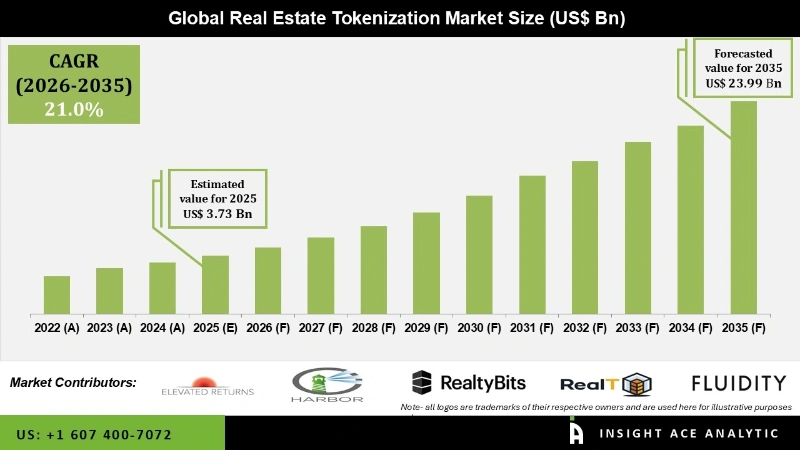
The market is expanding rapidly. Projections suggest the tokenized real estate sector could grow from under $300 billion in 2024 to over $4 trillion by 2035. While 2026 marks a period of significant structural growth and institutional adoption, it does not guarantee immediate price spikes for underlying properties. The boom is in infrastructure and liquidity, not necessarily in rapid property value appreciation.
Where can I buy tokenized real estate?
Investors typically access these assets through specialized platforms rather than general cryptocurrency exchanges. Leading 2026 platforms include Zoniqx, StegX.Finance, RealT, and Propy. These platforms handle the legal structuring of the Special Purpose Vehicles (SPVs) that hold the actual deeds, allowing you to buy fractional shares with as little as a few hundred dollars.
Is tokenized real estate a good investment?
It offers diversification and liquidity that physical real estate cannot, but it is not risk-free. The primary benefits are fractional ownership and the ability to trade shares 24/7. However, you face smart contract risks, regulatory changes, and lower liquidity than stocks. It works best as a small portion of a diversified portfolio rather than a primary wealth vehicle.
No comments yet. Be the first to share your thoughts!