
Real estate tokenization 2026 limits to account for
Tokenizing real estate in 2026 requires navigating a mature regulatory landscape where compliance is no longer optional but embedded in the code. The following guide helps you evaluate platforms based on strict legal standards, liquidity realities, and fee structures, ensuring your investment survives normal market conditions.
Real estate tokenization 2026 choices that change the plan
When comparing tokenization platforms, prioritize those that integrate compliance directly into their smart contracts. This approach reduces regulatory friction and protects investors from holding non-compliant securities. A practical choice should survive maintenance, timing, and budget constraints, with clear fallback paths if ideal conditions are not met.
| Factor | What to check | Why it matters |
|---|---|---|
| Fit | Match the option to the primary use case. | A good deal still fails if it does not fit the job. |
| Condition | Verify age, wear, and service history. | Hidden condition issues erase upfront savings. |
| Cost | Compare purchase price with likely upkeep. | The cheapest option is not always the lowest-cost option. |
How to Choose a Real Estate Tokenization Platform
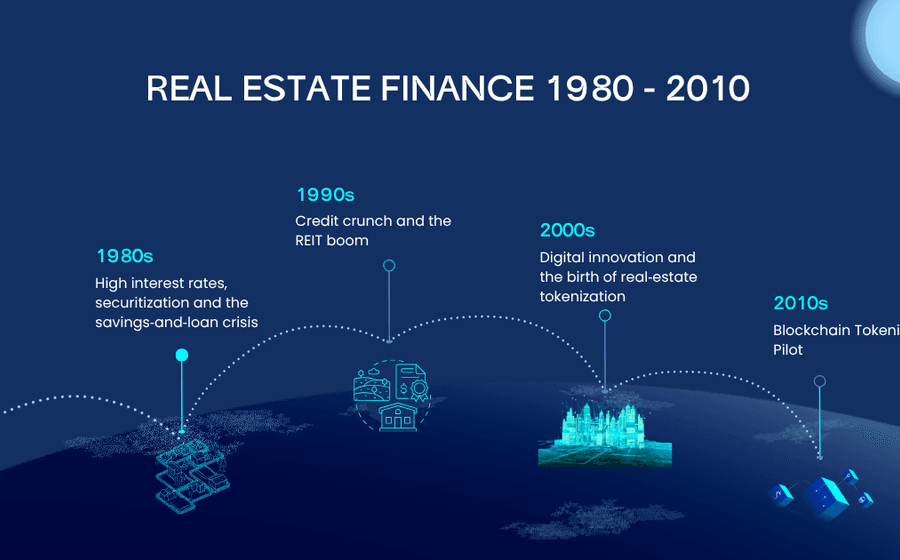
Tokenizing real estate represents financial rights linked to a property as digital tokens on a blockchain. While the technology enables fractional ownership, execution relies entirely on the platform you select. In 2026, the legal landscape favors platforms that embed compliance directly into the code, reducing the risk of regulatory friction.
When evaluating providers, prioritize those using the ERC-3643 (T-REX) standard. This protocol adds compliance logic into the smart contract, ensuring that only verified, accredited investors can hold or trade tokens. This built-in guardrail is the primary differentiator between a compliant asset and a speculative security.
Look for platforms explicitly supporting ERC-3643. This standard ensures that transfer restrictions and identity checks are automated. Avoid generic ERC-20 platforms unless they offer separate, complex off-chain compliance layers, which often fail during liquidity events.
Tokenization is not a loophole for retail speculation. Ensure the platform requires KYC (Know Your Customer) and AML (Anti-Money Laundering) checks for all participants. The best platforms automatically block non-accredited wallets from purchasing tokens, protecting you from regulatory penalties.
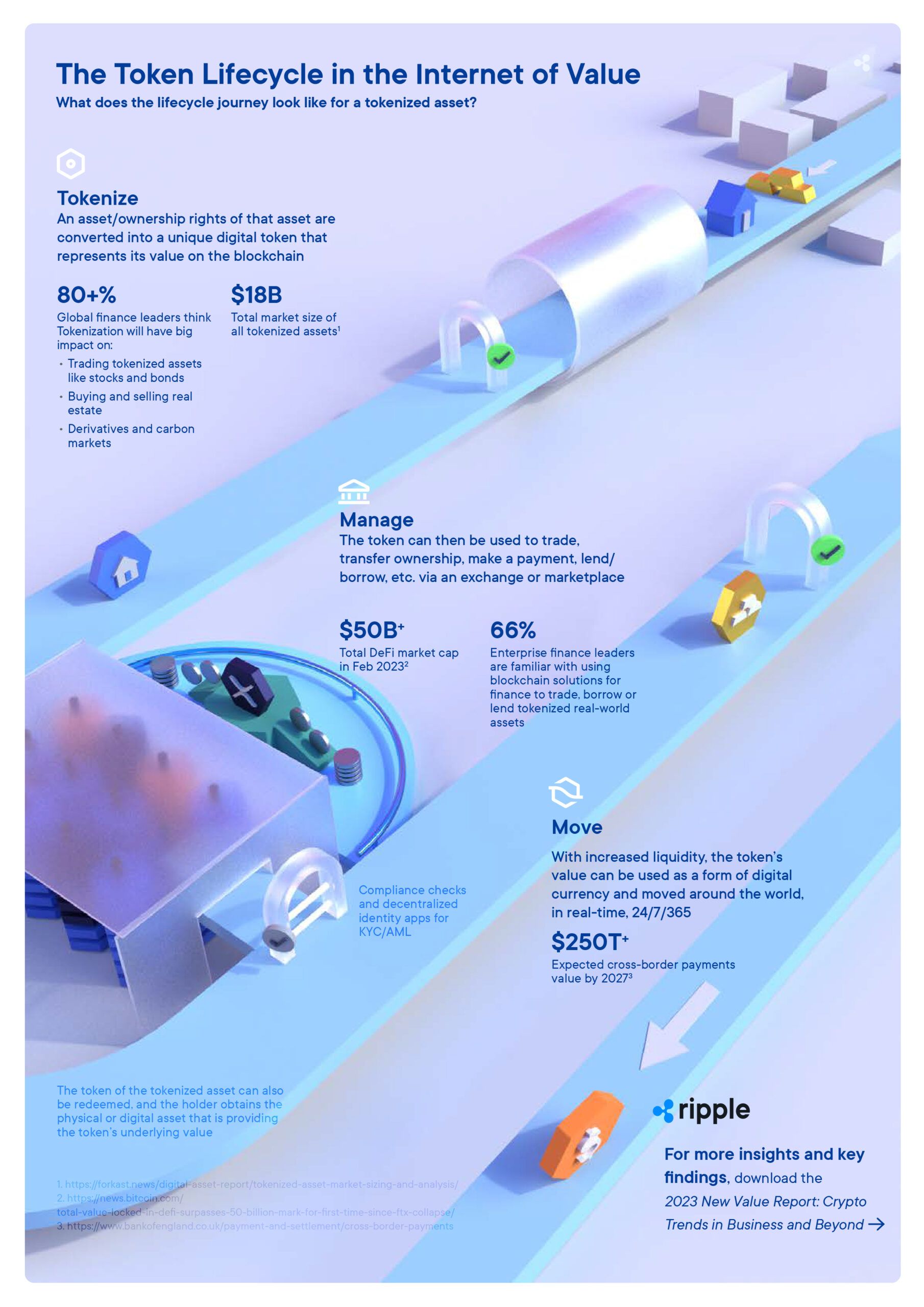
Real estate is inherently illiquid. Check if the platform has a built-in secondary market or partnerships with regulated exchanges. Without a clear path to sell your tokens, your investment remains locked until the property is sold or refinanced. Look for platforms with active trading volumes, not just theoretical markets.
The right platform acts as both a digital ledger and a legal guardian. By choosing a provider that merges ERC-3643 compliance with robust investor verification, you align your investment with the 2026 regulatory framework. This approach minimizes legal risk while maximizing the potential for fractional liquidity.
Spotting Weak Options and Misleading Claims
The 2026 tokenization boom has attracted platforms promising "instant liquidity" or "zero due diligence." These are red flags. Legitimate fractional ownership requires strict compliance checks. If a platform bypasses KYC/AML or claims you can sell tokens on any open exchange without restrictions, it is likely operating outside regulatory frameworks. Always verify that the platform uses a compliant standard like ERC-3643 (T-REX), which embeds compliance logic directly into the smart contract.
Another common mistake is ignoring the secondary market reality. Many platforms claim you can exit your position quickly, but in practice, liquidity is often limited to a small pool of pre-approved buyers. Before investing, ask for the platform's historical exit data. If they cannot provide clear examples of past token transfers and settlement times, the liquidity promise is likely weak. Look for platforms that partner with regulated Alternative Trading Systems (ATS) for secondary sales.
Finally, beware of platforms that obscure fee structures. Tokenization involves multiple layers of costs: issuance, management, and transaction fees. Some platforms hide these in "management fees" that are unclear or disproportionately high. A transparent platform will list all fees upfront, including any performance fees or exit penalties. If the fee schedule is vague or buried in fine print, it is a sign of a weak or potentially misleading option.
Real estate tokenization 2026: what to check next
Navigating fractional ownership requires clarity on mechanics, market viability, and platform selection. Here are the practical answers to the most common questions about tokenizing property in 2026.
No comments yet. Be the first to share your thoughts!