
Real estate tokenization 2026 limits to account for
Use this section to make the Real Estate Tokenization decision easier to compare in real life, not just on paper. Start with the reader's actual constraint, then separate must-have requirements from details that are merely nice to have. A practical choice should survive normal use, maintenance, timing, and budget. If a recommendation only works in an ideal situation, call that out plainly and give the reader a fallback path.
The simplest way to use this section is to write down the must-have criteria first, then compare each option against those criteria before weighing nice-to-have features.
Real estate tokenization 2026 choices that change the plan
Tokenization promises to unlock liquidity in traditionally illiquid markets, but the 2026 landscape requires careful due diligence. While platforms like Zoniqx and StegX.Finance have expanded infrastructure, investors must weigh regulatory compliance against accessibility. The shift from experimental pilots to regulated securities means that "instant liquidity" often depends on secondary market depth, which remains limited for most residential assets.
When evaluating tokenization platforms, focus on three concrete factors: jurisdictional clarity, liquidity mechanics, and fee structures. A platform may offer fractional ownership, but if the tokens are not tradable on a licensed secondary market, the liquidity premium is theoretical. Additionally, AI-driven valuation models can reduce appraisal costs but may introduce algorithmic bias during market downturns. Always verify that the underlying legal structure holds the title in a recognized jurisdiction, such as the UAE or US, rather than relying solely on smart contract code.
The following table compares key tradeoffs across major platform types and operational models to help you evaluate risk and return profiles.
| Feature | Fractional Platforms | Full-Asset Platforms | Institutional DeFi |
|---|---|---|---|
| Minimum Investment | $10–$50 | $50,000+ | $1M+ |
| Liquidity Source | Internal Marketplace | Limited Secondary | OTC/Institutional |
| Regulatory Status | SEC Reg D/S | Varies by Jurisdiction | Fully Compliant |
| AI Valuation Usage | High (Dynamic Pricing) | Medium | Low (Manual Audit) |
| Primary Platforms | RealT, Lofty | Propy, Brickken | Securitize, Polymesh |
Choose the next step
Real Estate Tokenization works best as a clear sequence: define the constraint, compare the realistic options, test the tradeoff, and choose the path with the fewest hidden costs. That order keeps the advice usable instead of decorative. After each step, pause long enough to check whether the recommendation still fits the reader's actual situation. If it depends on perfect timing, unusual access, or a best-case budget, include a simpler fallback.
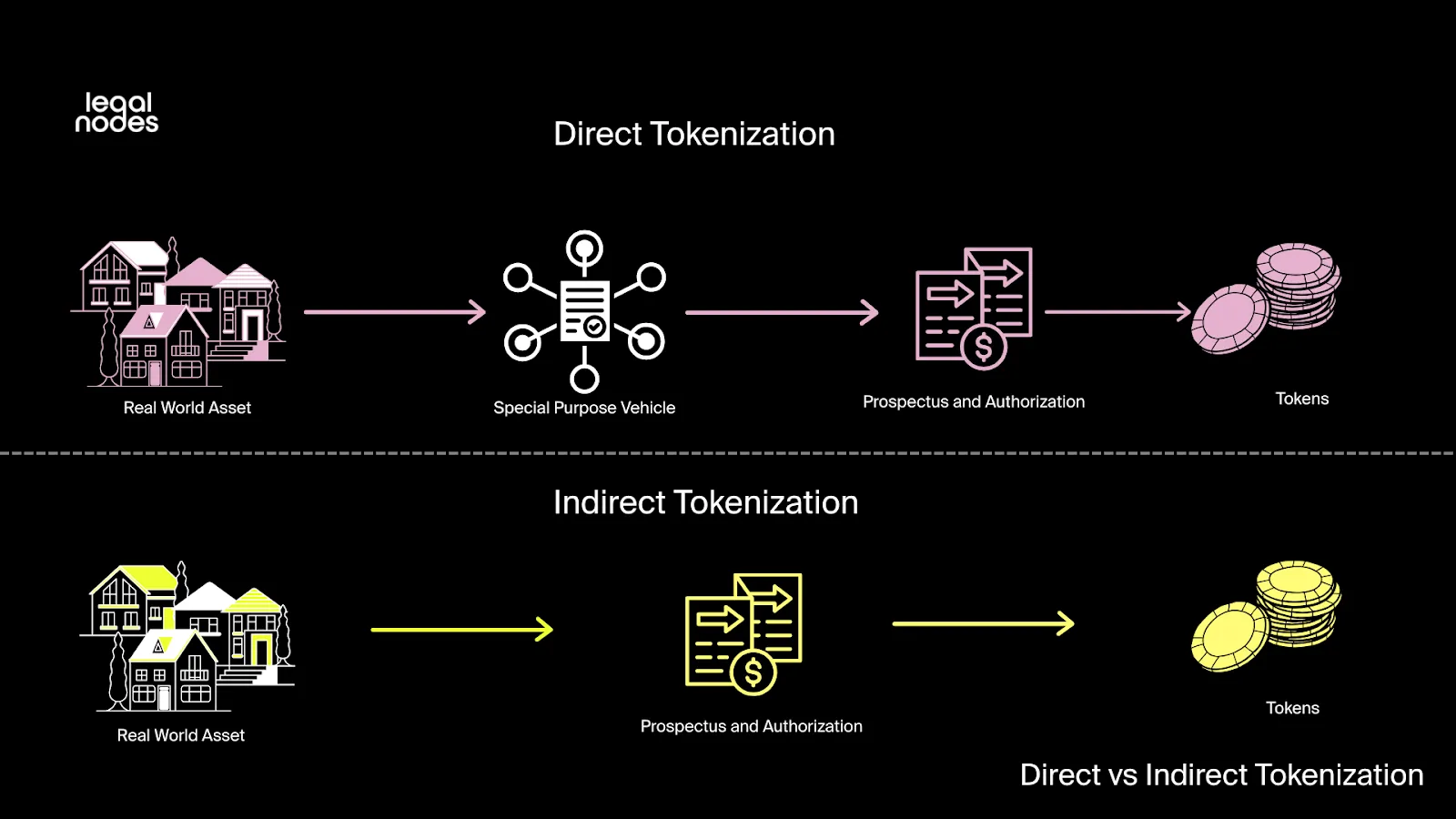


Spotting Weak Tokenization Claims and Options
The real estate tokenization market has grown 308% in three years, but that growth has attracted platforms making misleading promises about instant liquidity and AI-driven precision. Investors often confuse fractional ownership with actual tradability. Many platforms claim "instant liquidity" but restrict secondary sales to accredited investors only or lock funds for years. This disconnect between marketing and regulatory reality is the most common pitfall in 2026.
When evaluating tokenization providers, look for compliance-first platforms like Securitize or Polymesh Association. These firms prioritize legal adherence over flashy tech demos. Avoid platforms that do not clearly disclose their custodial arrangements or smart contract audit history. AI valuation tools are useful for initial pricing but cannot replace physical inspections or local market analysis. Treat AI scores as one data point, not a guarantee of value.
The best tokenization companies in 2026, such as ConsenSys and Nadcab Labs, integrate robust legal frameworks with blockchain infrastructure. They do not promise unrealistic returns. Instead, they focus on transparent fee structures and clear investor rights. Check if the platform offers secondary market access through regulated exchanges. If the answer is no, the "liquidity" claim is likely weak. Always verify the jurisdiction of the issuing entity and the specific securities laws they follow.
Real estate tokenization 2026: what to check next
Investors are weighing the practicalities of buying fractional property rights against traditional market conditions. These answers address the most common inquiries about how tokenization works, which platforms to trust, and whether the asset class remains viable in 2026.
No comments yet. Be the first to share your thoughts!