
Get tokenized real estate 2026 right
Use this section to make the The Real Estate Revolution decision easier to compare in real life, not just on paper. Start with the reader's actual constraint, then separate must-have requirements from details that are merely nice to have. A practical choice should survive normal use, maintenance, timing, and budget. If a recommendation only works in an ideal situation, call that out plainly and give the reader a fallback path.
The simplest way to use this section is to write down the must-have criteria first, then compare each option against those criteria before weighing nice-to-have features.
Work through the steps
The Real Estate Revolution works best as a clear sequence: define the constraint, compare the realistic options, test the tradeoff, and choose the path with the fewest hidden costs. That order keeps the advice usable instead of decorative. After each step, pause long enough to check whether the recommendation still fits the reader's actual situation. If it depends on perfect timing, unusual access, or a best-case budget, include a simpler fallback.
Fix common mistakes
Tokenized real estate is still a niche market, representing less than 0.1% of the global $300 trillion property sector. This small adoption rate stems largely from avoidable errors that erode investor trust and stall liquidity. Understanding these pitfalls is essential for anyone navigating this emerging asset class.
One frequent mistake is ignoring regulatory compliance. Tokenization platforms must adhere to strict securities laws, such as the SEC’s regulations in the United States. Failing to verify an issuer’s legal standing can lead to frozen assets or total loss. Always check if the token is registered as a security and if the platform conducts proper KYC/AML checks.
Another critical error is underestimating liquidity constraints. While tokenization promises easier trading, secondary markets are often thin or non-existent. Investors may find themselves unable to sell tokens quickly, especially during market downturns. Unlike traditional real estate, where you can list a property, selling a token requires a willing buyer on a specific blockchain network, which may have limited volume.
Finally, many investors overlook the technical barriers. Managing private keys, understanding blockchain gas fees, and navigating wallet security are non-trivial tasks. A lost key means lost ownership with no customer service recovery. Ensure you have a secure storage solution and understand the technical requirements before investing.
Tokenized real estate 2026: what to check next
Is tokenized real estate a good investment?
It offers liquidity and lower entry costs, but the market is still nascent. Tokenized assets represent less than 0.1% of the $300 trillion global property market, meaning you are buying into an experimental structure rather than a proven asset class. While fractional ownership allows you to diversify across commercial properties, you must weigh these benefits against the platform risks and regulatory uncertainty inherent in digital securities.
What is the tokenization trend in 2026?
The trend is shifting from pilot programs to institutional adoption. Major platforms are expanding multi-chain capabilities and integrating ESG reporting to meet stricter compliance standards. Unlike the speculative crypto boom of previous years, 2026 focuses on regulatory clarity and stable yields. Investors are seeing more structured products that bridge traditional commercial real estate finance with blockchain efficiency, moving the sector from novelty to infrastructure.
Are housing prices predicted to go down in 2026?
Tokenization does not directly dictate local housing prices, which remain driven by interest rates and local supply. However, the tokenization of real estate assets primarily targets commercial and high-value residential properties, not the broader single-family home market. While tokenization can increase market liquidity, it does not inherently lower the underlying property value. Investors should view tokenized shares as exposure to specific asset performance, not a hedge against general housing market fluctuations.
How will real estate be tokenized?
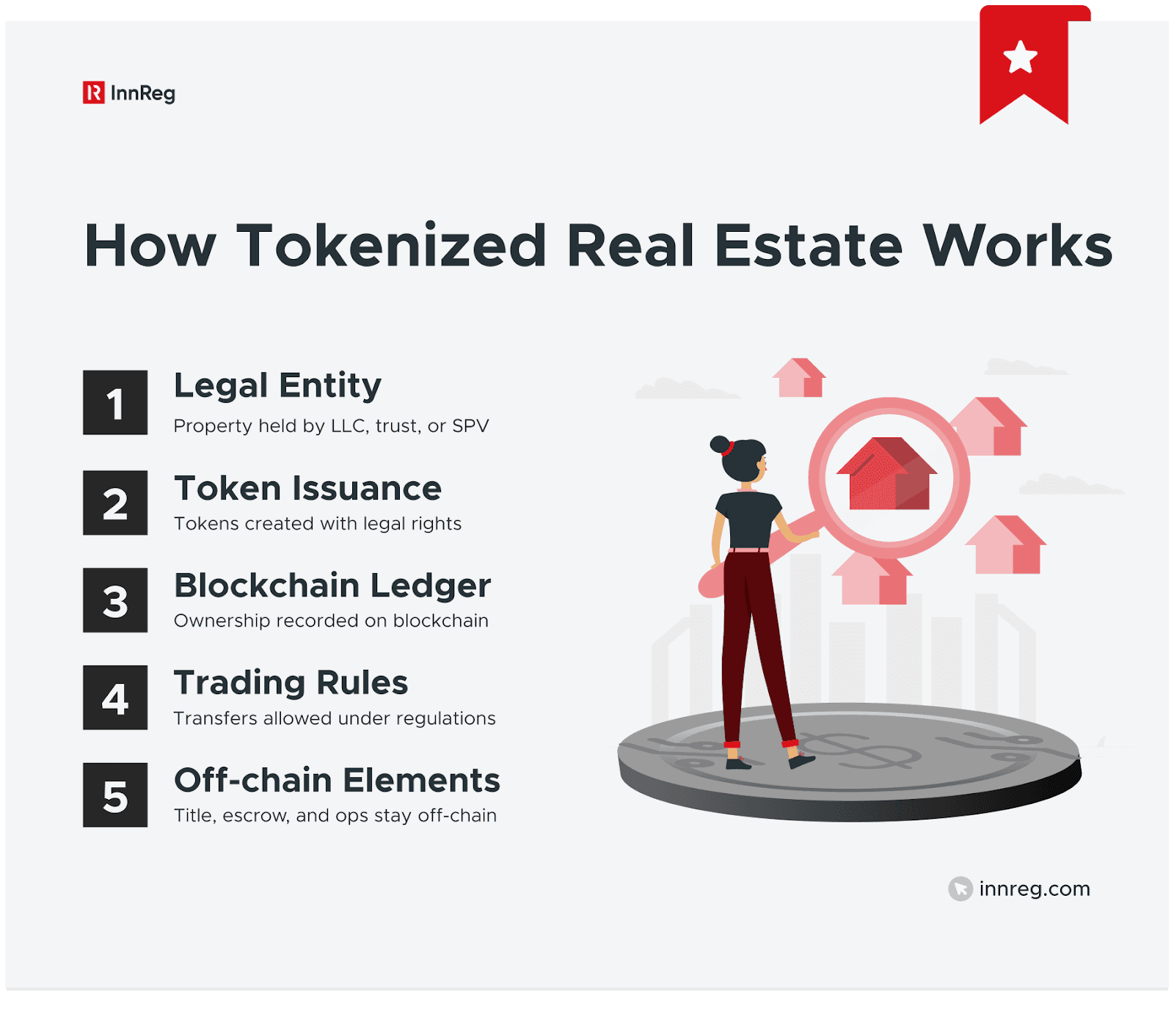
The process involves converting property ownership or economic rights into digital tokens on a distributed ledger. This typically begins with legal structuring, where an entity holds the title and issues tokens representing fractional shares. These tokens are then minted on a blockchain, often compliant with specific jurisdictions like Dubai’s Virtual Assets Regulatory Authority. The result is a programmable asset that can be traded, divided, or used as collateral, subject to the platform’s smart contract rules.
No comments yet. Be the first to share your thoughts!