
Verify platform compliance before investing
Tokenized real estate is still a niche market, representing far less than 0.1% of the global $300 trillion property sector. Because the industry is young and evolving, regulatory oversight varies significantly by jurisdiction. Before you commit capital, you must confirm that the platform issuing the tokens is fully licensed and compliant with local securities laws.
Check for SEC registration or exemptions (US)
In the United States, most tokenized real estate offerings are classified as securities. This means they must be registered with the Securities and Exchange Commission (SEC) or qualify for a specific exemption, such as Regulation D or Regulation A+. Legitimate platforms will clearly disclose their regulatory status in their offering documents. If a platform claims to be "unregulated" or operates in a legal gray area, it is a major red flag.
Verify MiCA and local licensing (EU/UK)
For investors in the European Union, the Markets in Crypto-Assets (MiCA) regulation provides a clearer framework for digital assets, though real estate tokens often still fall under traditional securities laws. In the UK, the Financial Conduct Authority (FCA) regulates these investments. You should check the relevant regulator's official register to ensure the platform is authorized to operate. Avoid platforms that are not listed in your country's official financial registry.
Review the legal structure and custodian
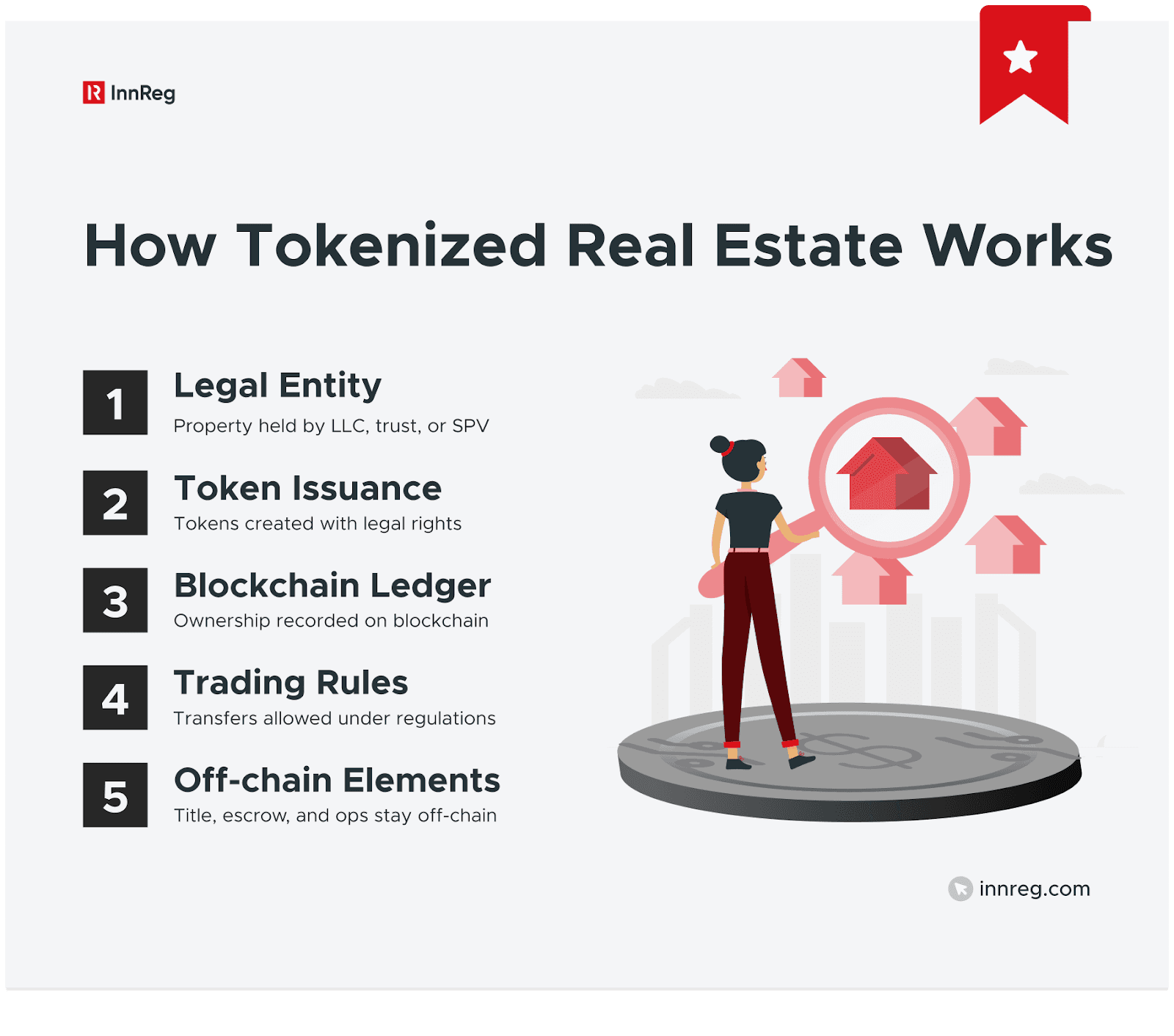
Compliance isn't just about the platform; it's about the legal structure of the token. Ensure that the tokens are backed by a legally recognized entity, such as a Special Purpose Vehicle (SPV), that holds the actual property title. You should also verify who the custodian is—the third party responsible for holding the physical title deeds and managing the property. A compliant platform will have clear, auditable records linking the digital tokens to the real-world asset.
Warning: Tokenized real estate is a high-risk, speculative investment. Always consult with a qualified financial advisor or attorney before investing in any digital asset.
Confirm investor accreditation status
Many tokenized real estate platforms restrict access to accredited investors or qualified purchasers, as defined by the SEC. This is because these investments are illiquid and carry higher risks. You will likely need to provide proof of income, net worth, or professional experience to verify your status. Be wary of platforms that allow non-accredited investors to buy tokens without proper disclosures, as this may indicate non-compliance with securities laws.
Assess on-chain liquidity options
Before committing capital, determine whether your tokenized real estate can actually be sold when you need to exit. Liquidity varies wildly between platforms, ranging from instant secondary market trading to multi-year lockups with no buyer pool. Treat this assessment as a risk check, not just a feature review.
1. Check for a built-in secondary market
The most liquid platforms offer an integrated exchange where you can list tokens for sale to other investors. Look for platforms that explicitly state they provide "secondary market liquidity" or "trading support." Without this feature, you are likely stuck holding the token until the underlying property sells or a buyback occurs, which may take years.
2. Verify trading fees and slippage
Even if a secondary market exists, high fees can erase your profits. Check the platform’s fee schedule for both listing and trading. Some platforms charge a percentage of the sale price, while others take a cut of the spread. Also, consider slippage: if the order book is thin, your sell order might execute at a significantly lower price than expected.
3. Review lockup periods and redemption rules
Many tokenized real estate investments have mandatory holding periods. These lockups can last months or years, during which you cannot sell your tokens. Some platforms offer early redemption options, but these are often limited to specific windows or require approval from the platform’s management. Always read the terms of service regarding exit strategies.
4. Compare liquidity options side-by-side
Use the table below to compare the liquidity features of common tokenized real estate models. This helps you quickly identify which platforms align with your investment horizon.
| Liquidity Model | Typical Exit Time | Trading Fees | Risk Level |
|---|---|---|---|
| Secondary Market Trading | Minutes to Days | 1-3% per trade | Medium |
| Quarterly Redemption | 3-6 Months | None or low | Low |
| Hold to Sale | 3-10 Years | None | High |
| No Liquidity Event | Never | N/A | Very High |
5. Test the exit process
If possible, simulate a sale or check recent transaction history on the platform. Some platforms publish trade volumes or average time-to-sale data. If this information is unavailable, contact support and ask directly about the typical time it takes for an investor to exit a position. Their response will tell you a lot about their operational transparency.
Calculate yield versus platform fees
Tokenized real estate promises fractional ownership, but the net return depends on how you account for every cost layer. Gross yield figures often mask the friction of management fees, transaction costs, and blockchain gas fees. To find the true return on investment, you must subtract these expenses from the property’s gross income before comparing it to traditional real estate or other assets.
Step 1: Identify gross annual yield
Start with the property’s projected gross annual income. This is typically expressed as a percentage of the total asset value. For example, a property valued at $1 million generating $50,000 in annual rent has a 5% gross yield. This number is your baseline, but it does not reflect what you actually keep.
Step 2: Subtract management and platform fees
Tokenization platforms charge fees for issuance, secondary trading, and ongoing property management. These often range from 1% to 3% annually. Management fees cover maintenance, tenant relations, and legal compliance. Platform fees may include a percentage of each trade or a flat annual holding fee. Deduct these percentages from the gross yield to get the net operating yield.
Step 3: Account for transaction and gas costs
Unlike traditional real estate, tokenized assets involve blockchain transactions. Each buy or sell order may incur gas fees, which vary by network congestion. Some platforms also charge a small transaction fee (e.g., 0.5% to 1%) on secondary market trades. While individual gas costs might seem small, they erode returns over frequent trades or low-value holdings. Include these in your cost basis.
Step 4: Calculate net ROI
Subtract total fees from the gross yield. For instance, if the gross yield is 5%, management fees are 2%, and transaction costs average 0.5% per trade, your net yield drops to 2.5% plus variable gas costs. This net figure is what you compare against other investments. Always model this annually and adjust for expected trading frequency.
Check property management quality
Tokenized real estate is not a passive investment in code; it is an investment in physical assets that require active management. The blockchain handles the transfer of ownership, but traditional property management handles the asset itself. If the property is poorly maintained or the management company is incompetent, the underlying value of your tokens will decline regardless of how sophisticated the platform is.
When evaluating a tokenized real estate opportunity, treat the property management team with the same scrutiny you would apply to a direct property acquisition. Look for established firms with a track record of handling similar asset classes. A new or unproven management company introduces operational risk that can erode returns through higher vacancy rates, delayed maintenance, or poor tenant relations.
Evaluate management track record
Do not assume that the platform’s technology compensates for weak management. Ask for the management company’s history with comparable properties. Check their occupancy rates, maintenance response times, and tenant retention statistics. A reputable firm will have audited performance data that you can review before investing.
Review fee structures
Property management fees directly impact your net returns. Tokenized real estate often involves additional layers of fees, including platform maintenance and distribution costs. Compare these against standard market rates for the property type and location. High fees can significantly reduce the yield, especially in lower-yielding residential markets.
Assess tenant screening and retention
The quality of your tenants determines the stability of the cash flow. Inquire about the management company’s tenant screening process, including credit checks, background checks, and income verification. Strong tenant retention reduces turnover costs and ensures consistent rental income, which is critical for the regular distribution of tokenized dividends.
Review exit strategy limits to account for
Before committing capital, you must understand how and when you can liquidate your fractional token. Unlike traditional REITs, which offer daily liquidity through public exchanges, tokenized real estate often operates with restricted transfer windows and platform-dependent redemption processes. Treating these tokens as immediately sellable assets is a common mistake that can leave capital stranded during market stress.
Check lock-up periods and secondary market access
Many tokenized deals impose strict lock-up periods ranging from six months to several years. During this time, your tokens are illiquid and cannot be transferred, regardless of market conditions. Even after the lock-up expires, you are rarely selling on a deep, public order book. Instead, you rely on the platform’s internal secondary market or a curated network of approved buyers. This limited pool of participants means you may need to accept a discount to exit quickly, or wait indefinitely for a buyer who matches the platform’s compliance criteria.
Understand redemption windows and sponsor discretion
Some platforms offer a "redemption window" where the issuer or a designated sponsor buys back tokens at a NAV (Net Asset Value) price. These windows are often infrequent—quarterly or annually—and may be capped at a percentage of total outstanding tokens (e.g., 5% per quarter). Crucially, redemptions are rarely guaranteed; they are subject to the sponsor’s discretion and the property’s cash flow status. If redemption requests exceed the cap, you may be forced to hold your position longer than anticipated or sell on the secondary market at a loss.
Verify transfer restrictions and investor accreditation
Tokenized real estate is heavily regulated to ensure only accredited or qualified investors participate. Every transfer on the secondary market must be verified against these eligibility rules. If you attempt to sell to a non-compliant buyer, the transaction will fail, and the tokens may be frozen. Always review the offering memorandum for specific transfer restrictions, including right of first refusal clauses that give the issuer or other token holders the right to buy your tokens before you can sell to an external party.
Compare liquidity to traditional REITs
Traditional REITs trade on major exchanges like the NYSE or NASDAQ, offering instant liquidity during market hours. Tokenized real estate lacks this infrastructure. While blockchain technology promises faster settlement, the underlying real estate assets remain illiquid. You are essentially trading a private equity stake with a digital wrapper. Do not assume the "crypto" aspect of the token confers the same liquidity as Bitcoin or Ethereum. Your exit strategy should be aligned with the property’s lease terms and development timeline, not short-term market fluctuations.
Finalize your due diligence checklist
Tokenized real estate moves fast, but your due diligence should not. Before committing capital, verify the legal structure, the tech stack, and the asset quality. Treat this checklist as your shield against structural and regulatory pitfalls.
Confirm whether the tokens represent equity (ownership) or debt (lending). Review the SPCA or LLC operating agreement to understand your rights as a token holder. Check if the offering is registered under Regulation D or Regulation A+ to ensure it complies with current SEC guidelines.
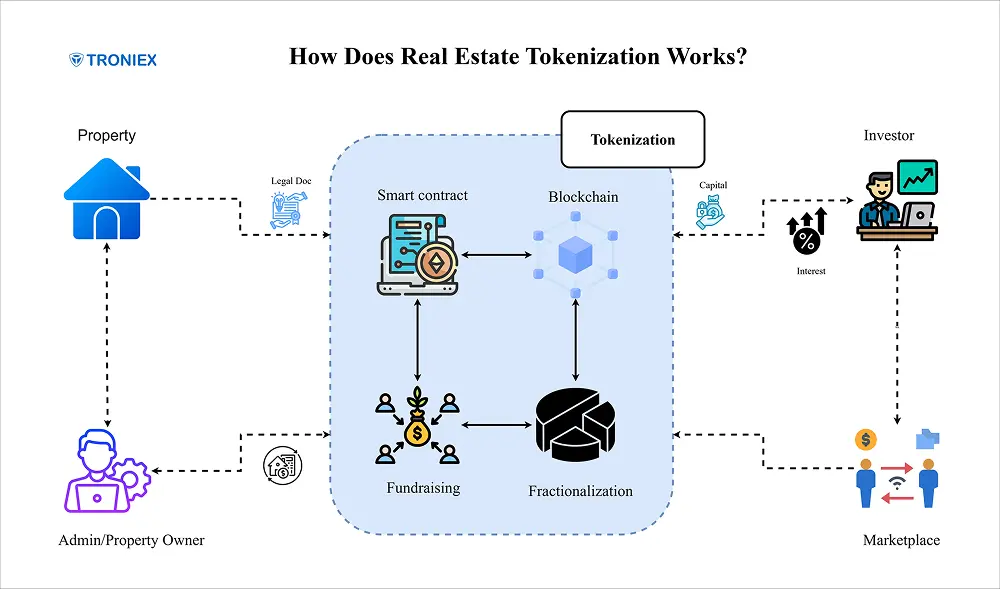
Look for third-party security audits from reputable firms like CertiK or OpenZeppelin. Ensure the platform has clear procedures for handling token transfers and secondary market liquidity. Verify that the blockchain used (e.g., Ethereum, Polygon) has a track record of stability.
Obtain a recent, independent appraisal of the underlying real estate asset. Check the track record of the property manager and their fee structure. Ensure there is a clear plan for property maintenance, insurance, and eventual exit strategy.
Common questions about tokenized real estate
Tokenized real estate remains a niche segment, representing less than 0.1% of the global property market despite rapid growth in platform volume. Before committing capital, clarify how these assets interact with broader market trends and established real estate principles.
No comments yet. Be the first to share your thoughts!