
Get tokenized real estate 2026 right
Tokenized real estate is moving from experimental pilot to institutional standard. Before allocating capital, you must verify that the underlying asset meets legal, technical, and operational standards. The difference between a viable investment and a stranded asset usually comes down to these three prerequisites.
Legal structure and jurisdiction
The token must represent a clear, enforceable ownership interest. Verify that the special purpose vehicle (SPV) holding the property is registered in a jurisdiction with established digital asset laws. Check whether the token is classified as a security under local regulations, such as the Howey Test in the US or MiCA in the EU. Ensure the operating agreement explicitly allows for secondary trading on registered digital asset trading facilities (DATFs).
Technology and liquidity
Confirm the token is issued on a regulated blockchain infrastructure. Look for platforms that provide automated compliance checks, including KYC/AML verification at the wallet level. Liquidity is the primary risk in real estate tokenization; verify that there is a functioning secondary market or a designated liquidity provider. Without a clear exit strategy or trading venue, your token is illiquid property, not a liquid asset.
Due diligence and custody
Third-party audits are non-negotiable. Require recent legal opinions, property appraisals, and smart contract security audits. Ensure that the physical title deed is held by a licensed custodian, not the issuer. Check if the platform offers insurance against title defects or property damage. Institutional investors now demand this level of transparency before committing capital.
How to tokenize real estate for institutional investment
Tokenizing real estate transforms a physical property into digital shares on a blockchain. This process allows fractional ownership, increases liquidity, and opens the market to institutional capital. With the RWA market surpassing $10B in 2026, following a structured workflow is essential for compliance and security.
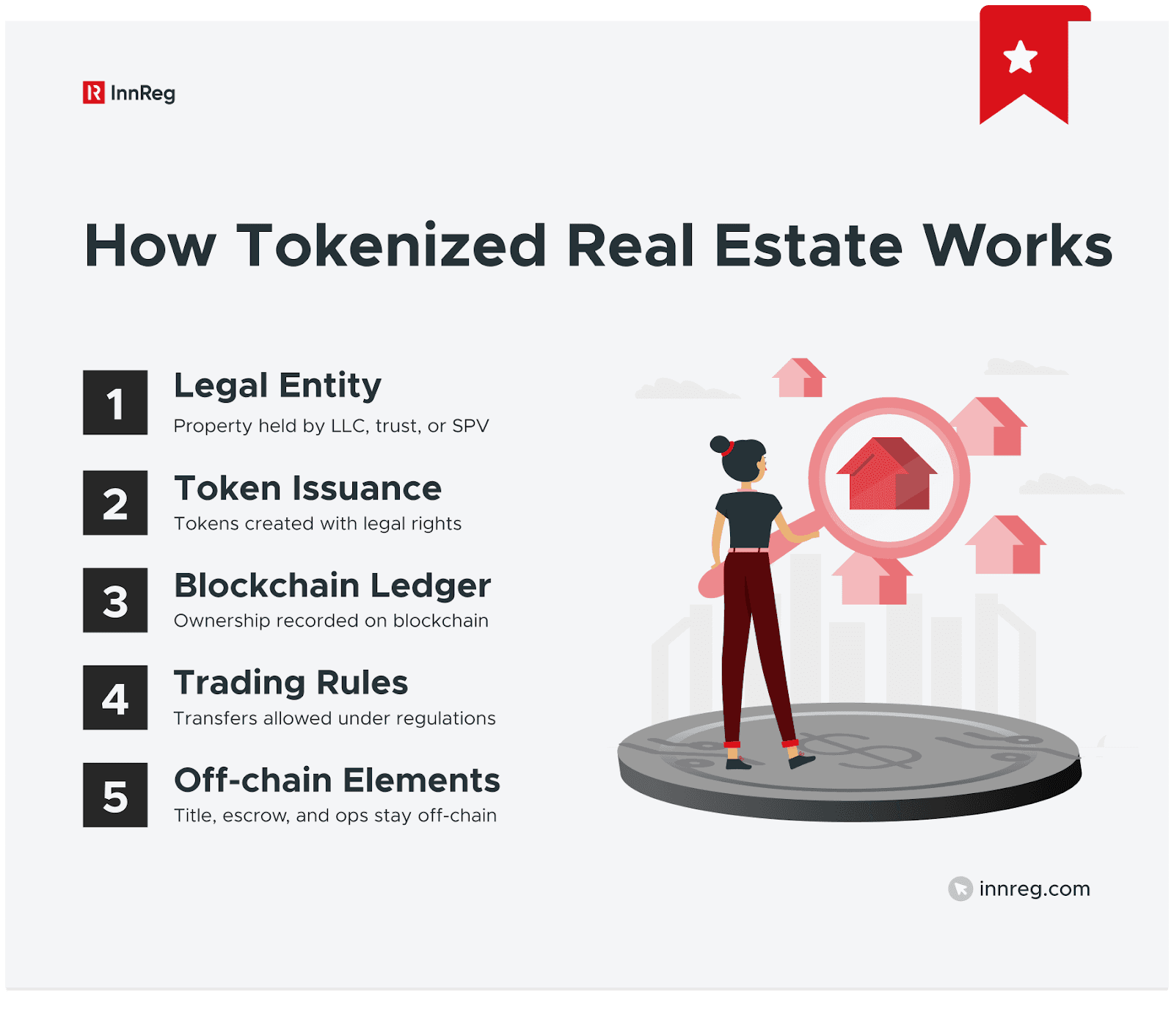
Begin by forming a Special Purpose Vehicle (SPV) to hold the property title. This entity isolates the asset from your other liabilities and defines the legal rights attached to the tokens. Ensure the SPV structure aligns with securities regulations in your jurisdiction, as this foundation dictates all subsequent token utility.
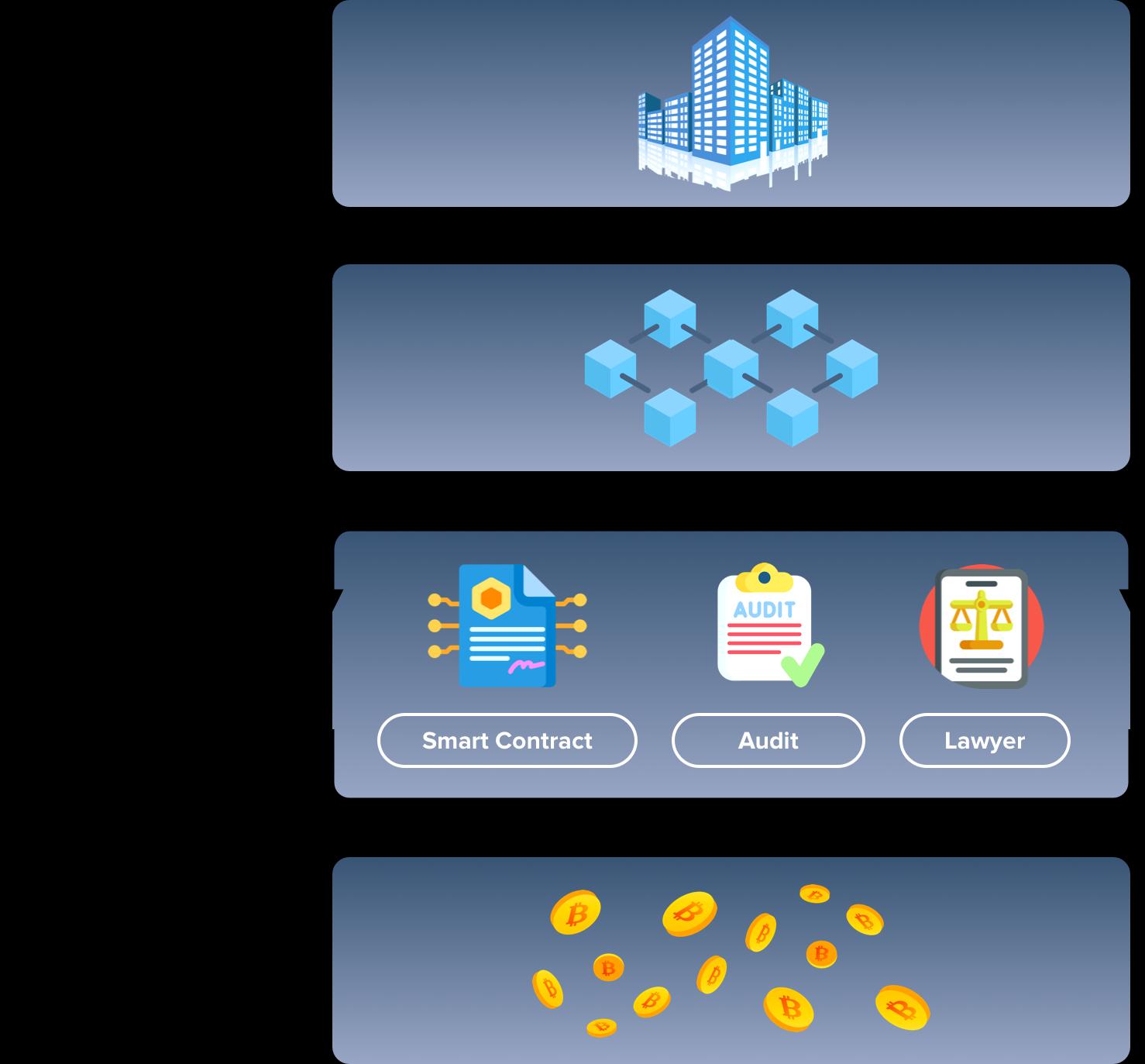
Perform rigorous financial and physical audits of the property. Institutional investors require verified property valuations, clear title reports, and detailed income projections. This step builds the data set that will be embedded into the token smart contract, ensuring transparency and trust for future buyers.

Choose a blockchain platform that supports regulatory compliance features. Look for integrated KYC/AML tools and support for security tokens rather than simple utility tokens. Platforms like Tokenizer or Ondo Finance provide the infrastructure needed to issue tokens that meet SEC or local securities standards.
Encode the ownership rules, dividend distribution, and voting rights into the smart contract. These contracts automate investor payouts and manage transfer restrictions. Have the code audited by a reputable security firm to prevent vulnerabilities that could compromise investor funds or legal standing.
Launch the token sale through a regulated Security Token Offering (STO). Verify all investor identities before allowing them to purchase. Once issued, tokens can be traded on secondary markets, providing the liquidity that traditional real estate lacks. Monitor the registry to ensure all transfers comply with holding period restrictions.
| Platform | Compliance Focus | Secondary Market |
|---|---|---|
| Tokenized | SEC Reg D/S | Private Marketplace |
| Ondo Finance | SEC Reg S | Institutional Networks |
| RealT | SEC Reg A+ | Retail Exchange |
Common Mistakes in Real Estate Tokenization
Even with institutional interest growing, many projects stumble on execution. The gap between a promising concept and a compliant, liquid asset often comes down to a few recurring errors. Avoiding these pitfalls is essential for protecting capital and ensuring regulatory alignment.
Ignoring Jurisdictional Fragmentation
Real estate is inherently local, but blockchain is global. A major mistake is assuming a single token structure works across borders. Securities laws in the US, EU, and Asia differ significantly regarding who can invest and how transfers are recorded. Failing to build jurisdictional gates into the smart contract or legal wrapper leads to frozen assets and potential regulatory crackdowns. Always structure tokens to respect the specific securities laws of each investor’s residence.
Overestimating Early Liquidity
Many issuers market tokenization as a solution for instant liquidity, but the secondary market for real estate tokens is still developing. Unlike publicly traded stocks, there are few deep, regulated exchanges for private real estate assets. Investors may find themselves unable to sell their tokens when they need to. Be realistic about lock-up periods and exit strategies. Design the tokenomics to reflect the illiquid nature of the underlying property, not the speculative speed of crypto.
Skipping Legal-Technical Alignment
A common technical error is treating the token as the sole evidence of ownership. In most jurisdictions, the token is merely a representation of rights defined in a separate legal entity (like an LLC). If the smart contract code does not accurately reflect the operating agreement or shareholder rights, the token becomes legally void. Ensure your legal counsel and developers work together from day one. The code must enforce the legal terms, not replace them.
Tokenized real estate 2026: what to check next
Tokenized real estate is moving from experimental pilots to institutional standard. With the market surpassing $10 billion in 2026, practical concerns about liquidity, regulation, and platform safety now dominate investor conversations. Here are the most common questions investors ask before committing capital.
No comments yet. Be the first to share your thoughts!