
Tokenized real estate moves from pilot to portfolio
The tokenized real estate market has completed its transition from experimental pilots to a recognized asset class. Real-world asset (RWA) tokenization grew from $5.5 billion in early 2025 to $29.2 billion by April 2026, marking a fivefold expansion in just twelve months [src-serp-4]. This growth is no longer driven by crypto-native speculation but by institutional capital seeking liquidity and fractional ownership in illiquid property markets.
Institutional adoption is accelerating at a pace that outstripped earlier forecasts. An EY-Parthenon and Coinbase survey found that 76% of firms intend to invest in some form of tokenized assets by 2026 [src-serp-3]. For specific exposure to real estate, the allocation targets are precise: institutional investors expect to allocate 5.6% of their portfolios to these assets, while high-net-worth individuals target 8.6% [src-serp-1]. This shift signals that tokenized real estate is becoming a standard line item in diversified investment strategies rather than a niche experiment.
RWA market cap trajectory
The following chart illustrates the rapid expansion of the broader RWA market, with real estate tokenization serving as a primary growth driver alongside stablecoins and government bonds.
Leading tokenization platforms in 2026
The tokenized real estate market is consolidating around specialized platforms rather than generic exchanges. In 2026, the most successful tokenization platforms distinguish themselves by targeting specific asset classes—residential, commercial, or industrial—and by integrating multi-chain infrastructure to maximize liquidity.

Platform selection depends on whether an investor seeks high-yield commercial exposure or fractional residential ownership. The following comparison highlights the leading tokenization platforms currently driving market volume, based on their asset focus, minimum entry points, and target investor profiles.
| Platform | Primary Asset | Min. Investment | Target Investor |
|---|---|---|---|
| Zoniqx | Commercial Real Estate (CRE) | $500 | Institutional & Accredited |
| RealT | Residential | $50 | Retail & Global |
| Lofty AI | Residential | $50 | Retail & Global |
| Propy | Mixed (Res/Comm) | Varies | Global Retail |
| Hacken | Security Infrastructure | N/A | B2B/Enterprise |
Zoniqx is positioning itself to capture a significant share of the $500 billion tokenized commercial real estate market by 2026, leveraging multi-chain expansions and ESG-focused offerings to attract institutional capital. Meanwhile, platforms like RealT and Lofty AI dominate the residential sector by lowering barriers to entry, allowing retail investors to purchase fractional ownership in US properties with as little as $50. This democratization of access is a primary driver of market growth, shifting real estate from a high-barrier asset class to a liquid, tradable commodity.
Regulatory clarity stabilizes the market
Regulatory frameworks in 2026 have shifted from experimental guidelines to established compliance structures, directly addressing the primary risk factor for high-stakes tokenized real estate assets. This clarity provides the institutional confidence needed for significant capital allocation, transforming tokenized real estate from a speculative niche into a regulated financial instrument.
Major jurisdictions have introduced specific rules for digital securities, focusing on investor protection and anti-money laundering protocols. These regulations ensure that tokenized properties adhere to the same rigorous standards as traditional real estate investments. For institutional investors, this regulatory certainty is essential for integrating digital assets into diversified portfolios without violating fiduciary duties.
The impact is measurable: institutional investors expect to allocate 5.6% of their portfolios to tokenized assets by 2026, with high-net-worth individuals targeting 8.6%. This growth is not driven by hype, but by the reduced friction and increased transparency that compliant platforms provide. When legal frameworks are clear, the barrier to entry lowers, and the market becomes more liquid and stable.
How fractional ownership creates liquidity
Traditional real estate is inherently illiquid. Selling a physical property often takes months of listing, inspections, and closing procedures. Tokenization changes this by splitting a property into digital tokens on a blockchain. Each token represents a fractional share of the underlying asset, allowing investors to buy and sell small portions rather than entire buildings.
This structure mirrors how public stocks work but applies it to real assets. Instead of waiting for a buyer who can afford the whole property, you can trade your tokens on secondary markets. These platforms operate like digital exchanges, enabling trades to settle in minutes or days rather than months. The result is significantly faster access to capital for both investors and property owners.
The growth in this sector reflects the demand for this liquidity. According to RWA.xyz, the total value of tokenized real-world assets grew to over $24 billion by February 2026, up from $5.5 billion in early 2025. This more than fourfold expansion shows how quickly the market is adopting on-chain trading to solve traditional real estate bottlenecks.
Investor checklist for tokenized assets
Before committing capital to real-world asset (RWA) platforms, you need a strict verification process. Tokenized real estate combines traditional property law with blockchain mechanics, creating unique risks that don't exist in standard equity investments. This workflow ensures you evaluate the legal structure, platform security, and asset backing before buying.
Confirm the issuer is registered with relevant financial authorities. In the US, this means checking SEC filings for Regulation D or Regulation A+ compliance. Legitimate platforms provide clear links to their offering memorandums and legal opinions. If the platform cannot produce a valid offering statement, walk away immediately.
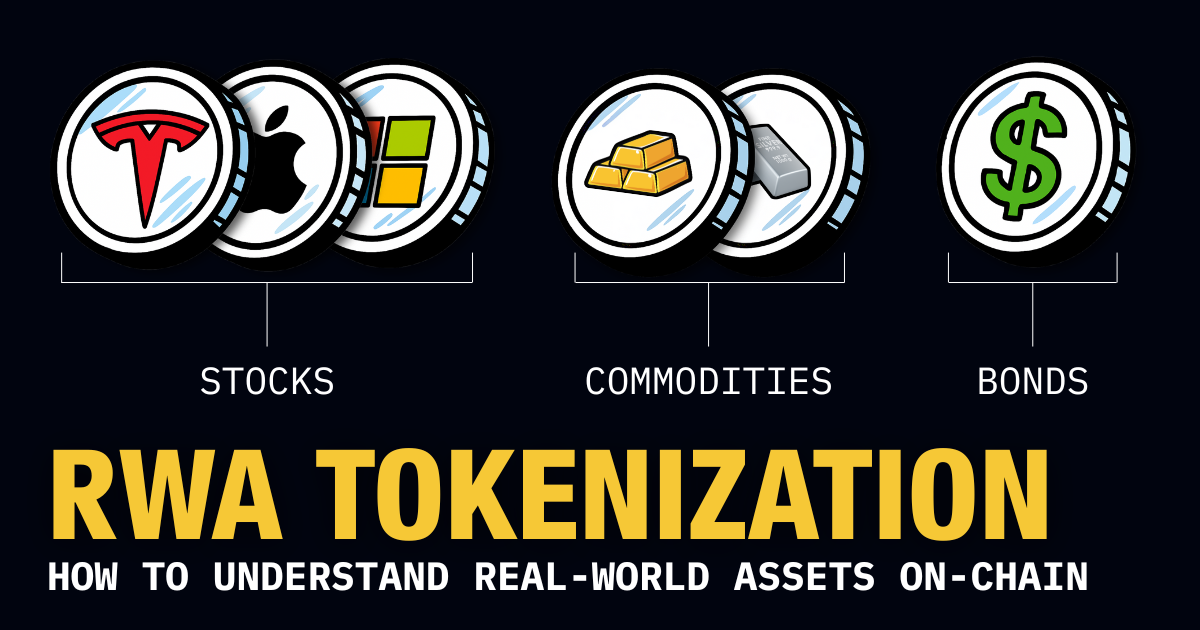
Real estate tokens are usually backed by a Special Purpose Vehicle (SPV) or LLC. You must verify that this entity holds the title to the property. Check that the SPV is independent of the platform itself. If the platform goes bankrupt, your token should remain safe because it is tied to the property, not the company's balance sheet.
Unlike stocks, tokenized real estate is not instantly liquid. Review the secondary market rules: are transfers restricted to other accredited investors? Is there a mandatory holding period? Understand how you will exit. Some platforms offer buyback programs, while others rely on peer-to-peer trading, which can be slow and uncertain.
Tokenized properties still require physical management. Identify who handles repairs, tenants, and insurance. Look at the fee schedule: platform fees, asset management fees, and performance fees. High fees can erode your returns significantly over time. Ensure the management team has a track record in the specific property type you are buying.
| Feature | Traditional REIT | Tokenized Real Estate |
|---|---|---|
| Minimum Investment | $1,000-$10,000 | $50-$500 |
| Liquidity | Daily (Market Hours) | Variable (Platform Dependent) |
| Fractionalization | Yes | Yes |
| Transparency | Quarterly Reports | Real-Time Ledger |
Key takeaways
- Always verify SEC or local regulatory registration before investing.
- Ensure the token is backed by an independent SPV holding the property title.
- Understand the exit strategy and secondary market restrictions upfront.
- Compare management fees against potential returns to ensure profitability.
Frequently Asked Questions About RWA
What is the future of tokenized real estate?
The market is expanding rapidly. Real-world asset (RWA) tokenization grew from $5.5 billion in early 2025 to $29.2 billion by April 2026, representing a fivefold increase in just one year. This growth signals a shift from experimental pilots to institutional adoption, with platforms focusing on multi-chain interoperability and regulatory compliance.
Is tokenized real estate worth the investment?
Institutional interest is driving validation. An EY-Parthenon and Coinbase survey found that 76% of firms intend to invest in tokenized assets by 2026. HNW individuals are also increasing allocations, with expectations to hold 8.6% of their portfolios in these digital assets. The primary value proposition remains fractional ownership, which lowers entry barriers and improves liquidity for illiquid property markets.
What is the outlook for real estate investment in 2026?
Capital allocation is accelerating. By 2026, institutional investors plan to allocate 5.6% of their portfolios to tokenized assets. The broader tokenized CRE market, valued at $500 billion, is seeing active competition from platforms like Zoniqx, which aims to capture 10% of this share through ESG-focused offerings and cross-chain expansions.
Who is leading the tokenization space?
Leading platforms are building specialized infrastructure for fractional ownership. Key players include Zoniqx, focused on multi-chain scalability, and SCNsoft, which provides comprehensive investment tools. These platforms enable the purchase of fractional interests in residential, commercial, and industrial properties, moving the industry beyond theoretical models to active trading environments.
No comments yet. Be the first to share your thoughts!