
Market growth versus adoption reality
The narrative around tokenized real estate in 2026 is defined by a stark disconnect between aggregate growth and actual asset penetration. Total real-world asset (RWA) tokenization has expanded rapidly, growing from $5.5 billion in early 2025 to $29.2 billion by April 2026, according to Altrady. This fivefold increase signals strong capital flow into the broader RWA category, which includes government bonds and stablecoins.
However, real estate remains a tiny fraction of this expansion. Forbes notes that tokenized real estate still represents less than 0.1% of the roughly $300 trillion global property market. The infrastructure gap is significant. While the total RWA market is surging, the specific vertical of property tokenization has not yet achieved the liquidity or regulatory clarity needed to move beyond niche pilot programs.
Despite this minimal current share, institutional and high-net-worth (HNW) expectations are shifting. Research from ScienceSoft indicates that by 2026, institutional investors plan to allocate 5.6% of their portfolios to tokenized assets, with HNW individuals targeting 8.6%. Real estate is cited as the second most attractive asset class for these groups, trailing only tokenized treasury bills.
This divergence between anticipated allocation and actual deployment highlights the current stage of the market. The capital is present, but the mechanisms for scaling tokenized real estate to compete with traditional REITs or direct ownership are still maturing. The growth seen in the $29.2 billion RWA figure is largely driven by fixed-income assets, not property.
Leading platforms for fractional ownership
The market for tokenized real estate is fragmenting into specialized tiers as institutional capital seeks specific risk-adjusted returns. By 2026, institutional investors expect to allocate 5.6% and high-net-worth individuals 8.6% of their portfolios to tokenized assets, with real estate ranking as the second most attractive asset class for both groups.
| Platform | Primary Asset | Min. Investment | Regulatory Focus |
|---|---|---|---|
| Zoniqx | Commercial (CRE) | $25,000 | Global / Multi-chain |
| RealT | Residential | $50 | US (Reg D/S) |
| Lofty AI | Short-term Rental | $50 | US (Reg D) |
| Securitize | Institutional / Multi-asset | $100,000+ | Global (Reg S) |
Zoniqx is targeting the commercial real estate (CRE) segment, aiming to capture 10% of the $500 billion tokenized CRE market through multi-chain expansions and ESG-focused offerings. This approach appeals to investors seeking higher-yield commercial assets with stricter compliance frameworks.
In the residential space, RealT and Lofty AI dominate by lowering barriers to entry with minimum investments as low as $50. RealT focuses on long-term rental properties, while Lofty AI specializes in short-term rental income, allowing for daily dividend distributions. These platforms leverage US regulations (Reg D and Reg S) to provide liquidity to accredited and non-accredited investors alike.
The infrastructure gap remains a significant hurdle. While platforms like Securitize provide institutional-grade tokenization for high-net-worth individuals with minimums exceeding $100,000, the technology for seamless secondary market trading is still maturing. Investors should carefully evaluate the regulatory jurisdiction and liquidity options before committing capital to any tokenized real estate platform.
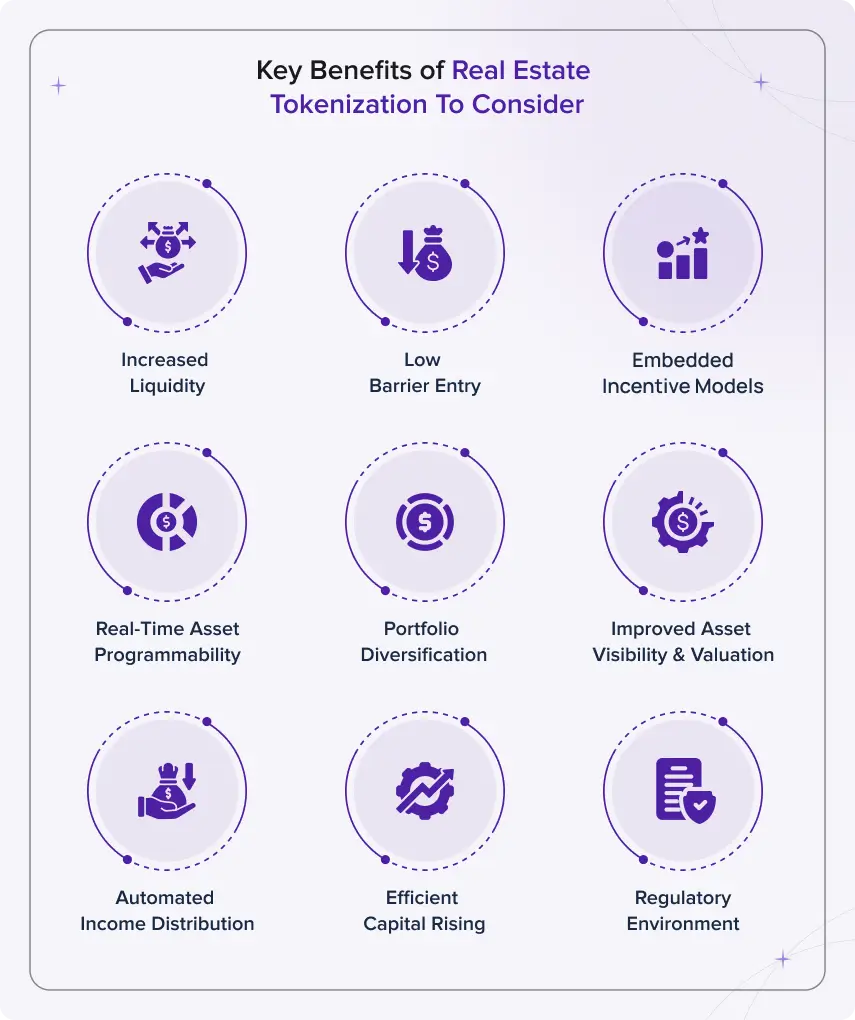
Institutional allocation targets for 2026
Institutional capital is moving toward tokenized real estate with measured precision. By 2026, institutional investors expect to allocate 5.6% of their portfolios to tokenized assets, while high-net-worth (HNW) individuals target 8.6% [ScienceSoft]. This shift reflects a strategic pivot within the broader real-world asset (RWA) narrative, where digital tokens offer fractional ownership and improved liquidity for traditionally illiquid property markets.
Real estate remains a cornerstone of this transition. Both HNW investors (49%) and institutional investors (56%) cite real estate as their second most attractive tokenized asset class, trailing only government bonds in preference [ScienceSoft]. The appeal lies in the potential to democratize access to high-value commercial and residential properties, allowing smaller investors to participate in markets previously reserved for large capital funds.
However, these targets are not without friction. The sector faces a significant infrastructure gap, particularly in cross-border regulatory compliance and interoperable blockchain standards. While tokenization can dramatically increase housing market liquidity, it also amplifies price volatility and alters traditional risk profiles [ScienceDirect]. Investors must navigate these regulatory hurdles carefully, as the legal frameworks governing digital property rights are still evolving across major jurisdictions.
Regulatory hurdles and infrastructure gaps
Despite the technological maturity of blockchain networks, tokenized real estate remains a niche asset class rather than a mainstream investment vehicle. The primary barrier is not technical capability, but the absence of a unified legal framework. As noted by Forbes, tokenized real estate still represents far less than 0.1% of the roughly $300 trillion global property market, a figure that underscores the chasm between potential and current reality.
Regulatory fragmentation complicates cross-border transactions. Unlike equities, which benefit from established international clearing standards, real estate is governed by local jurisdictions with varying property laws. This creates a compliance burden that institutional investors find difficult to navigate at scale. While some jurisdictions are experimenting with specific token laws, the lack of harmonization means that a tokenized property in one region cannot easily be traded or settled in another without significant legal overhead.
The infrastructure gap is equally pronounced in the secondary market. Tokenization promises increased liquidity, but without deep, regulated exchanges, tokens often remain illiquid. Research from ScienceDirect warns that while tokenization can dramatically increase housing market liquidity in theory, it may also amplify price volatility in practice if trading occurs on thin, unregulated order books. This uncertainty deters large-scale adoption by conservative capital allocators.
Investor sentiment reflects this caution. According to industry data, while 56% of institutional investors and 49% of high-net-worth individuals view real estate as their second most attractive tokenized asset option, actual allocations remain low. Institutional investors expect to allocate 5.6% and HNW individuals 8.6% of their portfolios to tokenized assets by 2026. However, these targets are contingent on resolving the regulatory and liquidity issues that currently stifle the market.
Until regulatory clarity improves and secondary market infrastructure matures, tokenized real estate will likely remain a specialized instrument for sophisticated investors rather than a democratized asset class.
Evaluating tokenized real estate investments
Evaluate tokenized real estate investments
Assessing tokenized real estate requires moving beyond marketing promises to examine the underlying mechanics. While institutional investors expect to allocate 5.6% and high-net-worth individuals 8.6% of their portfolios to tokenized assets by 2026, real estate remains the second most attractive option for both groups only if the infrastructure supports it.
You must verify the legal structure first. Tokenization converts asset ownership or economic rights into digital tokens on a blockchain ledger, but the enforceability of those rights depends on the jurisdiction and the special purpose vehicle (SPV) holding the property. Without clear legal pathways for foreclosure or dividend distribution, the digital token is merely a speculative instrument, not a property claim.
Liquidity is often overstated. Unlike public equities, tokenized real estate lacks a deep, continuous secondary market. You must review the platform’s transfer restrictions, lock-up periods, and buyback provisions. If the platform does not provide a clear exit strategy, your capital is effectively locked until the property is sold or refinanced, negating the perceived benefit of fractional trading.
Yield sustainability depends on the underlying asset’s performance, not the token’s price action. Tokenization can drive up property valuations by expanding the investor pool, but it does not magically increase rental income. Scrutinize the property’s historical cash flow, occupancy rates, and management fees. If the yield relies on speculative appreciation rather than operational income, the investment carries disproportionate risk.
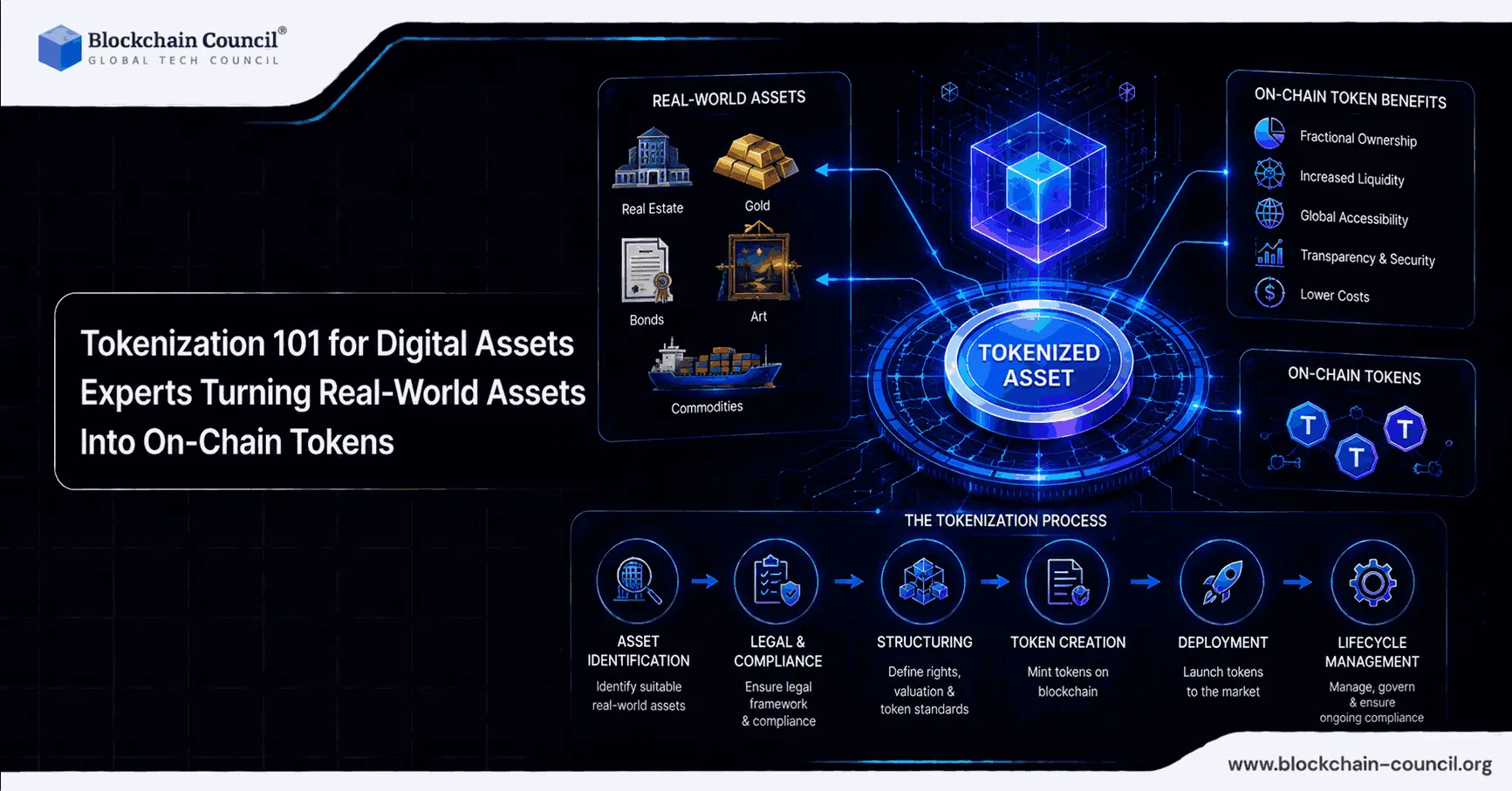
Confirm the jurisdiction and SPV structure. Ensure the token represents a legal claim to the underlying property or its revenues, and that dividends are distributed automatically via smart contracts or verified by a trustee. Check if the platform complies with local securities laws, such as Regulation D or Reg A+ in the US.
Review transfer restrictions and secondary market availability. Identify any lock-up periods, minimum holding times, or approval requirements for selling tokens. Determine if the platform offers a buyback program or if you must find a private buyer, which can take months or years.
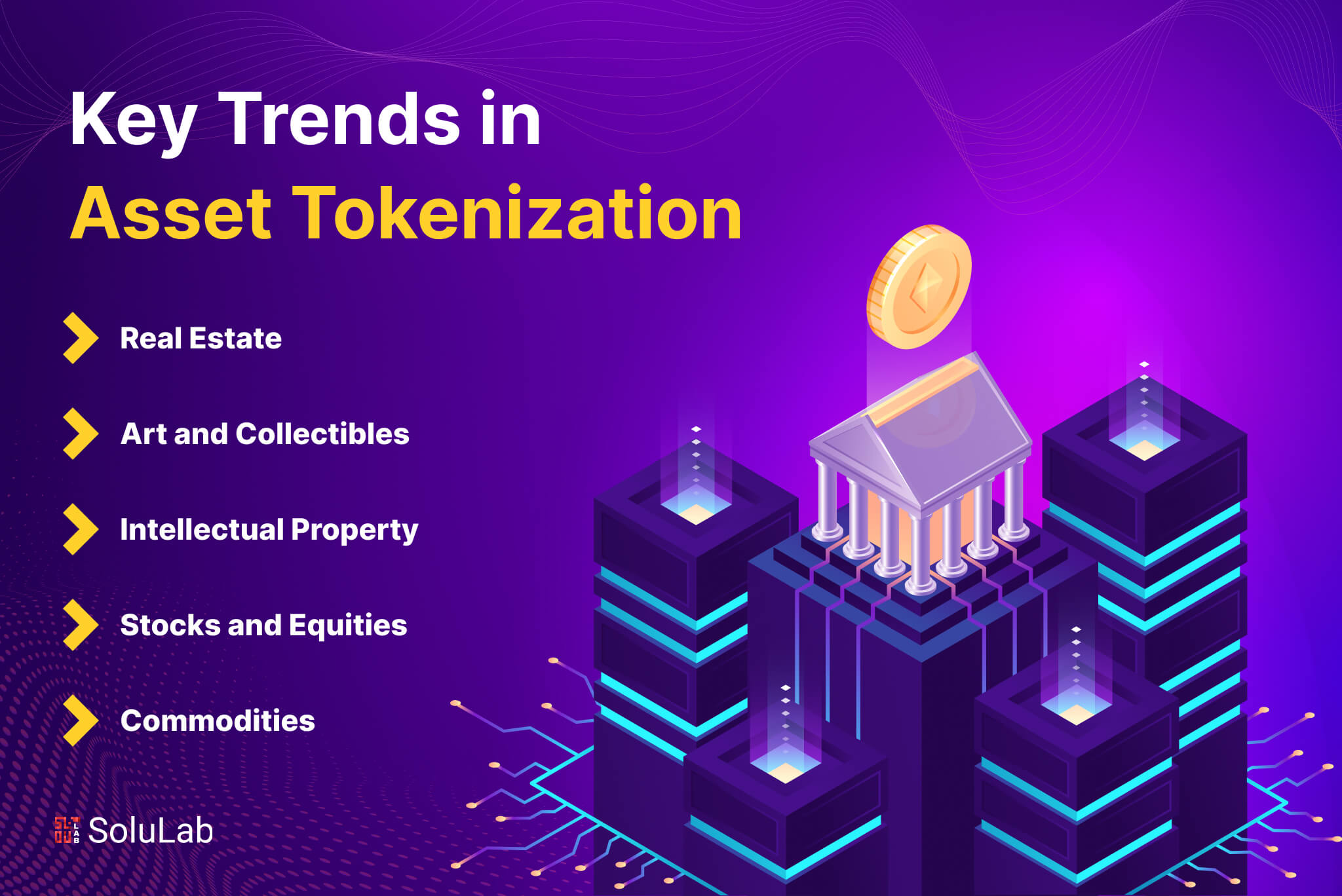
Analyze the property’s operational metrics. Look beyond the projected annual percentage yield (APY) to examine historical cash flow, occupancy rates, and management fees. Ensure the yield is derived from stable rental income rather than speculative appreciation or leverage.
-
Legal structure reviewed and compliant with local securities laws
-
Secondary market exit strategy clearly defined
-
Underlying property cash flow verified and stress-tested
-
Platform’s smart contract audit completed and accessible
Common questions about property tokenization
The market for tokenized assets is shifting from experimental pilots to structured allocation. While the promise of fractional ownership and liquidity remains strong, the infrastructure to support it is still maturing. Here are the most frequent questions regarding the current state and future of property tokenization.
No comments yet. Be the first to share your thoughts!