
How tokenized real estate works in 2026
Real estate tokenization in 2026 operates through a structured compliance framework that integrates regulatory requirements directly into the blockchain protocol. This approach ensures that digital ownership mirrors traditional securities law, reducing legal ambiguity for issuers and investors. The following analysis details the technical standards, platform selection criteria, and institutional adoption trends that define this market.
The ERC-3643 compliance standard
By 2026, ERC-3643, also known as T-REX, has established itself as the gold standard for tokenizing real estate assets. Unlike earlier token standards that treated compliance as an external layer, ERC-3643 embeds regulatory logic directly into the smart contract. This structural shift ensures that the blockchain itself enforces SEC requirements, reducing legal ambiguity for issuers and investors alike.
The core advantage of this standard lies in its ability to restrict token ownership to verified wallets. Before a transfer can execute, the contract checks the identity and accreditation status of both the sender and receiver. If either party lacks the necessary regulatory clearance, the transaction is automatically rejected. This built-in guardrail prevents accidental violations and simplifies the audit trail for compliance officers.
This approach contrasts sharply with older standards that relied on off-chain registries or manual checks. Those legacy methods often created friction, slowing down transactions and increasing the risk of human error. With ERC-3643, compliance is seamless and immediate, allowing institutional investors to move capital with the speed of digital assets while maintaining the rigor of traditional securities law.
The adoption of this standard aligns with broader market trends. Institutional investors and high-net-worth individuals increasingly view real estate tokenization as a viable asset class, with significant portfolio allocations expected by 2026. As the market matures, the reliability of ERC-3643’s embedded compliance mechanisms will likely determine which platforms gain institutional trust.
Leading platforms for fractional ownership
Selecting a platform for fractional real estate ownership requires rigorous due diligence. Investors must evaluate platforms based on their regulatory adherence, technical infrastructure, and transparency. The following comparison table outlines the critical factors to assess when choosing a tokenization provider.
| Factor | What to check | Why it matters |
|---|---|---|
| Fit | Match the option to the primary use case. | A good deal still fails if it does not fit the job. |
| Condition | Verify age, wear, and service history. | Hidden condition issues erase upfront savings. |
| Cost | Compare purchase price with likely upkeep. | The cheapest option is not always the lowest-cost option. |
Institutional adoption and market trends
The trajectory toward real estate tokenization is defined by institutional adoption targets rather than speculative interest. By 2026, institutional investors plan to allocate 5.6% of their portfolios to tokenized assets, while high-net-worth (HNW) individuals target an 8.6% allocation.
This structural shift is driven by tangible utility. Both HNW investors (49%) and institutional investors (56%) identify real estate as their second most attractive asset class for tokenization, following only private equity. This consensus signals that tokenization is transitioning from a novel experiment to a standard component of diversified investment strategies.
Verify SEC compliant offerings
Before allocating capital, investors must confirm that the tokenized structure adheres to current Securities and Exchange Commission regulations. In 2026, the ERC-3643 (T-REX) standard has become the regulatory baseline, embedding compliance logic directly into the smart contract to enforce investor eligibility and transfer restrictions. This technical requirement ensures that digital ownership mirrors traditional securities law.
Use this checklist to validate any offering:
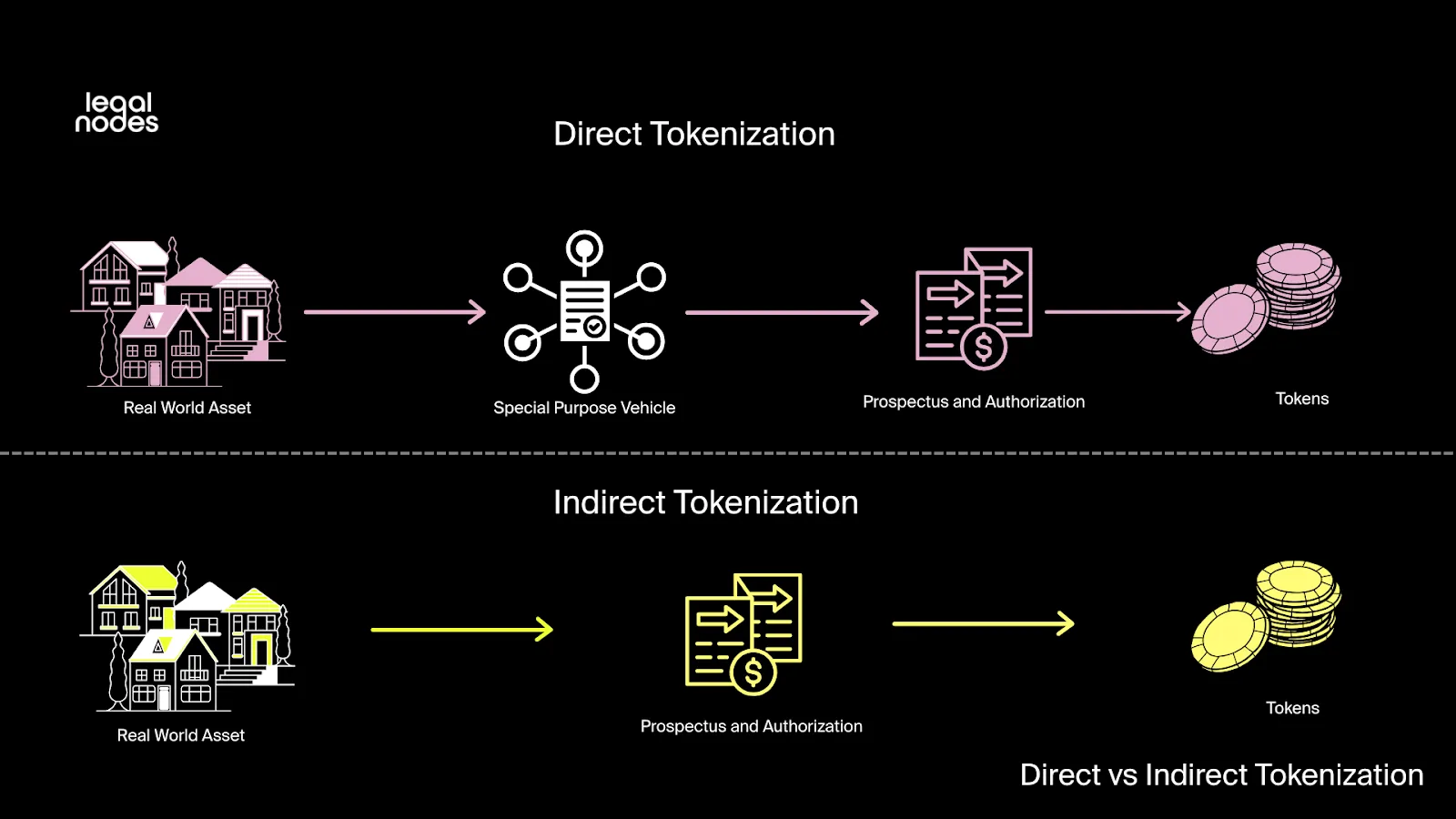
Verify that the issuer has filed the appropriate exemption form, such as Regulation D for private placements or Regulation A+ for public offerings. Legitimate deals will display these filings in the SEC’s EDGAR database. Avoid platforms that obscure their registration status or rely on vague "utility" claims to bypass securities laws.

Ensure the token utilizes the ERC-3643 standard. This protocol allows for on-chain compliance checks, automatically blocking transfers to unverified or prohibited wallets. Tokens lacking this standard may fail to meet the technical requirements for regulatory adherence in the current legal framework.

Confirm that the platform uses a reputable Know Your Customer (KYC) and Anti-Money Laundering (AML) provider. High-stakes real estate investments require rigorous identity verification. The platform should seamlessly integrate this data with the blockchain to ensure that only accredited or qualified investors can hold the tokens.

Demand an independent audit of the smart contract from a recognized security firm. The audit report should be publicly available and recent. This step verifies that the code functions as intended and lacks vulnerabilities that could compromise investor funds or regulatory compliance mechanisms.
Is real estate going to be tokenized?
The trajectory toward real estate tokenization is defined by institutional adoption targets rather than speculative interest. By 2026, institutional investors plan to allocate 5.6% of their portfolios to tokenized assets, while high-net-worth (HNW) individuals target an 8.6% allocation.
This structural shift is driven by tangible utility. Both HNW investors (49%) and institutional investors (56%) identify real estate as their second most attractive asset class for tokenization, following only private equity. This consensus signals that tokenization is transitioning from a novel experiment to a standard component of diversified investment strategies.
No comments yet. Be the first to share your thoughts!