
What is real estate tokenization in 2026
Real estate tokenization converts physical property rights into digital tokens on a blockchain, enabling fractional ownership without the need for millions in capital. Unlike traditional Real Estate Investment Trusts (REITs), where shares are managed by a third-party company, tokenization uses blockchain ledgers to directly record ownership stakes, offering greater transparency and potentially faster settlement times.
The mechanism relies on smart contracts—self-executing code agreements that automate tasks like distributing rental income or managing voting rights. When a tenant pays rent, the smart contract splits the payment and sends it to every token owner’s digital wallet automatically.
By 2026, this technology has become a standard method for accessing real estate markets, allowing investors to diversify portfolios with actual physical assets rather than just financial derivatives.
How to choose a compliant tokenization platform
Selecting the right platform is the most critical step in fractional property investing. The market is fragmented, with platforms operating under vastly different regulatory frameworks that determine the legality of your investment and how ownership is recorded.
Start by verifying the platform’s license. In the European Union, look for authorization under MiFID II or specific national securities licenses. In the United States, platforms must typically register with the SEC or operate under Regulation A+ or Regulation D exemptions. Never invest on a platform that cannot clearly state its regulatory status.
| Platform | Regulatory Status | Min. Investment | Primary Assets |
|---|---|---|---|
| RealT | SEC Reg A+ | $25 | US Residential |
| Lofty AI | SEC Reg D | $10,000 | US Short-Term Rentals |
| tZERO | SEC Reg S/D | $10,000 | Global Commercial |
| Stobox | BaFin (DE) | €2,000 | EU Commercial |
Beyond compliance, assess the platform’s reputation and liquidity options. Established platforms like RealT and tZERO have longer track records and clearer secondary market mechanisms. Newer platforms may offer higher yields but carry greater counterparty risk. Always check if the platform provides a secondary market for selling tokens, as liquidity in tokenized real estate is not guaranteed.
Steps to buy your first tokenized property
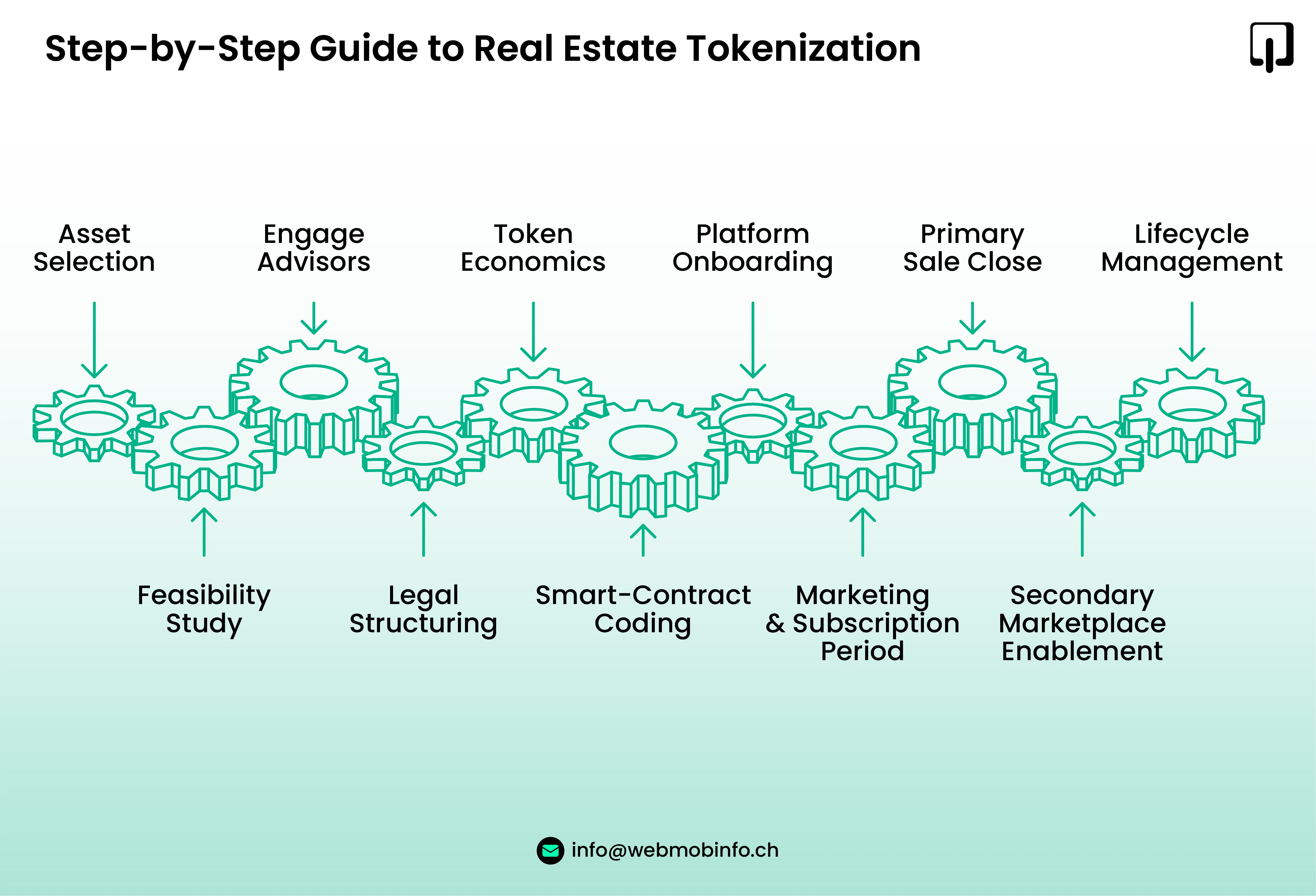
Buying fractional property through real estate tokenization follows a structured digital workflow. The process mirrors traditional brokerage accounts but operates on a blockchain, requiring specific identity verification and wallet connectivity.
Before accessing any investment, you must complete Know Your Customer (KYC) and Anti-Money Laundering (AML) checks. Platforms require government-issued identification and proof of address to ensure compliance with financial regulations. This step confirms your accreditation status if the property is restricted to qualified investors. Verification typically takes 24–48 hours, so complete this before browsing assets to avoid delays.
Link a bank account or wire transfer to your platform dashboard. Most tokenized real estate deals require a minimum initial investment, often ranging from $1,000 to $25,000 depending on the issuer. Funds are held in a custodial account until the transaction closes. Ensure your account has sufficient liquidity, as transfers can take 2–5 business days to clear.
Browse available properties in the platform’s marketplace. Each listing provides detailed financials, including projected cash flows, cap rates, and property location. Review the offering memorandum carefully. Once you identify a suitable fractional property, check the minimum token purchase amount and the closing date. Tokens represent equity or debt shares in the underlying real estate asset.
Confirm your investment amount and review the transaction details. You will sign a digital subscription agreement electronically. The platform then processes the payment and mints the corresponding tokens on the blockchain. This step finalizes your legal ownership stake in the property. Keep a record of the transaction hash for your personal records and tax reporting.
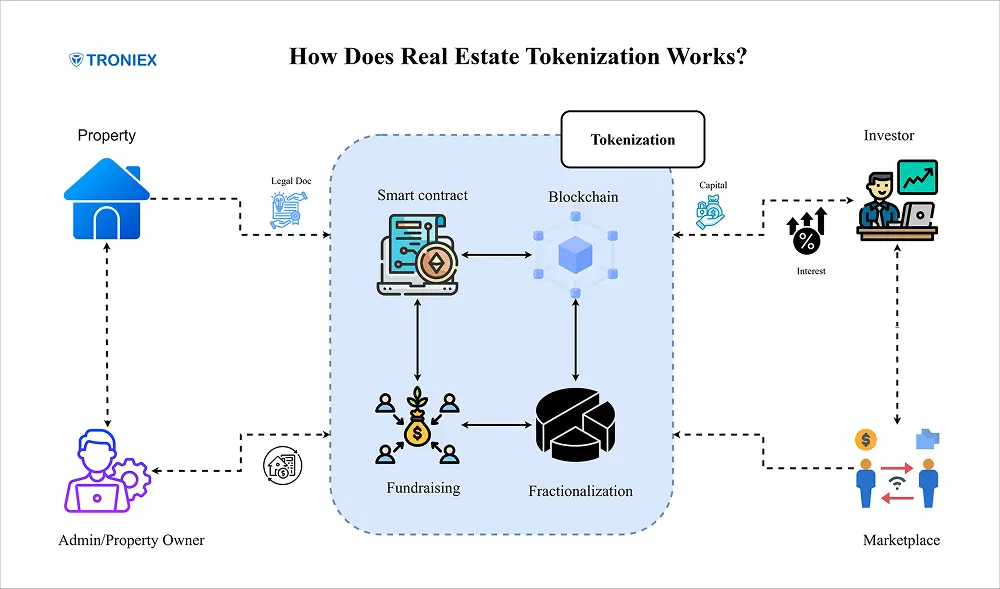
After the transaction closes, your digital tokens appear in your platform wallet. These tokens serve as proof of ownership and may be used to receive quarterly dividend payments or vote on property management decisions. Some platforms offer secondary markets where you can sell your tokens, though liquidity varies. Monitor your dashboard for distribution updates and tax documents.
Legal structures and investor protections
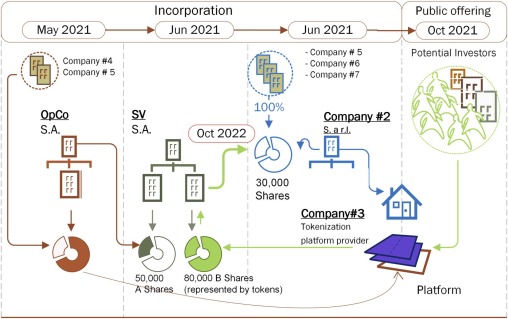
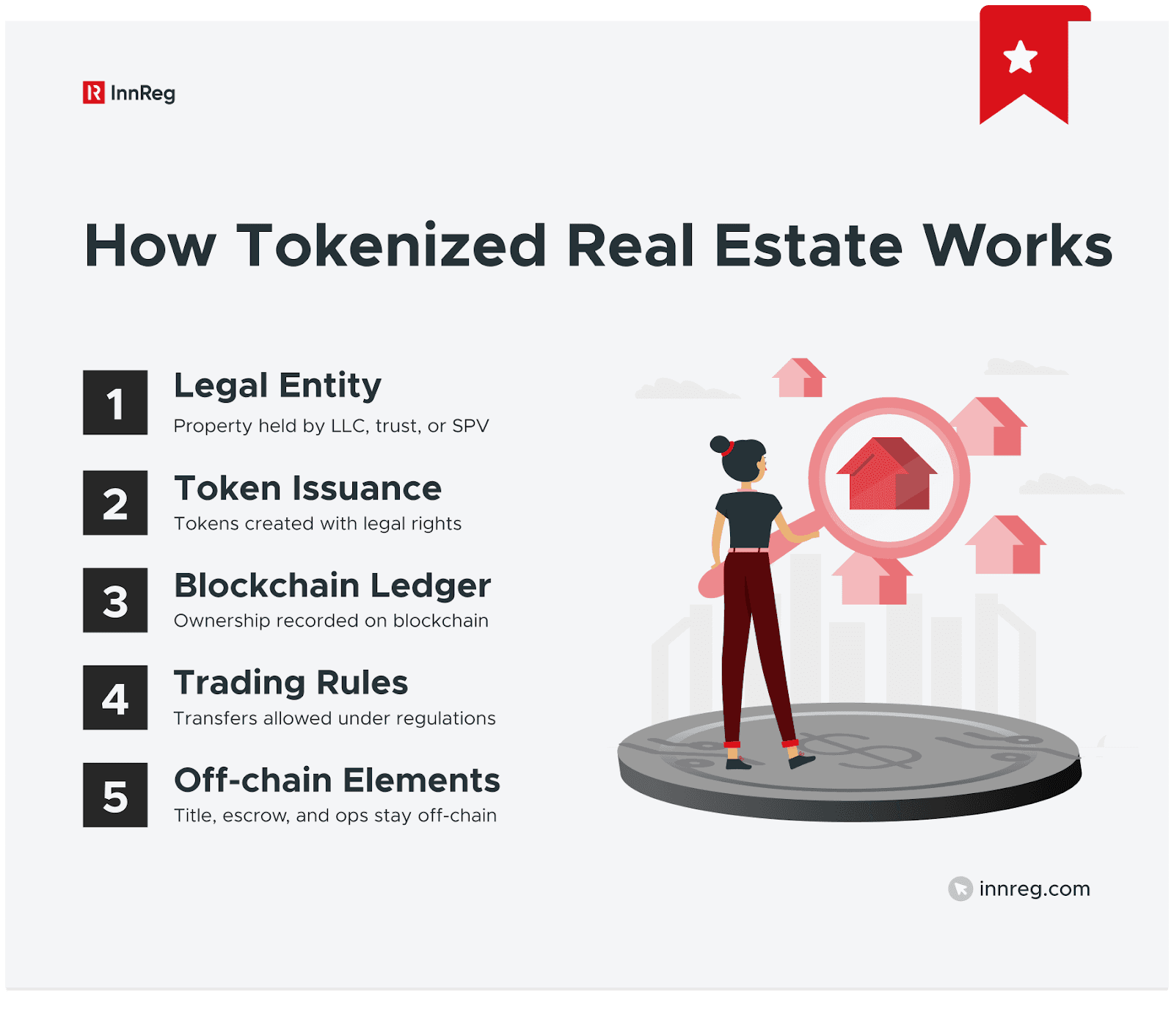
When you buy a tokenized property, you are not buying a digital receipt; you are buying a slice of a legal entity that owns the building. This structure is the foundation of investor protection. Without a clear legal bridge between the blockchain and real-world property law, your token is just code with no claim on the asset.
The role of the Special Purpose Vehicle
The standard model uses a Special Purpose Vehicle (SPV), typically a Limited Liability Company (LLC) or limited partnership. The SPV holds the legal title to the physical property. When you purchase a token, you are buying shares or membership units in this SPV. This separation ensures that the property’s assets are ring-fenced from the platform’s corporate risks. If the platform goes bankrupt, your ownership interest in the property remains secure because it is held by the SPV, not the issuer.
Always verify that the token is backed by a Special Purpose Vehicle (SPV) that holds the legal title to the underlying property.
Smart contracts as operational tools
Smart contracts automate the distribution of rights and responsibilities. They handle the flow of rental income to token holders and manage voting rights for major property decisions. However, code alone cannot enforce property rights. The smart contract must be legally recognized in the jurisdiction where the property sits. Look for platforms that have integrated their code with traditional legal frameworks, ensuring that digital transfers are recorded in local land registries.
Due diligence checklist
Before investing, confirm the following:
- SPV Formation: Is the SPV registered in a favorable jurisdiction?
- Audited Financials: Does the SPV have regular, independent audits of its property holdings?
- Legal Opinions: Has a law firm provided an opinion linking the token to the SPV’s equity?
- Exit Mechanisms: How are tokens redeemed or transferred? Is there a secondary market or a buyback clause?
The legal structure is your primary defense. It transforms a speculative digital asset into a tangible investment with enforceable rights.
Risks and liquidity realities in 2026
Tokenized real estate offers fractional ownership, but it is not a liquid asset class like stocks. The secondary markets for these tokens are still developing, meaning you cannot always sell your position instantly when cash is needed. While blockchain technology enables faster settlement than traditional deeds, the actual ability to find a buyer depends on active trading platforms and specific legal structures.
Regulatory uncertainty remains the primary hurdle for widespread adoption. Governments are still defining how securities laws apply to blockchain-based property shares. This means the legal framework protecting your investment can change, potentially affecting your rights as a token holder. Traditional real estate has centuries of legal precedent, whereas tokenized assets operate in a gray area that varies by jurisdiction.
Institutional interest is growing, with estimates suggesting high-net-worth individuals may allocate up to 8.6% of their portfolios to tokenized assets by 2026. However, this growth does not guarantee liquidity. Most tokenized properties are designed for long-term holding, with dividends paid out quarterly or annually. Selling early often requires waiting for a specific market event or accepting a discount to attract buyers. Always verify the exit strategy before investing.
Checklist before you invest in tokens
Before committing capital to fractional property, verify the legal and operational foundation of the offering. Real estate tokenization relies on strict regulatory frameworks to protect investors, so skipping due diligence can lead to illiquid assets or legal complications.
- Regulatory Status: Confirm the platform complies with local securities laws, such as MiFID II in the EU or SEC regulations in the US.
- SPV Structure: Ensure the property is held in a Special Purpose Vehicle (SPV) that legally isolates your tokens from the issuer’s other assets.
- Liquidity Terms: Check secondary market rules; many tokens are locked for years or trade on limited exchanges with low volume.
- Fee Schedule: Identify all costs, including acquisition fees, management percentages, and exit charges that erode returns.
- Exit Strategy: Verify the buyback mechanism or resale process to ensure you can convert tokens back to cash when needed.
No comments yet. Be the first to share your thoughts!