
How fractional property ownership works
Tokenized real estate turns a physical building into digital shares on a blockchain. Instead of buying one entire property, you buy tokens that represent a fraction of the asset. If a building is worth $10 million, a platform might split it into 10 million tokens worth $1 each. This structure mirrors traditional real estate investment trusts (REITs), but with the added layer of blockchain technology.
The process begins when a property owner or special purpose vehicle (SPV) lists a building on a platform like RealT or Lofty. These platforms handle the legal structuring, ensuring the tokens are backed by actual deeds or ownership rights. Once the property is tokenized, the shares become tradable on secondary markets. This liquidity is the primary draw for 2026 investors, as it allows you to sell your stake in days rather than months.
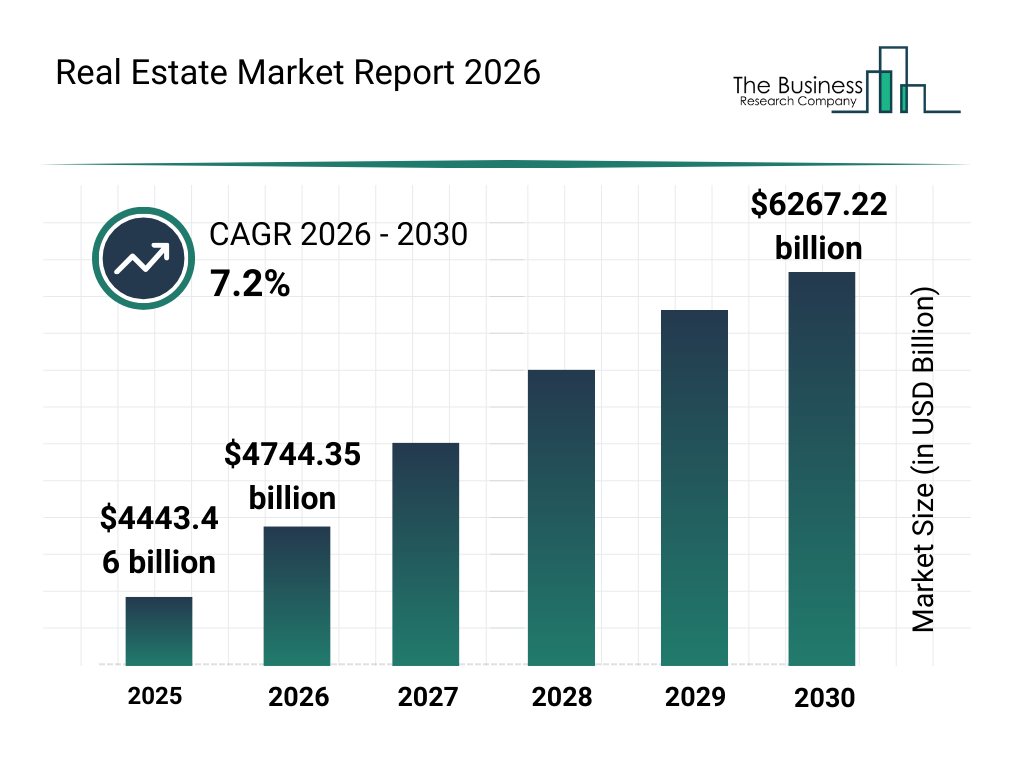
For investors, this means lower barriers to entry. You no longer need hundreds of thousands of dollars to diversify across multiple markets. However, the market is still nascent. While Deloitte projects $4 trillion in tokenized real estate by 2035, current adoption remains small compared to the $300 trillion global property market.
Platforms like Propy focus on cross-border transactions, using blockchain to streamline title transfers and reduce closing costs. Meanwhile, RealT offers fractional ownership of rental properties in the US, distributing monthly rent directly to token holders. These concrete examples show how the technology is being applied today, moving beyond theoretical models to functional investment vehicles.
Top residential tokenization platforms
Residential tokenization platforms let you buy fractional shares of single-family homes or small apartment buildings. This model lowers the barrier to entry, allowing investors to start with hundreds or thousands of dollars rather than the full purchase price. For beginners, these platforms offer a simpler way to gain exposure to real estate without managing tenants or repairs.
The market for tokenized real estate is expanding rapidly. Deloitte estimates that roughly $4 trillion of real estate will be tokenized by 2035, up from less than $300 billion in 2024. This growth is driven by platforms that simplify the legal and technical hurdles of blockchain ownership.
Key platforms to watch
RealT is one of the most established platforms for residential tokens. It focuses on single-family homes in the United States, particularly in markets like Detroit and Cleveland. Investors can buy tokens representing a fraction of a property, with rental income distributed weekly in stablecoins. RealT handles property management, so investors receive passive income without dealing with maintenance calls.
Lofty AI offers a user-friendly interface for buying fractional shares of vacation rentals and single-family homes. The platform operates on the Ethereum blockchain and allows investors to trade their tokens on secondary markets. Lofty AI focuses on properties in high-demand tourist areas, aiming to provide higher rental yields through short-term vacation bookings.
Propy specializes in cross-border real estate transactions but also offers tokenized residential options. The platform uses blockchain to streamline the closing process, reducing paperwork and time. Propy’s residential offerings often include properties in emerging markets, providing diversification opportunities for investors looking beyond traditional US markets.
Comparing residential platforms
When choosing a residential tokenization platform, consider the minimum investment, property location, and payout structure. The table below compares three leading options.
| Platform | Min Investment | Payout Frequency |
|---|---|---|
| RealT | $50 | Weekly |
| Lofty AI | $50 | Monthly |
| Propy | Varies | At Sale |
Commercial real estate platforms
Commercial real estate (CRE) tokenization targets higher-ticket assets like office towers, industrial warehouses, and multi-family complexes. These platforms cater to institutional investors and high-net-worth individuals who have already allocated capital to traditional property markets but seek the liquidity and fractional ownership benefits of blockchain technology.
By 2026, institutional investors are expected to allocate 5.6% of their portfolios to tokenized assets, with HNW individuals leading at 8.6% [src-serp-3]. This shift is driven by the need for more efficient capital deployment in a market where traditional CRE transactions are slow and capital-intensive. The total addressable market for tokenized CRE is projected to reach significant heights, with platforms like Zoniqx aiming to capture a meaningful share of this $500 billion opportunity through multi-chain expansions and ESG-focused offerings [src-serp-2].
These platforms typically require accredited investor status, reflecting the regulatory framework surrounding securities offerings. They offer access to professionally managed commercial properties, allowing investors to diversify across geographies and asset classes without the burden of direct property management.
Global and emerging market options
While many platforms focus on established markets, a growing number of tokenized real estate platforms specialize in international properties. These platforms allow investors to gain exposure to high-growth regions, such as the Middle East or Southeast Asia, without the logistical headaches of direct foreign ownership.
Zoniqx is a notable example of a platform targeting this global expansion. The company has set aggressive goals to capture a significant share of the commercial real estate tokenization market, aiming for 10% of the projected $500 billion sector by 2026. Their strategy involves multi-chain expansions and a focus on ESG-compliant assets, which appeals to international investors seeking sustainable development opportunities in emerging economies.
By diversifying into global markets, these platforms help mitigate the risk associated with local economic downturns. However, investors must remain aware of currency fluctuations and varying regulatory environments in different countries. The goal is to build a portfolio that spans multiple geographies, using tokenization to lower the barrier to entry for cross-border real estate investment.
How to choose a tokenized real estate platform
Selecting the right tokenized real estate platform requires matching your investment goals with the platform’s legal structure and asset focus. Unlike traditional real estate, tokenization splits ownership into digital shares, meaning your choice of platform dictates your liquidity, tax treatment, and access to specific markets. We evaluate platforms based on three primary factors: jurisdiction, asset class, and exit liquidity.

Tokenized assets are subject to strict securities laws that vary by country. Platforms like RealT operate primarily for US and EU investors, ensuring compliance with local regulations such as the SEC’s Reg D or Reg S frameworks. If you are outside these regions, you must choose a platform like Lofty AI or Propy that explicitly supports your residency. Always check the platform’s legal entity and licensing status before depositing funds.
Some platforms focus on residential rentals, while others specialize in commercial office spaces or industrial warehouses. RealT offers fractional ownership of single-family homes in Michigan and Arizona, providing steady rental yields. In contrast, Realio Network allows access to broader real estate investment trusts (REITs) and private equity deals. Choose a platform whose asset portfolio aligns with your risk tolerance and income goals.

Unlike stocks, tokenized real estate is not always instantly sellable. The most mature platforms, such as RealT, have established secondary markets where you can sell tokens to other buyers. Others may lock your capital for a fixed period or require you to wait for a property sale. Review the platform’s liquidity provisions carefully; without a robust secondary market, your investment may be illiquid for years.


As an Amazon Associate, we may earn from qualifying purchases.
No comments yet. Be the first to share your thoughts!