
Real estate tokenization 2026 limits to account for
Use this section to make the Real Estate Tokenization decision easier to compare in real life, not just on paper. Start with the reader's actual constraint, then separate must-have requirements from details that are merely nice to have. A practical choice should survive normal use, maintenance, timing, and budget. If a recommendation only works in an ideal situation, call that out plainly and give the reader a fallback path.
The simplest way to use this section is to write down the must-have criteria first, then compare each option against those criteria before weighing nice-to-have features.
Real estate tokenization 2026 choices that change the plan
Tokenization removes friction, but it introduces new variables. Before committing capital, you need to weigh liquidity against regulatory overhead. The market has shifted from experimental pilots to standardized compliance frameworks. Understanding these tradeoffs prevents costly structural mistakes.
Liquidity vs. Lock-up Periods
Secondary markets for tokenized real estate are growing, but they are not instant. Unlike public equities, you may face delays when selling fractional shares. Some platforms impose mandatory holding periods or restrict trading to qualified investors only. This limits your ability to exit quickly during market downturns. Always check the platform’s secondary market rules before buying.
Compliance Costs and Legal Overhead
The ERC-3643 (T-REX) standard has become the baseline for 2026 tokenization. It embeds compliance logic directly into the smart contract, which is safer but more complex. Legal fees for setting up these structures are higher than traditional REITs. You must account for ongoing KYC/AML checks for every transaction. These costs eat into your net returns, especially on smaller investment amounts.
AI Valuation Accuracy
AI-driven valuations offer speed, but they lack the nuance of physical inspections. Algorithms rely on historical data and market trends, which can miss property-specific issues. This can lead to overvaluation during bubbles or undervaluation in distressed markets. Use AI scores as a starting point, not a final appraisal. Cross-reference with recent comparable sales in the specific neighborhood.
Platform Risk and Counterparty Exposure
Your tokens are only as secure as the platform hosting them. If the issuer goes bankrupt or the smart contract has a bug, your asset could be frozen. Unlike bank deposits, tokenized real estate lacks federal insurance. Diversify across multiple platforms and verify their legal structure. Look for platforms with audited smart contracts and transparent reserve accounts.
| Factor | Advantage | Tradeoff | Risk Level |
|---|---|---|---|
| Liquidity | 24/7 trading access | Potential holding periods | Medium |
| Compliance | Automated via ERC-3643 | High legal overhead | High |
| Valuation | Real-time AI updates | Lacks physical nuance | Medium |
| Platform | Global accessibility | Counterparty bankruptcy | High |
Choose the next step
Real Estate Tokenization works best as a clear sequence: define the constraint, compare the realistic options, test the tradeoff, and choose the path with the fewest hidden costs. That order keeps the advice usable instead of decorative. After each step, pause long enough to check whether the recommendation still fits the reader's actual situation. If it depends on perfect timing, unusual access, or a best-case budget, include a simpler fallback.
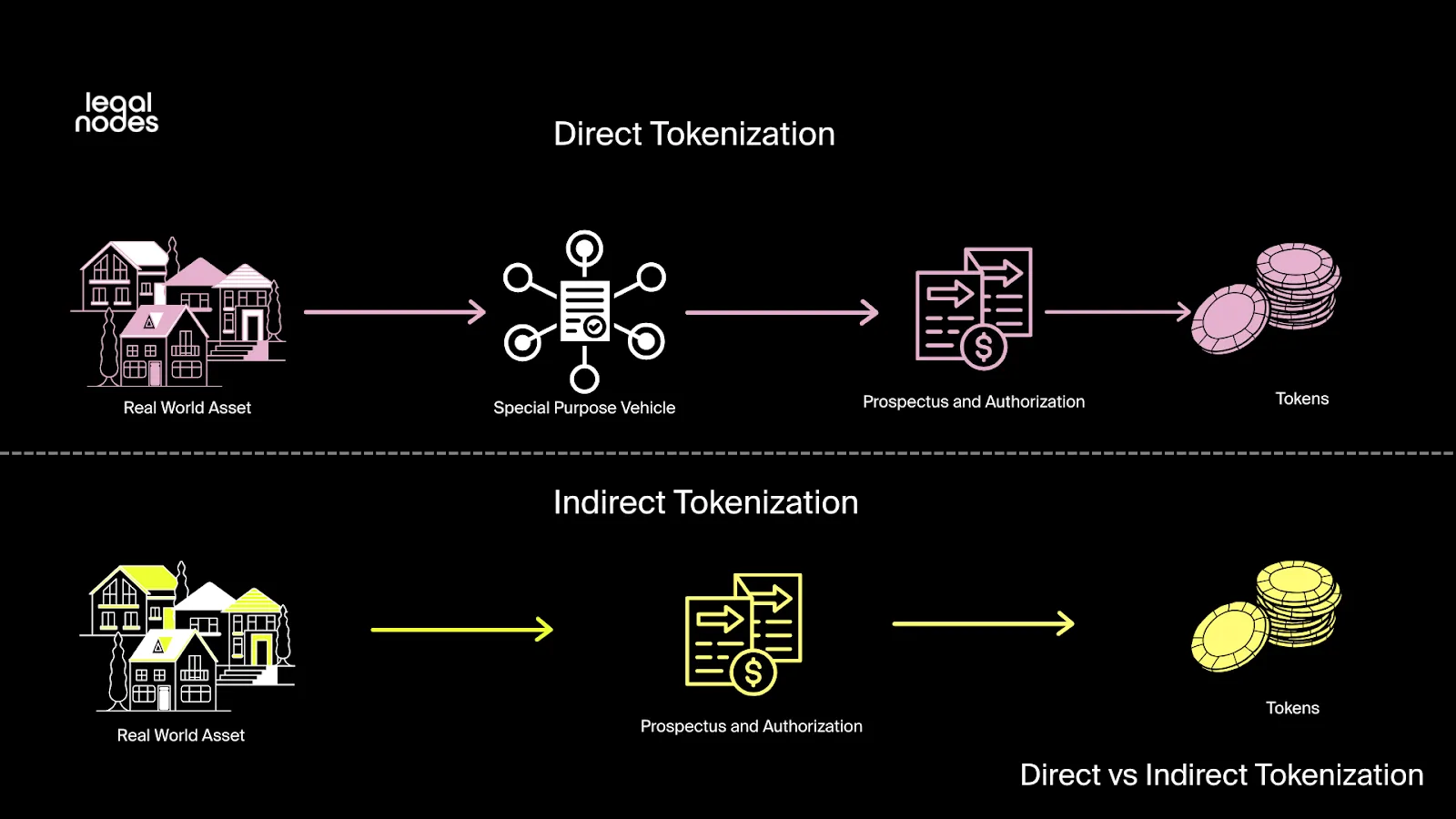


Avoid the weak options
Use this section to make the Real Estate Tokenization decision easier to compare in real life, not just on paper. Start with the reader's actual constraint, then separate must-have requirements from details that are merely nice to have. A practical choice should survive normal use, maintenance, timing, and budget. If a recommendation only works in an ideal situation, call that out plainly and give the reader a fallback path.
The simplest way to use this section is to write down the must-have criteria first, then compare each option against those criteria before weighing nice-to-have features.
No comments yet. Be the first to share your thoughts!