
Fractional real estate in 2026: what actually changed
The market for fractional real estate in 2026 has shifted from novelty to necessity. While owning a full property once meant taking on the entire asset, financing, and tenant management alone, platforms now allow investors to buy shares of high-value homes. This shift is not just about access; it is about risk distribution. As Blackwood notes, the landscape is overwhelmingly driven by millennials and Gen Z, who are priced out of traditional homeownership but still want exposure to real estate appreciation.[src-serp-2]
For many, this model solves the liquidity problem. You are no longer tied to a single property for a decade. You can trade shares, diversify across multiple Sun Belt markets, and avoid the headache of midnight pipe repairs. However, this convenience comes with a trade-off. You lose the control of a sole owner. You must trust the platform’s management and the underlying property’s performance.
Before you commit, understand that fractional ownership is not a get-rich-quick scheme. It is a long-term hold strategy. The best platforms in 2026 offer transparent fee structures and clear exit strategies. Look for platforms that provide regular updates on property value and rental income. If a platform hides its fees or makes exit difficult, walk away. The goal is to build wealth, not to lock your capital in a complex legal structure.
Use the calculator below to estimate your potential returns based on your investment size and the platform’s projected appreciation. Remember, past performance does not guarantee future results.
Fractional real estate 2026 choices that change the plan
Fractional ownership lowers the barrier to entry, but it introduces structural complexities that differ significantly from direct property ownership. Before committing capital, you must evaluate how platform mechanics impact your liquidity, costs, and control. The following comparison highlights the primary tradeoffs between traditional co-ownership and tokenized fractional models available in 2026.
| Feature | Traditional Co-Ownership | Tokenized Fractional |
|---|---|---|
| Minimum Investment | $50,000–$100,000+ | $250–$2,500 |
| Liquidity | Low (months to sell) | Medium (secondary markets) |
| Management | Self-managed or HOA | Platform-managed |
| Legal Structure | LLC or Tenancy | SPV or DAO |
| Transferability | Complex title transfer | Digital token transfer |
Liquidity and Exit Strategies
Traditional co-ownership often requires unanimous consent to sell, creating potential bottlenecks. Tokenized platforms generally offer secondary marketplaces where you can sell shares to other investors, though these markets are still developing and may have limited buyer pools. Always check the platform’s specific exit policy, as some restrict sales to qualified investors only.
Cost Structure and Fees
Beyond the purchase price, fractional platforms charge management fees, acquisition fees, and potentially performance-based carry. Traditional ownership involves property taxes, insurance, and maintenance costs directly. Tokenized models often bundle these into a single annual fee, but the effective rate can be higher than direct ownership if the asset appreciates slowly. Calculate the total cost of carry over your intended holding period.
Control and Governance
In traditional LLC structures, you may have voting rights on major decisions. Tokenized platforms typically centralize management decisions with the platform operator or a designated sponsor. While this reduces your workload, it removes your ability to influence property improvements or refinancing. Review the governance rights attached to your specific token or share class.
Regulatory and Legal Risks
Fractional platforms operate under evolving securities regulations. Ensure the platform is registered with the SEC or operates under a valid exemption (like Regulation A+ or Regulation D). Traditional ownership provides clearer property rights under real estate law. Tokenized assets may face legal ambiguity in cross-border scenarios or during platform insolvency. Diversify your exposure across regulated platforms to mitigate this risk.
How to evaluate fractional ownership platforms
Choosing a fractional ownership platform requires checking how the asset is legally structured and how liquidity is handled. Unlike buying a rental directly, you are often buying shares in an LLC that holds the property. This structure changes everything from tax reporting to exit strategies. Use this framework to compare options in 2026.
Look for platforms that use Single Asset LLCs rather than pooled funds. An LLC tied to one property isolates risk. If one building has a lawsuit or major repair issue, it shouldn't drag down your shares in other properties. Check if the platform is registered with the SEC or uses Regulation A+ or Regulation D exemptions.
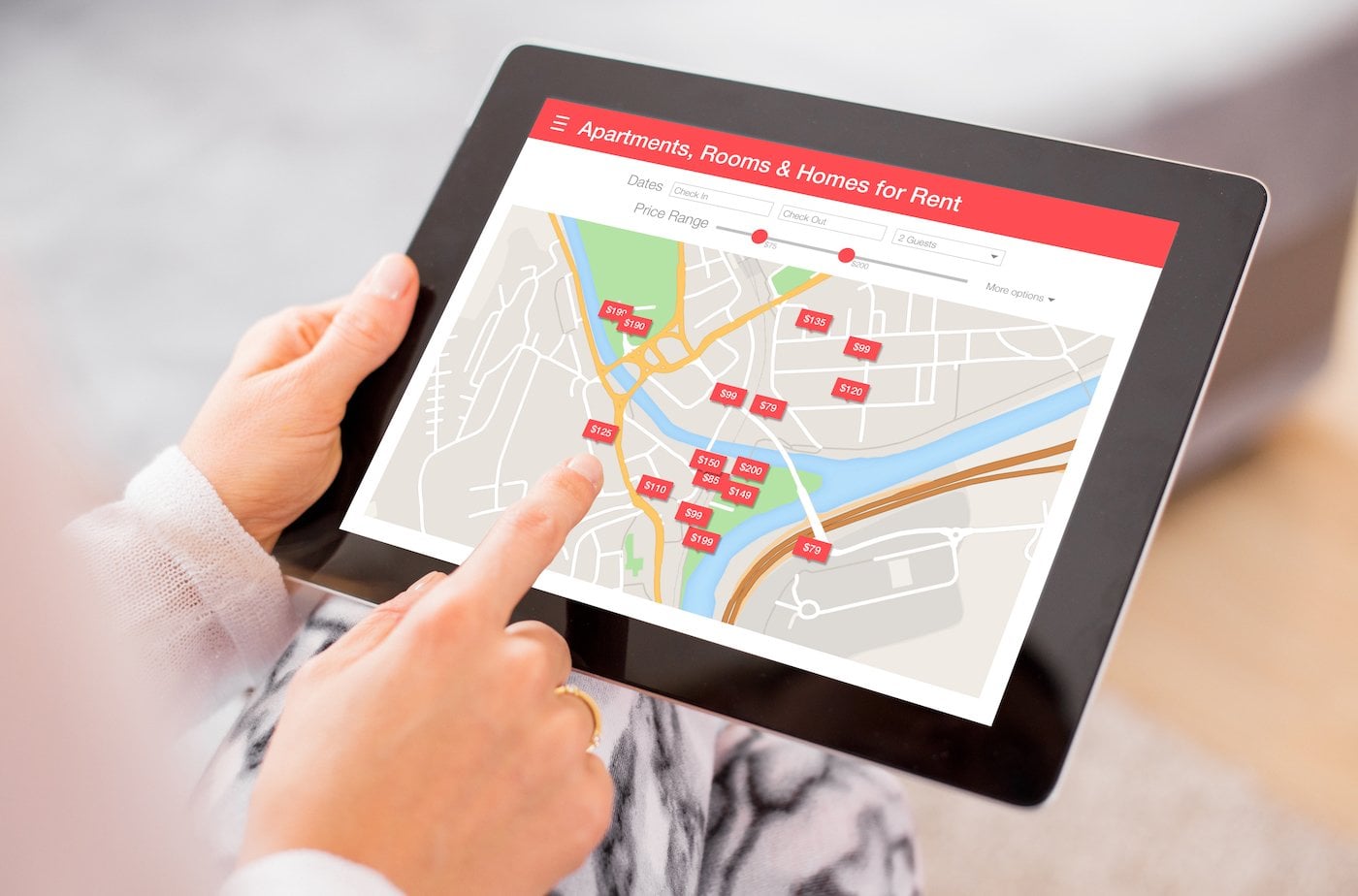
Real estate is illiquid by nature, but fractional platforms often offer secondary markets. See if the platform allows you to sell your shares to other investors without waiting for the property to be sold. Some platforms charge a fee for these trades or lock your capital for a set period. Avoid platforms that have no clear exit path.
Standard industry fees often include a 1-2% management fee plus a 10-20% cut of the profits (promote). Compare these numbers against traditional REITs or direct ownership costs. Lower fees don't always mean better value if the property management is poor. Look for transparency in how repair reserves are funded.

New platforms may have limited track records. Prefer platforms that provide detailed dashboards showing occupancy rates, net operating income, and comparable sales. If a platform only shows projected returns without historical data for similar assets, treat those projections with skepticism.
Spotting Weak Options in Fractional Ownership
Fractional ownership platforms promise accessible real estate, but the 2026 landscape is filled with misleading claims and weak structural options. Many platforms market fractional shares as liquid assets, yet most restrict secondary trading to internal marketplaces with significant fees. This lack of true liquidity can trap capital for years, turning an "easy" investment into a locked-up liability. Always verify the exit strategy before committing funds.
Another common trap is the hidden fee structure. While some platforms advertise zero management fees, they often offset this with higher acquisition costs or elevated performance fees upon sale. These costs compound over time, eroding returns significantly compared to traditional REITs. Scrutinize the operating agreement for clauses related to refinancing, property management changes, and distribution timing. Transparency is not just a feature; it is the primary indicator of a platform's long-term viability.
Finally, be wary of platforms that lack clear regulatory compliance. In 2026, the SEC has tightened oversight on tokenized and fractional real estate offerings. Ensure the platform is registered as a funding portal or exempt reporting issuer. Unregulated platforms may offer higher yields, but they carry the risk of total loss if they fail to meet legal standards. Prioritize platforms with audited financials and clear legal frameworks over those promising unusually high returns.
Fractional real estate 2026: what to check next
Fractional ownership has shifted from niche crowdfunding to a structured market, but the mechanics still require careful scrutiny. Here are the practical questions investors ask before committing capital in 2026.
The 2026 landscape is driven by millennials and Gen Z, who prioritize flexibility over traditional landlord duties. While the tokenized market is projected to grow significantly, the core value remains access to high-value assets without the hassle of direct management.
No comments yet. Be the first to share your thoughts!