
Why real world assets 2026 matters for investors
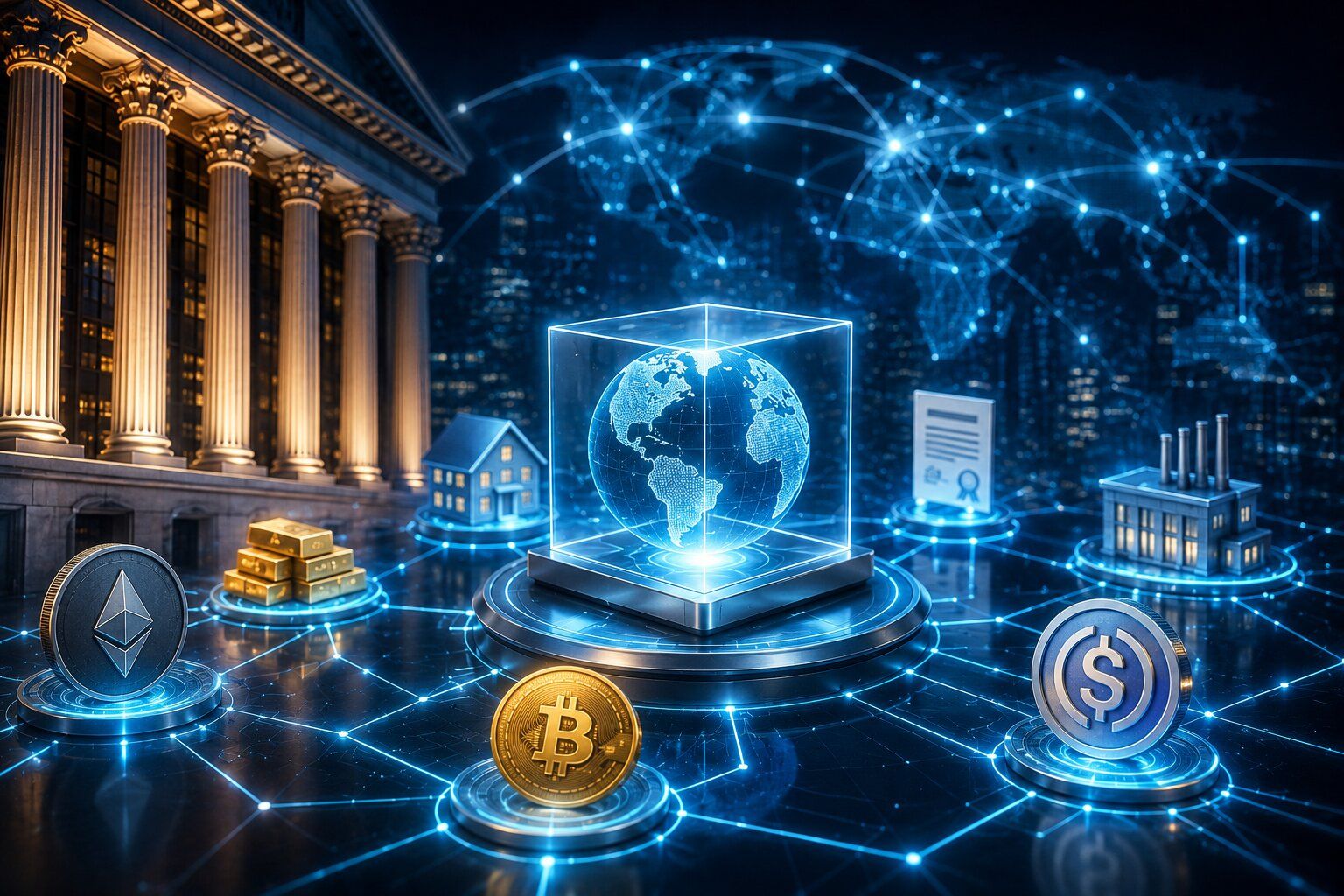
The market for tokenized real-world assets has shifted from experimental pilots to a regulated, multi-billion dollar sector. According to the State of RWA Tokenization — 2026 Mid-Year Report from Stobox, on-chain value excluding stablecoins reached $33 billion by mid-2026. This represents a massive expansion from the approximately $5 billion recorded in 2024, signaling that institutional capital is finally finding a reliable bridge to blockchain infrastructure.
While the broader tokenization market has grown even larger—reaching $60 billion across more than 7,000 products according to Yahoo Finance—real estate remains the most mature and institutional-ready asset class. Unlike commodities or private equity, which face complex valuation and liquidity hurdles, tokenized real estate offers a standardized structure for fractional ownership. Platforms like RealT and Lofty have already demonstrated that property can be reliably tokenized, providing investors with daily liquidity and transparent title records.
This maturity makes real estate the ideal entry point for 2026. Investors no longer need to wait for regulatory clarity or technological breakthroughs; the infrastructure is in place. The focus has shifted from if real world assets will work, to which platforms offer the best yield and security. As the market consolidates, the distinction between traditional property investment and digital asset management continues to blur, creating new opportunities for passive income that were previously inaccessible to retail investors.
5 RWA Platforms for Passive Real Estate Income in 2026
Real-world asset tokenization bridges traditional real estate with digital liquidity, offering a structured path to passive income in 2026. We evaluated five leading platforms—including RealT and Lofty AI—based on verified transaction volumes and transparent legal frameworks to identify the most reliable options for investors.
1. RealT fractional property investment platform
RealT lets you buy shares in actual US rental properties using stablecoins, offering a direct path to passive income without landlord headaches. This platform handles property management, so you collect rent automatically. It is ideal for beginners seeking tangible assets with low entry costs and transparent ownership records on the Ethereum blockchain.

2. Lofty AI short-term rental tokenization
Lofty AI focuses on vacation rentals, allowing investors to tokenize short-term rental properties for higher yield potential compared to long-term leases. You can buy and sell tokens instantly, providing liquidity rarely found in traditional real estate. This platform is best for those wanting exposure to the booming vacation rental market with flexible trading options.

3. Propy blockchain-based real estate transactions
Propy streamlines the buying and selling process using blockchain technology, reducing closing times and costs for international real estate deals. It offers a secure, transparent platform for cross-border transactions, making it easier to invest in foreign markets without traditional bureaucratic hurdles. This tool is perfect for global investors seeking efficiency and security in property acquisition.

4. Stake.com real estate staking options
Stake.com offers unique staking opportunities that include real estate-backed assets, allowing users to earn passive income by locking up crypto. While primarily a gaming platform, its expanding DeFi ecosystem includes real-world asset integrations for diversified income streams. This option suits experienced crypto users looking for high-yield staking products with real asset backing.
5. Yieldstreet diversified real asset funds
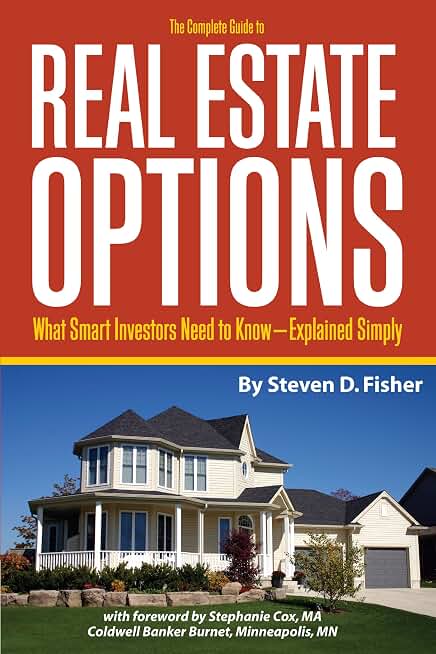
Yieldstreet provides access to a curated selection of private market investments, including real estate funds, art, and venture capital. It offers institutional-grade opportunities to retail investors, diversifying portfolios beyond traditional stocks and bonds. This platform is ideal for accredited investors seeking exposure to alternative assets with professional management and lower correlation to public markets.
How to evaluate RWA platform safety
Assessing risk in real-world asset (RWA) tokenization requires looking past the yield and into the legal and operational backbone. As the market matures, the gap between experimental protocols and regulated financial infrastructure is widening. You need a framework that prioritizes legal enforceability, asset custody, and regulatory compliance.
Legal structure and jurisdiction
The first layer of due diligence is the legal wrapper. Is the platform operating under a recognized jurisdiction with clear securities laws? Look for platforms that use Special Purpose Vehicles (SPVs) to hold the underlying assets, ensuring that the token represents a direct claim on the property or debt. Without a robust legal structure, your token is just a digital IOU with no recourse in default.
Custody and audit status
Who holds the keys? Verify that the platform uses qualified custodians for both the digital assets and the underlying real-world collateral. Regular third-party audits are non-negotiable. These audits should verify that the on-chain token supply matches the off-chain asset holdings. Platforms that publish these reports transparently, such as those cited in the 2026 mid-year state of RWA reports, demonstrate a commitment to operational integrity.
Regulatory compliance
In 2026, regulatory compliance is a primary safety metric. Platforms operating in the US, EU, or Singapore must adhere to strict KYC/AML and securities regulations. Avoid platforms that claim to be "decentralized" if they are actually managing centralized assets; this often signals regulatory evasion rather than innovation. Stick to platforms that are registered with relevant financial authorities.
| Safety Metric | What to Check | Risk of Failure |
|---|---|---|
| Legal Structure | SPV or Trust holding the asset | High: No legal recourse in default |
| Custody | Qualified third-party custodians | Medium: Mismanagement or theft |
| Regulatory Compliance | Registration with local authorities | Low: Enforced by law |


As an Amazon Associate, we may earn from qualifying purchases.
How passive income is generated
Tokenized real estate generates returns through two primary channels: rental yield and asset appreciation. Rental yield is the more immediate source of cash flow. Platforms like RealT and Lofty AI distribute monthly rent payments directly to token holders after deducting property management fees. This structure mirrors traditional REIT dividends but settles on a blockchain ledger, often resulting in faster distribution cycles.
Appreciation is the secondary driver. It occurs when the underlying property value increases over time. Investors realize this gain only when they sell their tokens on a secondary market. Unlike public REITs, which trade on major exchanges with instant settlement, RWA tokens face liquidity constraints. Selling a token can take days or weeks depending on platform volume and market conditions, meaning you cannot always exit a position quickly when prices drop.
Liquidity risks compared to traditional REITs
The liquidity gap is the most significant risk for passive investors. Traditional REITs trade on the NYSE or NASDAQ, allowing you to sell shares instantly during market hours. RWA platforms operate on private or semi-private secondary markets. If demand is low, you may struggle to find a buyer, or you might have to accept a steep discount to sell your tokens.
This illiquidity is amplified by regulatory restrictions. Many RWA platforms limit ownership to accredited investors or restrict transfers to prevent unauthorized public trading. While this protects the platform from regulatory scrutiny, it locks your capital into the asset for longer periods. You must be prepared to hold the token for years, relying on steady rental income rather than quick price flips.
How to start investing in tokenized real estate
Before you can buy shares in a property, you need a digital wallet and an account that meets regulatory standards. Most platforms require you to verify your identity (KYC) to prevent fraud and comply with securities laws. This process usually involves uploading a government-issued ID and a selfie. Without this step, you cannot move funds or sign purchase agreements.
Start by setting up a non-custodial wallet like MetaMask to manage your private keys securely. Then, connect it to your chosen RWA platform. You will likely need to fund the wallet with Ethereum (ETH) or a stablecoin like USDC, as these are the standard currencies for real estate token transactions. Always check the platform’s specific supported assets before transferring funds.
Always verify platform accreditation requirements before funding.
Once your wallet is funded and verified, browse available properties. Look for projects with clear legal structures and transparent fee schedules. Start with a small amount to understand the workflow before committing significant capital. Remember that while tokenization lowers the entry barrier, these assets are still illiquid and carry market risks.
Common questions about RWA tokenization
Tokenized real-world assets (RWAs) are traditional financial instruments like stocks, Treasuries, and bonds represented digitally. As the market grows to over $24 billion in total value, investors often ask how these digital shares handle taxes and legal rights compared to physical property.
How are RWA investments taxed?
Tax treatment depends on the underlying asset. Tokenized Treasuries usually generate interest income, while tokenized real estate may trigger capital gains. Consult a tax professional to understand how your specific platform reports these earnings to the IRS.
What legal recourse do I have if a platform fails?
Most RWAs are backed by legal entities that hold the underlying asset. If a platform collapses, your claim is against the legal owner of the property, not the tech company. Review the platform’s legal structure to see if your tokens represent direct ownership or a beneficial interest.
How volatile are RWA token prices?
Unlike speculative crypto coins, RWAs track the value of real-world assets. While the token price fluctuates with the underlying market, it is generally less volatile than pure crypto assets. The goal is steady income, not rapid speculation.
No comments yet. Be the first to share your thoughts!