
Narrow down the problem
Tokenized real estate is growing, but it is not yet a liquid, open market. Most platforms restrict trading to accredited investors or limit secondary sales. Before committing capital, identify which bottleneck applies to your situation.
Regulatory access Most tokenized property deals are structured as private securities. If you are not an accredited investor, you may be unable to buy or sell these tokens on public exchanges. Check if the platform accepts non-accredited buyers or offers a secondary market with broad eligibility.
Liquidity constraints Even if you can buy, selling can be difficult. Unlike stocks, tokenized real estate lacks deep order books. Secondary markets may have few buyers, leading to long wait times or discounted sale prices. Determine if the platform guarantees buyback options or facilitates peer-to-peer trading.
Platform risk Your tokens are only as good as the issuer. If the platform shuts down or faces legal trouble, accessing your underlying property rights becomes complex. Verify the platform’s regulatory compliance, insurance coverage, and track record in handling asset transfers.
How to evaluate tokenized real estate platforms
Tokenized real estate still represents far less than 0.1% of the global property market, meaning platform choice dictates your actual exposure to risk [src-serp-1]. Before committing capital, you must verify that the platform’s legal wrapper, liquidity mechanism, and custodial structure align with retail investor protections. The following diagnostic sequence helps you separate functional infrastructure from speculative marketing.
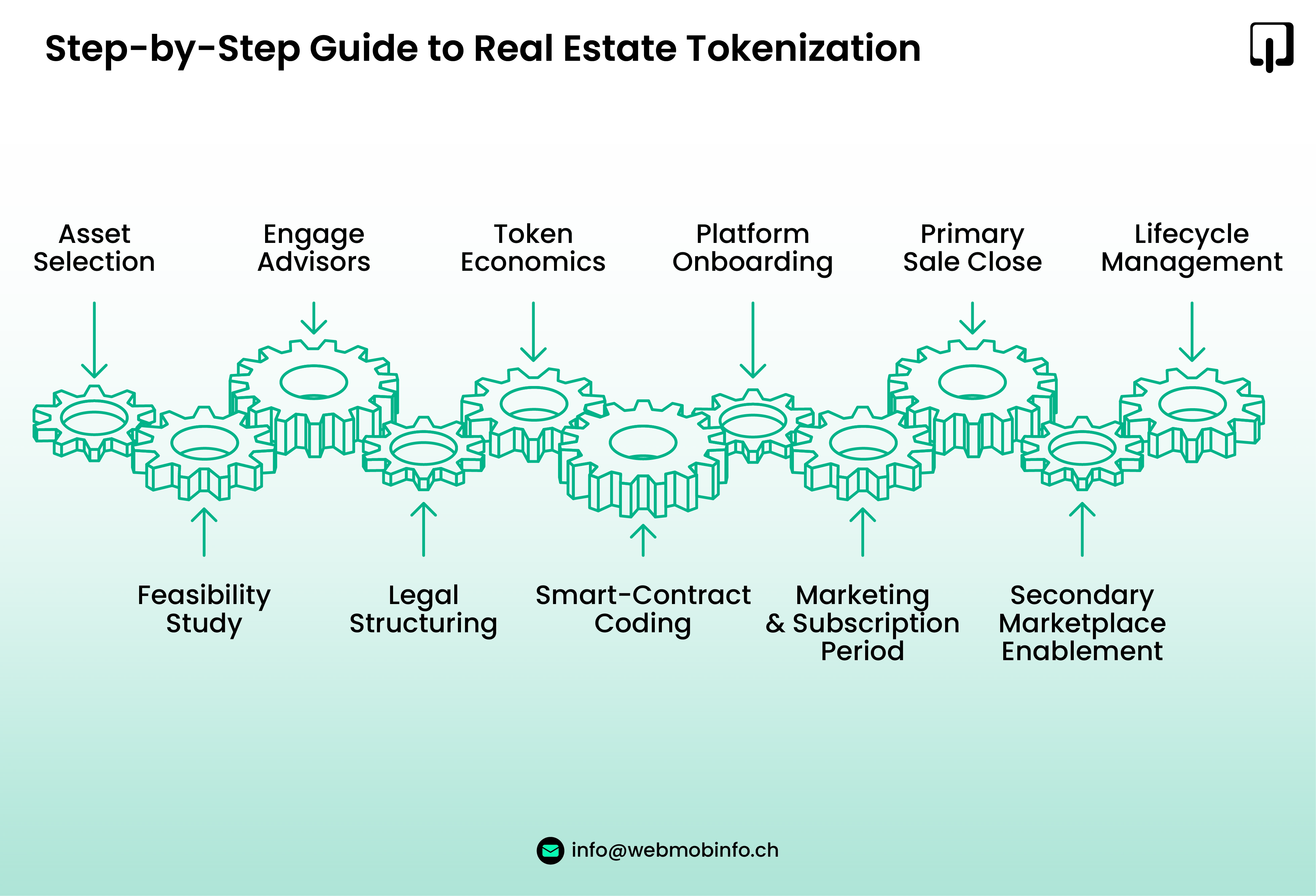
Check if the platform issues tokens under a recognized legal structure like a Delaware LLC or a Swiss foundation. Tokens should represent direct equity or a promissory note, not a vague "utility" right. Ensure the jurisdiction has clear securities laws for fractional ownership.
Most platforms restrict secondary trading. Look for a clear redemption policy where the sponsor can buy back tokens, or an integrated secondary marketplace with verified buyers. Avoid platforms that only allow peer-to-peer transfers without a defined exit path.
Identify who holds the physical deed and who manages the property. The platform should name an independent third-party custodian for the deed and a professional property management firm for operations. Avoid platforms where the issuer acts as both manager and custodian.
Tokenized assets often carry higher management fees than traditional REITs. Check for platform fees, management fees, and performance fees. Ensure the platform provides standard tax forms (like K-1s) for U.S. investors to simplify tax filing.
Look for platforms that have successfully completed at least one full investment cycle, including exit and distribution. Review their public dashboard for real-time occupancy rates, rental income, and property valuations. Avoid platforms with only projected or unverified performance data.
| Feature | Platform A | Platform B |
|---|---|---|
| Legal Wrapper | Delaware LLC | Swiss Foundation |
| Liquidity | Redemption only | Secondary marketplace |
| Custodian | Third-party | In-house |
| Tax Reporting | K-1 provided | Custom report |


As an Amazon Associate, we may earn from qualifying purchases.
What usually fixes it
The gap between promise and reality in tokenized real estate isn't a technical failure; it's a structural one. Most retail investors encounter friction because they are trying to trade fractional deeds on platforms that still operate like traditional private equity funds. Fixing this requires aligning the digital token with actual legal rights and market liquidity.
1. Verify Legal Wrapper and Custody
The primary fix for ownership anxiety is ensuring the token is backed by a recognized legal entity, such as a Delaware LLC or a Swiss Stiftung. Without this wrapper, the token is just a digital receipt with no claim on the underlying property. Investors should look for platforms that explicitly state how title is held and who manages the custodial relationship. If the platform cannot provide a clear legal opinion linking the token to the deed, skip it. This is the single most important check for high-stakes asset protection.
2. Check Secondary Market Liquidity
Tokenization solves the illiquidity problem only if there is a buyer when you need to sell. Many platforms offer "fractional ownership" but restrict transfers to approved investors only, effectively trapping your capital. A genuine fix involves platforms that support secondary trading on regulated exchanges or licensed alternative trading systems. Look for evidence of actual trading volume, not just projected demand. If you cannot sell your token within a reasonable timeframe, you haven't gained liquidity; you've gained a digital lock-up.
3. Align with Regulated On-Ramps
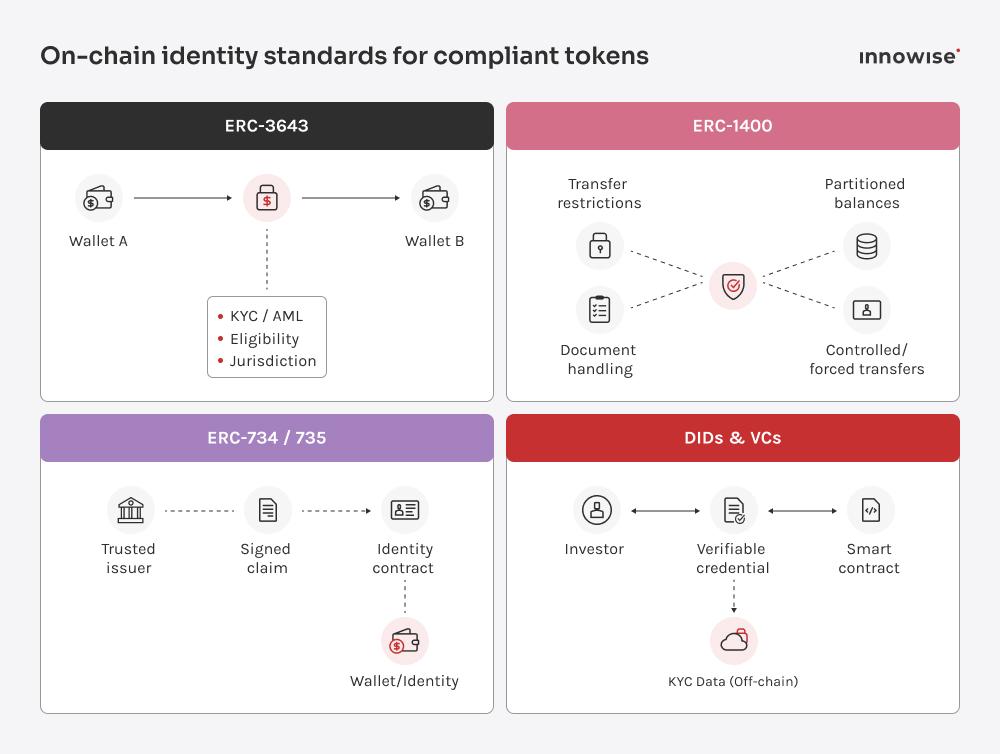
The barrier to entry remains high because of KYC/AML bottlenecks. The most reliable fixes come from platforms integrated with established financial rails, such as banks or regulated broker-dealers, rather than pure crypto-native exchanges. These on-ramps ensure that your fiat currency and token holdings are properly vetted and compliant with SEC regulations. This reduces the risk of platform shutdowns or frozen accounts due to regulatory scrutiny. Prioritize platforms that offer a seamless, compliant path from bank account to token wallet.
4. Understand the Fee Structure
Hidden fees erode returns faster than market volatility. Tokenized assets often carry management fees, transaction fees, and platform service charges that are not immediately obvious. A robust fix involves choosing platforms with transparent, flat-fee structures or those that cap total expense ratios. Compare these costs against traditional REITs or direct property ownership. If the fees exceed 2% annually, the investment likely won't outperform simpler alternatives unless the property appreciation is exceptional.
5. Diversify Across Asset Classes
Concentrating your tokenized holdings in a single property type, such as multifamily residential, exposes you to specific market risks. The 2026 market shows uneven growth, with treasuries and commercial real estate performing differently. A practical fix is to spread your tokenized investments across different asset classes, such as commercial, residential, and even tokenized treasuries. This diversification mimics a traditional portfolio, reducing the impact of a downturn in any single sector. It turns a speculative bet into a balanced allocation.
Tokenized real estate 2026: what to check next
The tokenization trend in 2026 is growing quickly but remains uneven. Reports tracking roughly $60 billion in tokenized real-world assets across more than 7,000 products show that while interest is high, the market is still heavily concentrated. Treasuries dominate the space, leaving real estate as a smaller, more specialized segment that is still finding its footing.
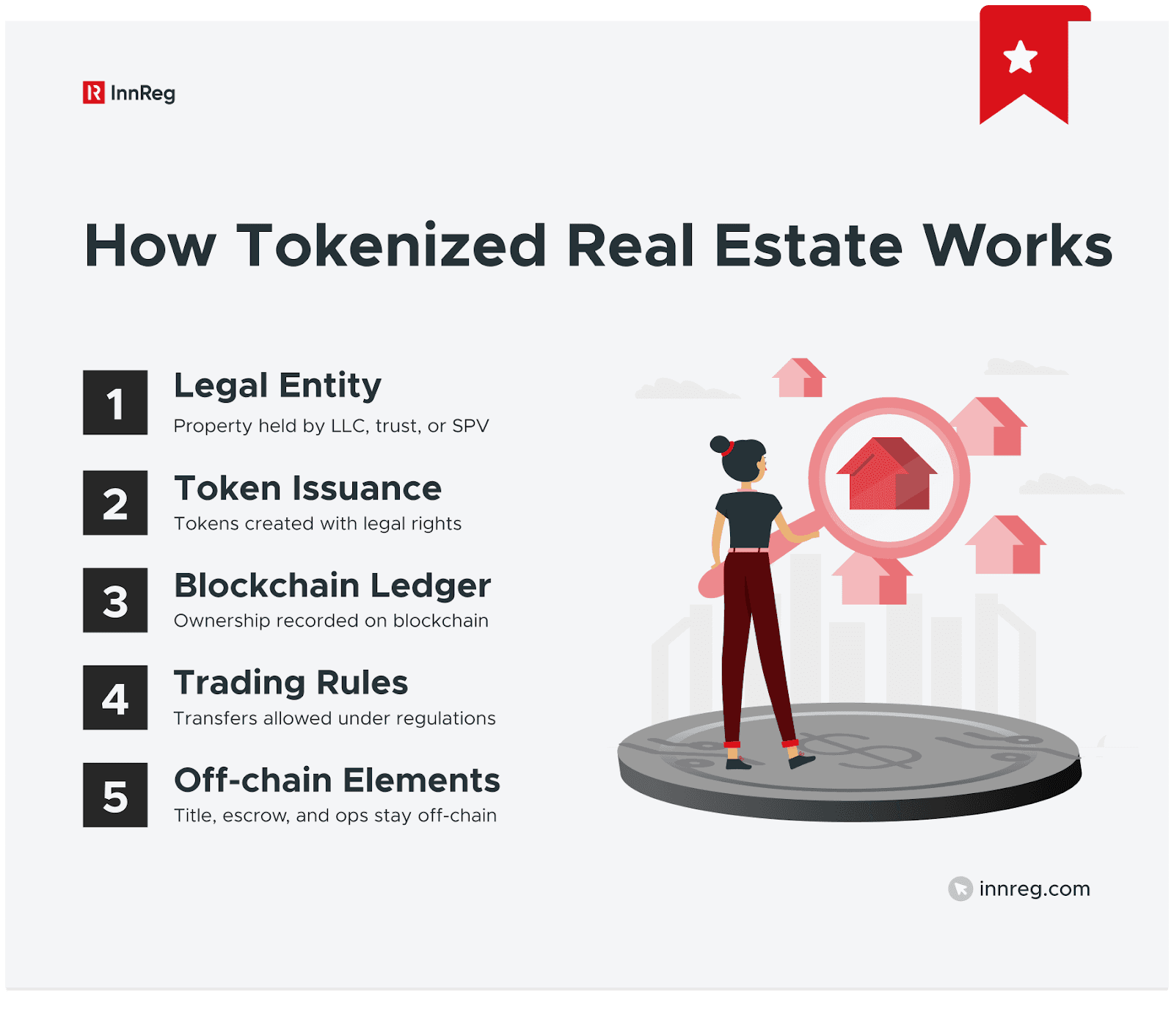
Real estate tokenization works by converting physical property rights into digital security tokens on a blockchain. These tokens represent fractional ownership or economic rights, allowing investors to buy, sell, or hold them much like shares in a company. This process breaks down high-value assets into manageable pieces, lowering the barrier to entry for retail investors.
The market opportunity is enormous, with U.S. commercial real estate investment activity projected to reach approximately $562 billion in 2026. However, despite years of development, tokenized real estate still represents far less than 0.1% of the global property market. This gap highlights that while the infrastructure is maturing, widespread adoption is still a long-term goal rather than an immediate reality.
Quick checklist
-
Match the sizeMake sure the tokenized real estate 2026 option fits your household, storage space, and normal batch size.
-
Check the materialChoose a material that handles heat, washing, and regular use without becoming a chore.
-
Plan the cleanupAvoid anything that needs more maintenance than you are likely to give it.
-
Keep one fallbackHave a simple backup option for rushed days.
No comments yet. Be the first to share your thoughts!