
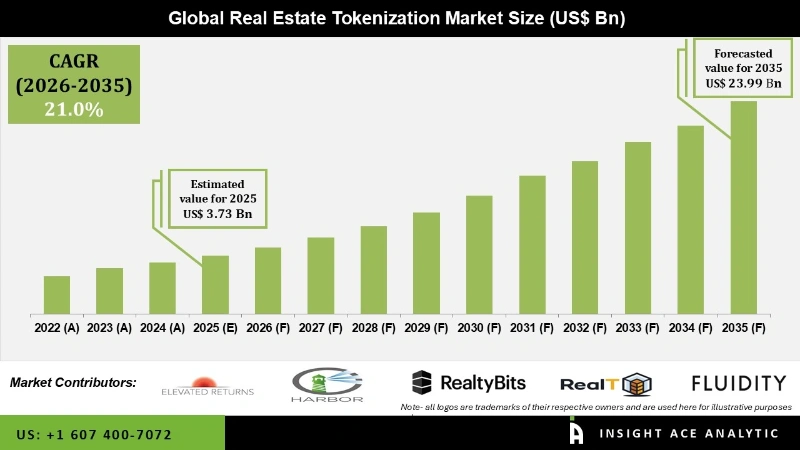
Real estate tokenization 2026: The current landscape
Real estate tokenization is no longer a theoretical experiment; it is a functioning market segment. According to data from Cotality, the sector has experienced 308% growth over the last three years, driven by blockchain platforms that convert physical property rights into digital tokens. These tokens function similarly to company shares, allowing investors to hold fractional ownership and trade assets with greater speed than traditional deed transfers.
In 2026, the primary shift is the integration of AI-driven valuation. This technology addresses the historical bottleneck of property appraisal by providing real-time data analysis, reducing the time required for due diligence. However, the market remains fragmented. While platforms like Securitize and ConsenSys lead in enterprise-grade compliance, smaller players like Nadcab Labs and Tokensof are gaining traction by focusing on secure issuance and investor management.
For investors, the choice of platform is critical. The "best" company often depends on whether you prioritize regulatory compliance (Securitize, Polymesh) or accessibility (ConsenSys, Tokensof). Understanding these distinctions helps avoid platforms that may lack the necessary legal frameworks for cross-border token trading. As the infrastructure matures, the barrier to entry continues to lower, but the need for careful platform selection remains a high-stakes requirement for protecting capital.
Weighing the tradeoffs of real estate tokenization in 2026
Real estate tokenization offers a compelling alternative to traditional property investment, but it introduces a distinct set of operational and financial tradeoffs. While the technology promises fractional ownership and instant liquidity, the actual experience depends heavily on the platform's infrastructure, regulatory compliance, and the underlying asset's performance. Investors must evaluate these factors carefully to understand where digital real estate aligns with their risk tolerance and liquidity needs.
The primary advantage lies in accessibility and efficiency. Tokenization lowers the barrier to entry, allowing investors to own shares of high-value commercial or residential properties with capital that would be impossible to deploy in a full purchase. Secondary markets, though still evolving, offer a path to exit positions faster than waiting for a traditional property sale. However, this liquidity is not guaranteed and often depends on market depth and platform-specific trading mechanisms.
Regulatory compliance remains the most critical differentiator among platforms. In 2026, the landscape is dominated by platforms that prioritize securities law adherence, such as those built on enterprise-grade blockchains like Ethereum or Polymesh. Non-compliant platforms may offer higher yields but carry significant legal and operational risks. Investors should prioritize platforms that integrate automated KYC/AML checks and offer clear legal wrappers for token holders.
To help compare the key dimensions of these platforms, the following table outlines the core tradeoffs across major categories. This comparison focuses on the structural differences that impact investor outcomes, from liquidity mechanisms to regulatory frameworks.
| Feature | Liquidity | Regulation | Minimum Investment | Platform Risk |
|---|---|---|---|---|
| Traditional RE | Low | High | High | Low |
| Fractional RE | Medium | Medium | Medium | Medium |
| Tokenized RE | High | High | Low | Medium-High |
The choice between traditional, fractional, and tokenized real estate ultimately hinges on how much liquidity and control an investor is willing to trade for accessibility. Tokenization is not a replacement for all property investment but a specialized tool for those seeking diversified, liquid exposure to real assets. As the market matures, platforms that balance technological innovation with rigorous legal standards will likely offer the most sustainable returns.
Choosing the right tokenization platform
Selecting a platform is the most critical decision in tokenized real estate. The market has shifted from experimental pilots to regulated, compliance-first infrastructure. In 2026, the "best" company depends on your investment goals, whether you prioritize enterprise-grade security, regulatory compliance, or accessibility.
Securitize
Securitize leads the market in compliance-first digital securities. It partners with major financial institutions to ensure all tokenized assets meet strict regulatory standards. This makes it the safest choice for institutional investors or those seeking maximum legal protection. Its infrastructure handles investor onboarding, KYC/AML checks, and secondary trading seamlessly.
ConsenSys
ConsenSys provides the underlying Ethereum blockchain infrastructure that powers many tokenization projects. While it doesn't sell property directly, its tools are essential for building and managing tokenized assets. It is ideal for developers and enterprises looking to create custom tokenization solutions. Its ecosystem offers robust privacy features and scalability for high-volume transactions.
Polymesh Association
Polymesh is a blockchain built specifically for regulated assets. It offers built-in compliance features that automatically enforce investor restrictions. This platform is designed for securities that require strict adherence to local laws. It is a strong option for issuers who need to manage complex investor eligibility rules without manual intervention.
Tokensof
Tokensof focuses on secure token issuance and investor management. It provides a user-friendly interface for both issuers and investors. The platform emphasizes ease of use while maintaining high security standards. It is suitable for smaller issuers or those new to tokenization who need a straightforward, reliable solution.
Nadcab Labs
Nadcab Labs offers end-to-end real estate tokenization services. It helps property owners tokenize assets from start to finish. The company provides technical support, legal guidance, and marketing assistance. It is a good choice for property owners who want to tokenize their assets but lack the technical expertise to do so themselves.
Spotting the Weak Options in Real Estate Tokenization
The 308% growth in real estate tokenization over the last three years has attracted significant capital, but it has also invited a wave of superficial platforms that prioritize marketing over compliance. When evaluating providers, investors must look past the glossy dashboards and scrutinize the underlying legal structures. Many platforms claim "instant liquidity," yet the secondary markets for these tokens remain thin and illiquid for most retail participants. This disconnect between promise and reality is where investors lose money.
Several common mistakes can derail a tokenized investment strategy. First, ignoring the jurisdiction of the issuer is a critical error. Tokens issued in offshore havens may lack the legal recourse available to U.S. or EU investors. Second, assuming all tokens represent equity is dangerous; some are structured as debt or revenue-sharing agreements with different risk profiles. Always read the offering memorandum, not just the whitepaper.
When comparing providers, focus on regulatory adherence and transparency. Companies like Securitize and Polymesh lead in compliance-first frameworks, while others may lag in investor protection. The best platforms provide clear, auditable records of ownership and distribution. Avoid platforms that obscure their legal team or lack clear disclosure documents. In 2026, the difference between a viable investment and a speculative gamble lies in the rigor of the legal structure, not the sophistication of the app interface.
Real estate tokenization 2026: what to check next
Real estate tokenization is up 308% in three years, moving from niche blockchain experiments to regulated property investment. As platforms integrate AI-driven valuation and regulatory frameworks like Dubai’s Phase II launch in February 2026, investors face new practical questions about access, security, and market viability.
How is real estate going to be tokenized?
Tokenization converts ownership rights or economic benefits of a property into digital tokens on a blockchain. These tokens function like company shares, allowing fractional ownership and instant tradability. The process typically involves legal structuring, property appraisal, and smart contract deployment to ensure compliance with local securities laws.
Which real estate tokenization company is the best?
There is no single best provider, as the choice depends on your jurisdiction and investment goals. Leading platforms include Securitize for compliance-first digital securities, ConsenSys for enterprise-grade Ethereum infrastructure, and Polymesh for regulated asset-specific blockchains. For direct property investment, platforms like RealT and Propy offer fractional ownership of specific assets.
Is real estate still a good investment in 2026?
Yes, but the dynamics are shifting. While traditional real estate remains a stable asset class, tokenization introduces liquidity risks and regulatory uncertainty. AI-driven valuation tools are improving price accuracy, but investors must account for platform fees and secondary market depth. The sector is growing, but it requires due diligence on the issuer’s regulatory standing.
Where can I buy tokenized real estate?
You can buy tokenized real estate through regulated platforms such as RealT, Propy, and Lofty. These platforms often require investor accreditation depending on the jurisdiction. Always verify that the platform is registered with relevant financial authorities, such as the SEC in the United States or the VARA in Dubai, before transferring funds.
No comments yet. Be the first to share your thoughts!