
Get Real Estate Tokenization Right
Before you buy your first fractional token, treat the process like a compliance checkpoint rather than a simple purchase. The 2026 real estate tokenization boom has moved past experimental phases, but the regulatory environment remains fragmented. You are not buying a house; you are buying a digital security tied to a specific property. This distinction dictates every step you take, from choosing a platform to understanding your exit strategy.
Verify Platform Legitimacy
Not all tokenization platforms are created equal. In 2026, the most reliable platforms operate with explicit regulatory oversight, often holding licenses from bodies like the SEC or equivalent international regulators. Platforms like RealT and Propy have established tracks records by adhering to strict Know Your Customer (KYC) and Anti-Money Laundering (AML) protocols. Avoid platforms that promise high returns without disclosing their legal structure or custodial arrangements. If a platform does not clearly state how your tokens are backed by real-world deeds, stay away.
Understand the Token Structure
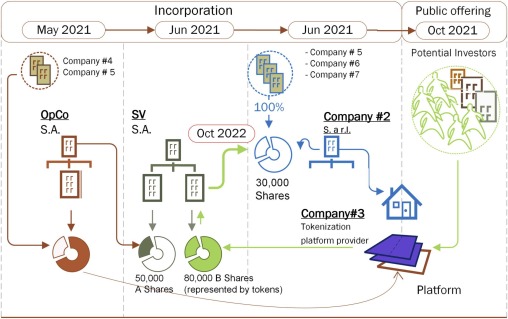
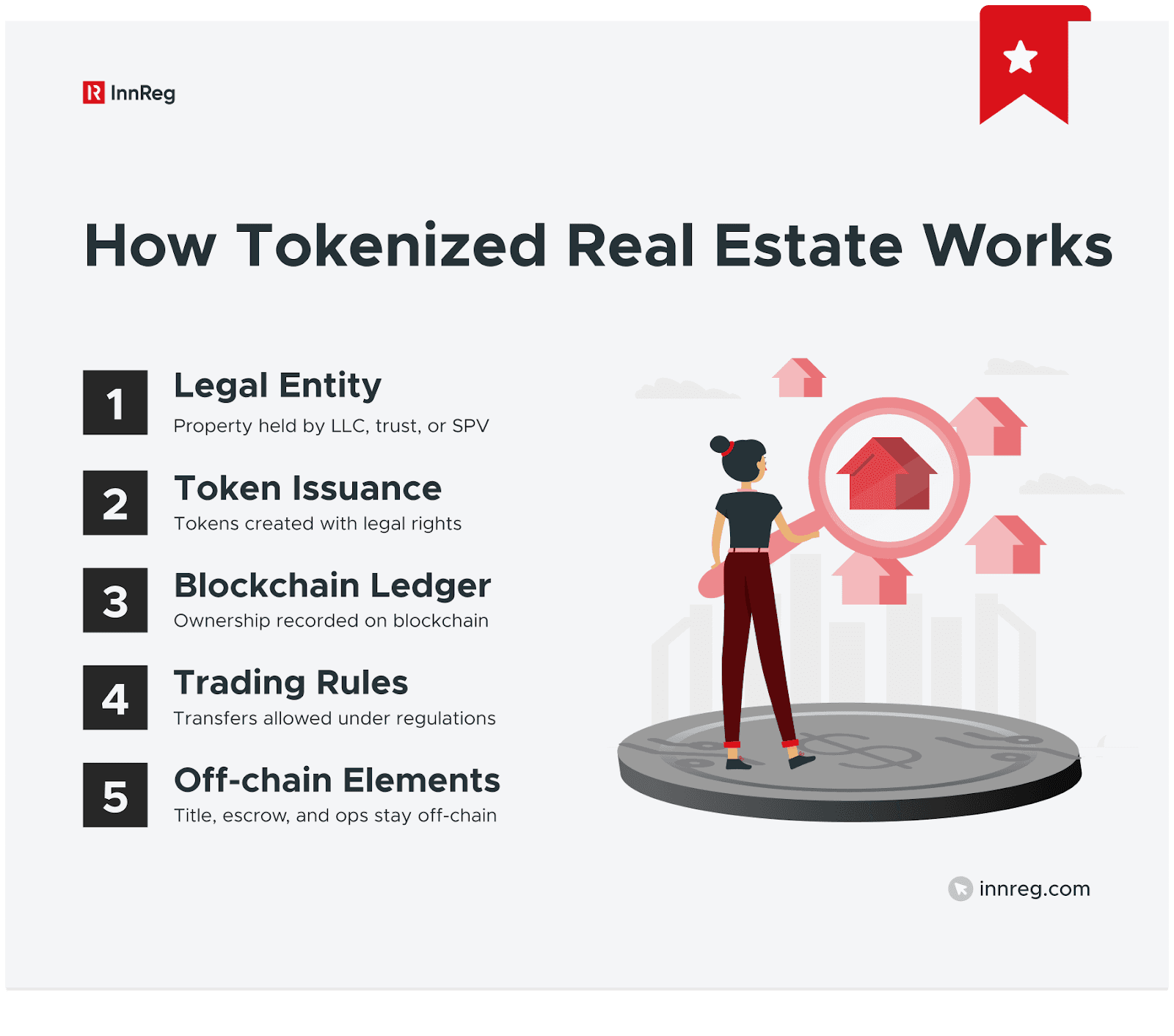
Tokens represent ownership shares, but the legal mechanism behind them varies. Some platforms use Special Purpose Vehicles (SPVs) to hold the property, while others use direct deed transfers. You need to know how dividends are distributed. Most platforms automate this via smart contracts, sending rental income directly to your wallet in stablecoins or fiat. However, tax implications can be complex. A tokenized share might be treated as a security for tax purposes, requiring you to report capital gains differently than traditional rental income. Consult a tax professional familiar with digital assets before investing.
Assess Liquidity and Exit Options
One of the biggest misconceptions is that tokenization guarantees instant liquidity. While secondary markets are growing, they are not as fluid as stock exchanges. You may need to wait for a buyer on a secondary marketplace, or wait for a property sale to exit your position entirely. Some platforms offer buyback programs, but these often come with fees or delays. Check the platform’s secondary market activity. If there are no recent trades for the tokens you are considering, you could be locked in for years. Always have an exit plan that assumes you cannot sell immediately.
Check Minimum Investment and Fees
Tokenization lowers the barrier to entry, but fees can erode returns. Look for platforms with transparent fee structures. Management fees typically range from 1% to 2% annually, plus transaction fees for buying and selling tokens. Some platforms charge additional custody fees. Compare these costs against traditional REITs or direct property ownership. While the minimum investment might be as low as $50, the cumulative fees on small, frequent trades can be significant. Plan your investment size to minimize the impact of fixed transaction costs.
How to tokenize real estate in 2026
Tokenizing a property means converting physical ownership rights into digital tokens on a blockchain. For investors, this process is less about writing code and more about selecting the right platform and understanding the legal structure. The 2026 landscape favors platforms that handle the heavy lifting of compliance, allowing you to buy fractional shares without managing physical maintenance.
Step 1: Choose a regulated tokenization platform
Not all platforms are created equal. In 2026, the most reliable platforms operate under strict securities regulations, ensuring your tokens represent legal ownership or revenue rights. Look for platforms that are registered with relevant financial authorities or operate within clear legal frameworks like Regulation A+ or Regulation D in the US.
Popular options include Zoniqx, which focuses on global compliance, and RealT, known for its US-based residential properties. StegX.Finance and Lofty are also notable for their user-friendly interfaces and established track records. Avoid platforms that promise high returns without disclosing their regulatory status or legal structure.
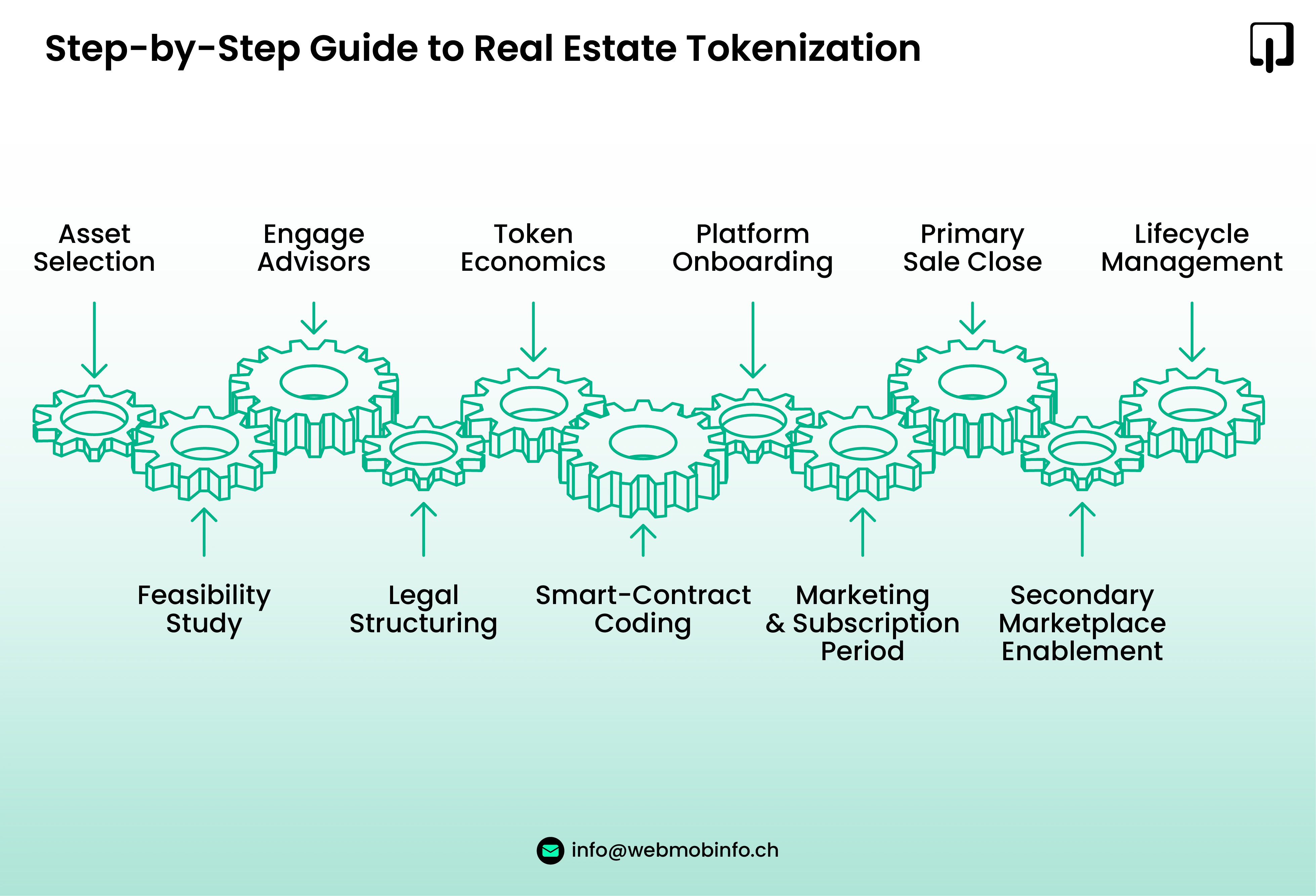
Research platforms that are registered and compliant. Check their regulatory filings and legal disclosures. Prioritize platforms like Zoniqx, RealT, or StegX that have a clear legal foundation for issuing security tokens.
Real estate tokens are securities, so you must pass Know Your Customer (KYC) and Anti-Money Laundering (AML) checks. If the platform requires accredited investor status, have your financial documents ready. This step ensures you are legally permitted to hold the asset.
Deposit funds using bank transfer or cryptocurrency, depending on the platform. Browse available properties, reviewing details like location, rental yield, and token price. Start with smaller investments to understand the platform's mechanics before scaling up.
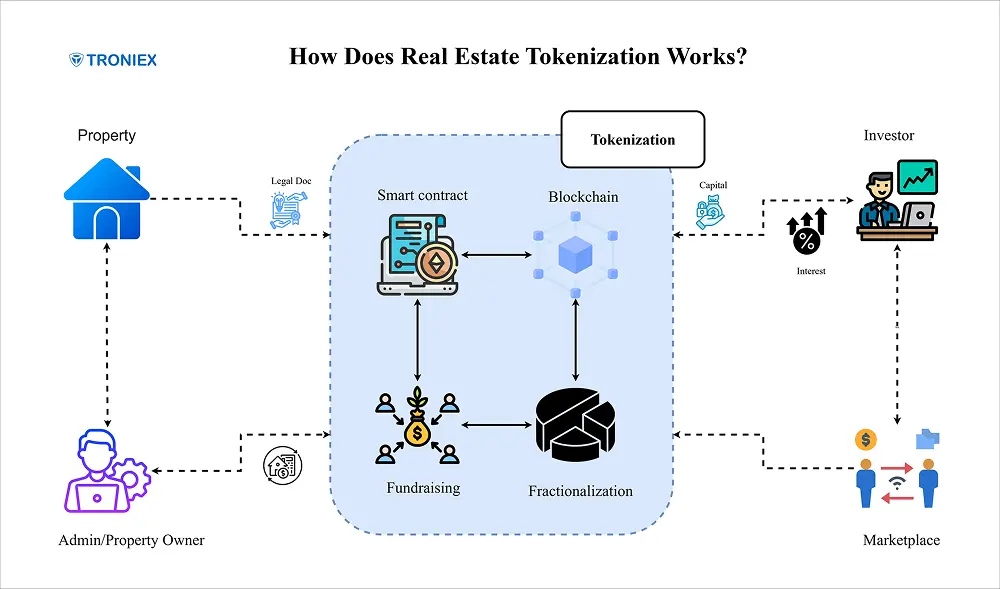
Once you select a property, purchase the desired number of tokens. The platform will mint these tokens to your digital wallet and issue a digital receipt confirming your fractional ownership. This receipt is your proof of investment.
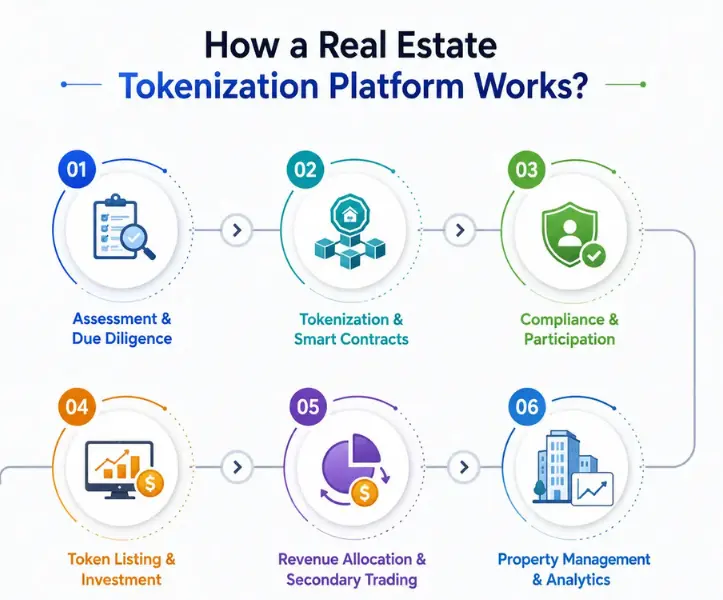
Track your investment through the platform's dashboard. Most platforms distribute rental income to token holders automatically, often on a monthly or quarterly basis. You can also sell your tokens on secondary markets if the platform supports liquidity.
Step 2: Understand the legal and tax implications
Tokenization does not change the underlying legal nature of real estate. You are still buying a security, which means you are subject to capital gains taxes and potentially securities laws. Consult with a tax professional to understand how fractional ownership affects your tax liability, especially if you are investing across different jurisdictions.
Step 3: Evaluate liquidity and exit strategies
Unlike traditional real estate, tokenized assets can be sold on secondary markets, but liquidity is not guaranteed. Check if the platform has a built-in secondary market or partnerships with exchanges. If not, you may need to wait for a buyback program or a property sale to exit your position. This is a critical trade-off: lower entry costs but potentially restricted access to your capital.
Common Mistakes to Avoid in Real Estate Tokenization
Fractional ownership sounds simple, but the gap between marketing promises and legal reality is where investors lose money. Before you allocate capital to a tokenized property, you need to spot the structural flaws that platforms often bury in fine print. These mistakes don't just reduce returns; they can lock your capital indefinitely or trigger unexpected tax liabilities.
Overlooking Jurisdictional Mismatch
One of the most frequent errors is investing in tokens issued by entities in offshore jurisdictions while living in a strict regulatory environment like the United States. Tokenized securities are still securities. If the issuer is registered in a crypto-friendly haven but the investor resides in a jurisdiction with strict SEC guidelines, you may be unable to legally sell or transfer those tokens. Always verify that the tokenization platform complies with the securities laws of your specific country of residence, not just the country where the property is located.
Ignoring liquidity limits to account for
Marketing materials often highlight "24/7 trading" for tokenized real estate, but this is misleading. Unlike stocks, there is rarely a deep, organic secondary market for these tokens. You might see a price on an exchange, but finding a buyer is a different challenge. Many platforms only allow transfers during specific windows or require platform approval. If you need access to your funds within three to five years, tokenized real estate is likely the wrong vehicle. Treat these tokens as long-term holds with restricted exit options, not liquid savings accounts.
Underestimating Fee Structures
Traditional real estate has closing costs and property management fees, but tokenization adds a new layer of digital overhead. Platforms charge issuance fees, secondary trading commissions, and annual maintenance fees. These fees can eat 1-2% of your annual return before you even see a dividend. A property yielding 6% net might effectively yield 4% after platform fees. Always calculate the net yield after all platform deductions. If the fee structure isn't transparently listed in the offering memorandum, walk away.
Confusing Token Types with Ownership
Not all tokens represent equity. Some represent debt (a loan against the property), while others represent revenue sharing (profits only) without ownership rights. If you buy a debt token, you don't own the building; you are a lender. If the property value skyrockets, you don't benefit from the appreciation. Ensure you understand exactly what rights the token confers. Equity tokens give you a slice of the asset; revenue tokens give you a slice of the cash flow. Mixing these up leads to incorrect risk assessments and unrealistic return expectations.
Real estate tokenization 2026: what to check next
Investors are asking how this technology actually works and whether it fits their portfolio. Here are the practical answers to the most common questions about fractional ownership and digital property assets.
No comments yet. Be the first to share your thoughts!