

Thailand’s emergence as a hub for tokenized real estate is rapidly changing how global investors access the country’s dynamic property market. With the Thai Securities and Exchange Commission (SEC) providing a clear regulatory framework for digital asset-backed securities, international buyers now have regulated avenues to participate in fractional property ownership via blockchain.

Why Thailand’s Tokenized Real Estate Market Stands Out in 2025
In recent years, Thailand has made significant strides in digital asset regulation. The SEC’s 2018 framework treats real estate-backed digital tokens as securities, subjecting them to robust disclosure requirements and investor protections. This approach has fostered trust and transparency within the market, attracting both institutional and retail investors worldwide.
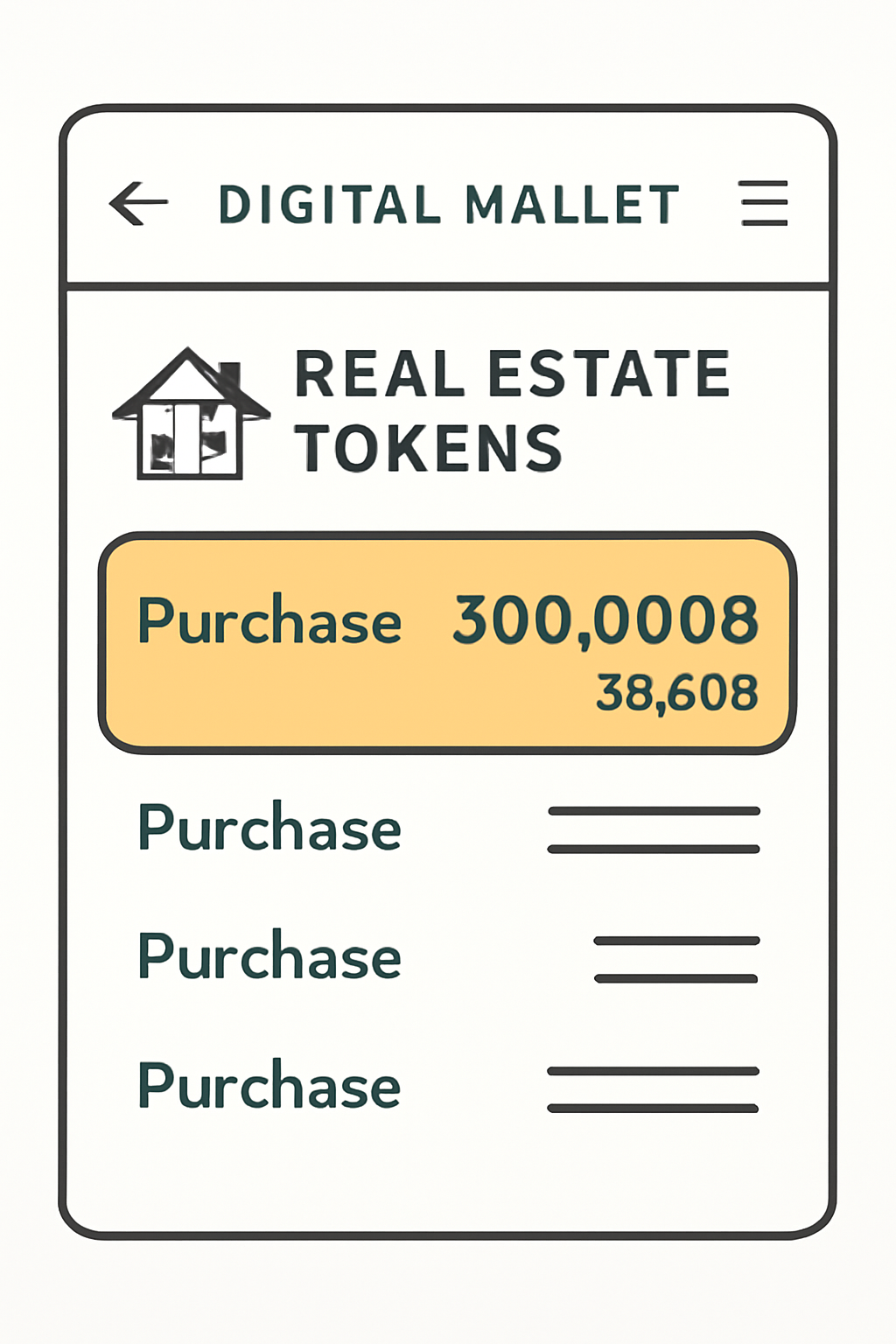
A pivotal development occurred in January 2024 when the SEC lifted the investment cap of 300,000 baht (about $8,500) for retail investors in real estate and infrastructure-backed tokens (source). This move signals growing confidence in the sector’s maturity and opens doors for greater capital inflows from abroad.
Navigating Legalities: What Foreign Investors Must Know
While foreigners face restrictions on direct land ownership in Thailand, tokenized real estate offers a compliant pathway to exposure. Under current law, foreign individuals can own freehold condominiums or participate indirectly through special purpose vehicles (SPVs) or Thai companies. Tokenization leverages these structures by issuing digital tokens that represent fractional interests in underlying assets held by regulated entities. Every offering must comply with SEC guidelines on investor rights, disclosures, and platform licensing (source).
This means that when you buy regulated property tokens in Thailand, you’re purchasing securities governed by Thai law - not simply crypto assets traded on an unregulated exchange. As a result, due diligence is essential: only use platforms licensed by the SEC and ensure all documentation is transparent regarding your rights as a token holder.
Key Legal Considerations for Foreigners Investing in Tokenized Thai Real Estate
- SEC-Approved Platforms Only: Foreign investors must use licensed digital asset platforms approved by the Thai Securities and Exchange Commission (SEC) for both issuance and trading of real estate-backed tokens. This ensures regulatory compliance and investor protection.
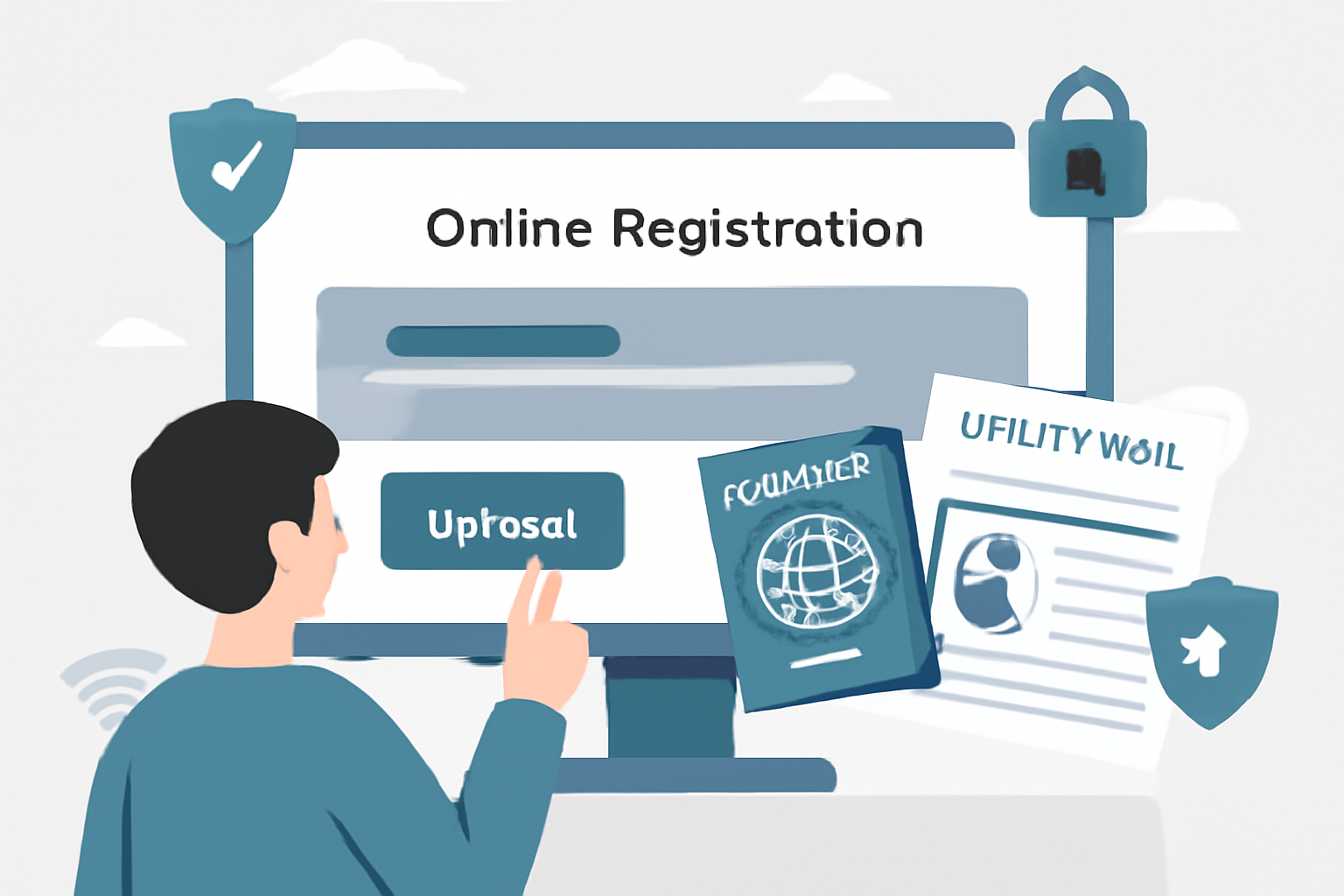
- KYC and AML Compliance: All investors are required to complete Know Your Customer (KYC) and Anti-Money Laundering (AML) procedures. This involves submitting valid identification and proof of address to the platform before transacting.
- Investment Limits Lifted: As of January 2024, the previous cap of 300,000 baht (approx. $8,500) for retail investors in real estate tokens has been removed, allowing greater flexibility for foreign and local retail investors.

- Foreign Ownership Restrictions: While tokenization enables fractional ownership, Thai law still restricts foreigners from owning land freehold. Foreign investors can typically own up to 49% of a condominium project, but not land directly, even via tokens.
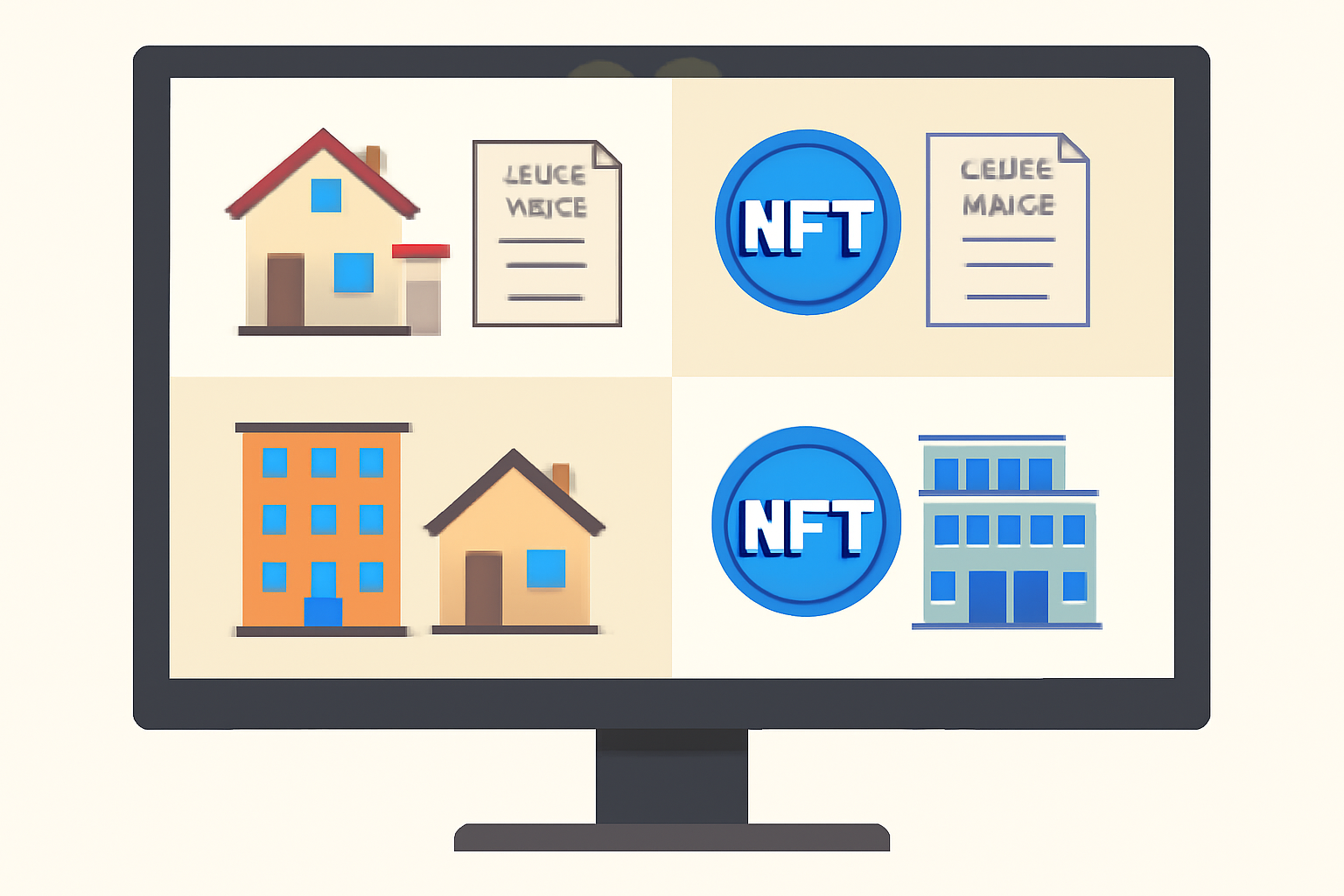
- Legal Structure of Tokenization: Most tokenized real estate projects use a Special Purpose Vehicle (SPV) or Thai company to hold the property, with tokens representing a share in the SPV. Investors should review the legal documentation to understand their rights and obligations.
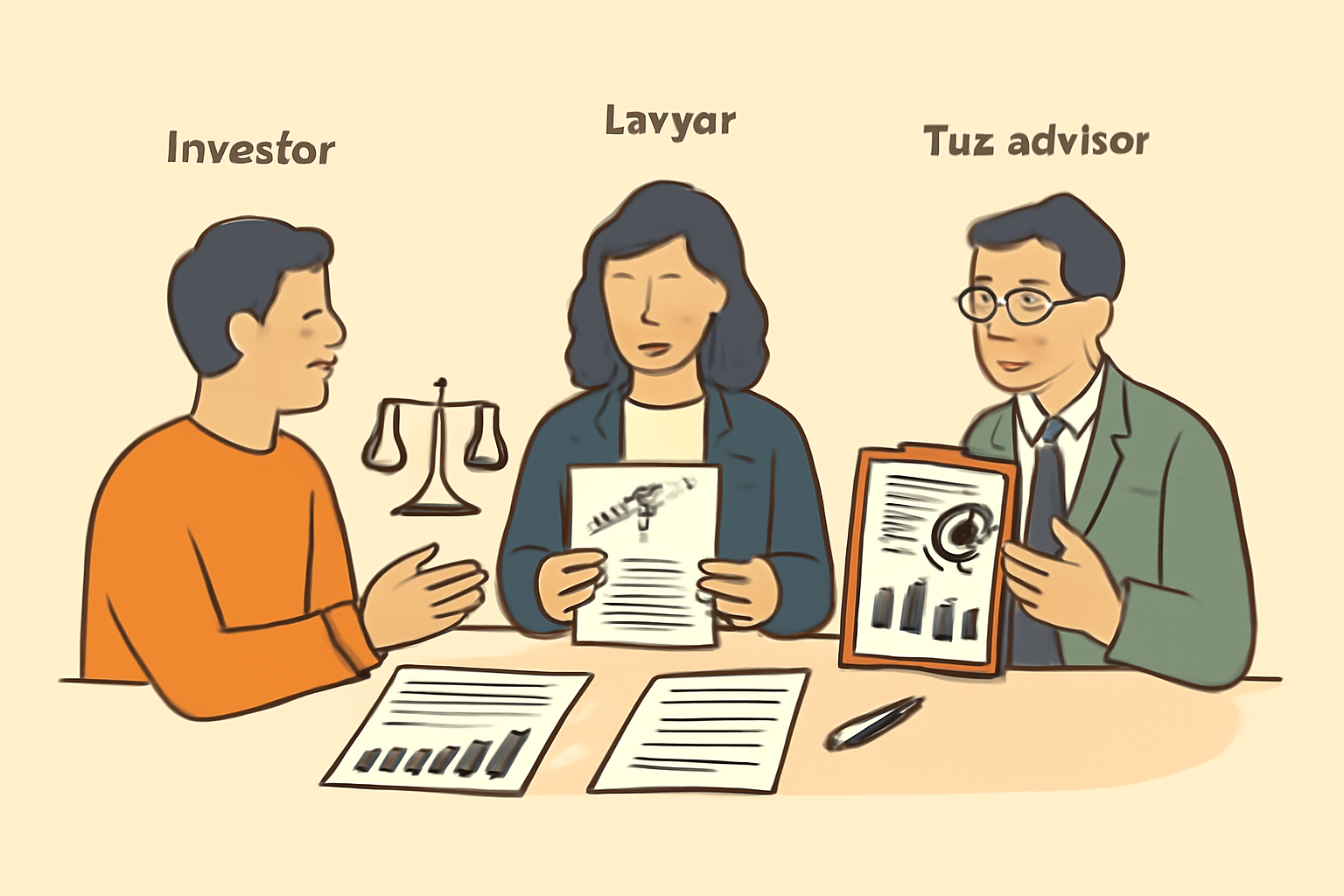
- Taxation and Reporting: Income from tokenized real estate (such as rental yields or capital gains) is subject to Thai tax laws. Foreign investors should consult a tax advisor for guidance on withholding tax, VAT, and personal income tax obligations.
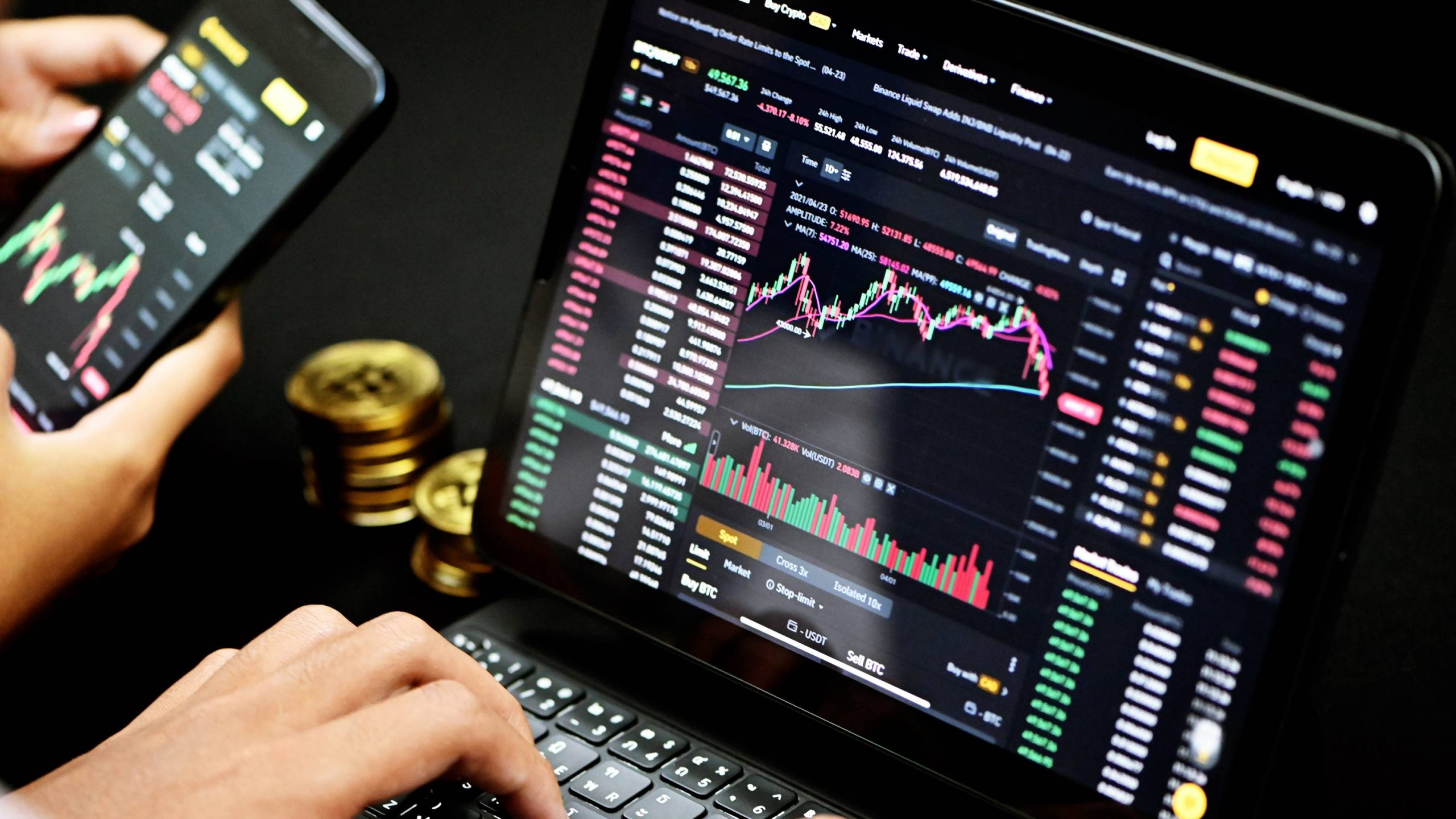
- Use of Cryptocurrency for Payment: Direct property purchases with cryptocurrency are not legally recognized in Thailand. Crypto payments must be converted to Thai baht via regulated intermediaries or third parties to comply with local regulations.

The Step-by-Step Process to Buy Regulated Property Tokens
The process for acquiring Thailand tokenized real estate as a global investor is streamlined yet rigorous:
Step-by-Step Guide: Buying Regulated Tokenized Real Estate on an SEC-Approved Thai Platform
- Research Licensed Platforms: Begin by identifying platforms approved by the Thai SEC that facilitate issuance and trading of property tokens.
- KYC and Registration: Complete Know Your Customer procedures by submitting identification documents and proof of address.
- Select Opportunities: Review available projects with detailed white papers outlining property details, projected returns, risks, and compliance status.
- Understand Legal and Tax Implications: Consult local experts to assess obligations related to your investment structure.
- Invest: Once satisfied with your due diligence, purchase tokens representing fractional ownership of your chosen property asset.
This method ensures compliance with local regulations while granting access to Thailand’s lucrative real estate market via blockchain technology. For more details on legal structures underpinning these offerings (such as SPVs), see this practical summary from Legal Nodes (source).
Beyond the initial purchase, investors should pay close attention to the ongoing management and liquidity of their digital assets. Regulated platforms in Thailand often provide secondary market trading, allowing token holders to buy or sell their property tokens with other verified users. This feature introduces a level of flexibility and potential exit options that traditional real estate investments rarely offer.
Secondary Market Liquidity: Trading Real Estate Tokens in Thailand
The evolution of secondary markets for regulated property tokens Thailand is one of the most compelling aspects for global investors. Unlike conventional real estate, which can be illiquid and cumbersome to transfer, tokenized assets are traded seamlessly on approved digital exchanges. This means you can adjust your portfolio or realize gains without waiting months for a property sale to close.
However, it’s essential to recognize that liquidity depends on platform adoption and market demand. While major Thai platforms have reported increasing trading volumes since the SEC lifted the $8,500 cap in January 2024, not all tokens will be equally liquid. Always evaluate trading activity and platform reputation before committing significant capital.
Comparison of Major Thai Property Tokens (September 2025)
| Token Name | Underlying Asset Type | Platform | Key Features | 24h Trading Volume | Recent Price (THB) |
|---|---|---|---|---|---|
| FractionEstate Bangkok | Luxury Condo (Bangkok CBD) | Tokenizer Estate | SEC-Regulated, Fractional Ownership, KYC Required | ฿2,100,000 | ฿52.50 |
| VillaToken Phuket | Beachfront Villa (Phuket) | RealAssetX | High Rental Yield, Global Access, Licensed Exchange | ฿1,850,000 | ฿47.80 |
| UrbanOffice REIT | Grade A Office Space (Bangkok) | ThaiProp Digital | Monthly Dividends, Institutional Grade, SEC-Approved | ฿1,200,000 | ฿39.20 |
Risk Management and Investor Protections
Despite robust regulatory oversight, investing in Thailand tokenized real estate is not without risks. Market volatility, project-specific risks (like construction delays or tenant default), and evolving regulations remain factors every investor must consider. Fortunately, SEC-compliant offerings are required to provide transparent disclosures regarding these risks as well as ongoing updates about asset performance.
To further protect yourself:
- Only invest via licensed platforms, as these have met stringent operational and security standards.
- Diversify your holdings across multiple projects or regions within Thailand where possible.
- Stay informed: Monitor regulatory updates from the Thai SEC and seek professional advice on tax implications in both Thailand and your home jurisdiction.
The Future Outlook: Why Global Investors Are Eyeing Thailand’s Tokenized Property Market
The combination of clear regulation, improved retail access (thanks to the removal of the $8,500 cap), and growing secondary market infrastructure positions Thailand at the forefront of blockchain-enabled real estate investment. For global investors seeking exposure to Southeast Asia’s property boom without traditional barriers, regulated tokenized offerings present an efficient alternative, one that aligns with both compliance standards and modern portfolio strategies.
The coming years will likely see further innovation as more developers tokenize high-quality assets and as investor familiarity grows. As always, success hinges on rigorous due diligence, platform selection, and a keen understanding of local legal frameworks.
For those ready to explore this frontier, Thailand’s model offers a blueprint for secure yet dynamic cross-border investment in real estate, bridging blockchain efficiency with established legal protections.


No comments yet. Be the first to share your thoughts!