

Fractional real estate tokens are rapidly transforming the traditional property investment landscape. By leveraging blockchain technology, these digital tokens allow investors to purchase small ownership shares in high-value properties, breaking down barriers that once kept real estate out of reach for many. If you’re new to this space, understanding how to get started is crucial for building a resilient and diversified portfolio.
What Are Fractional Real Estate Tokens?
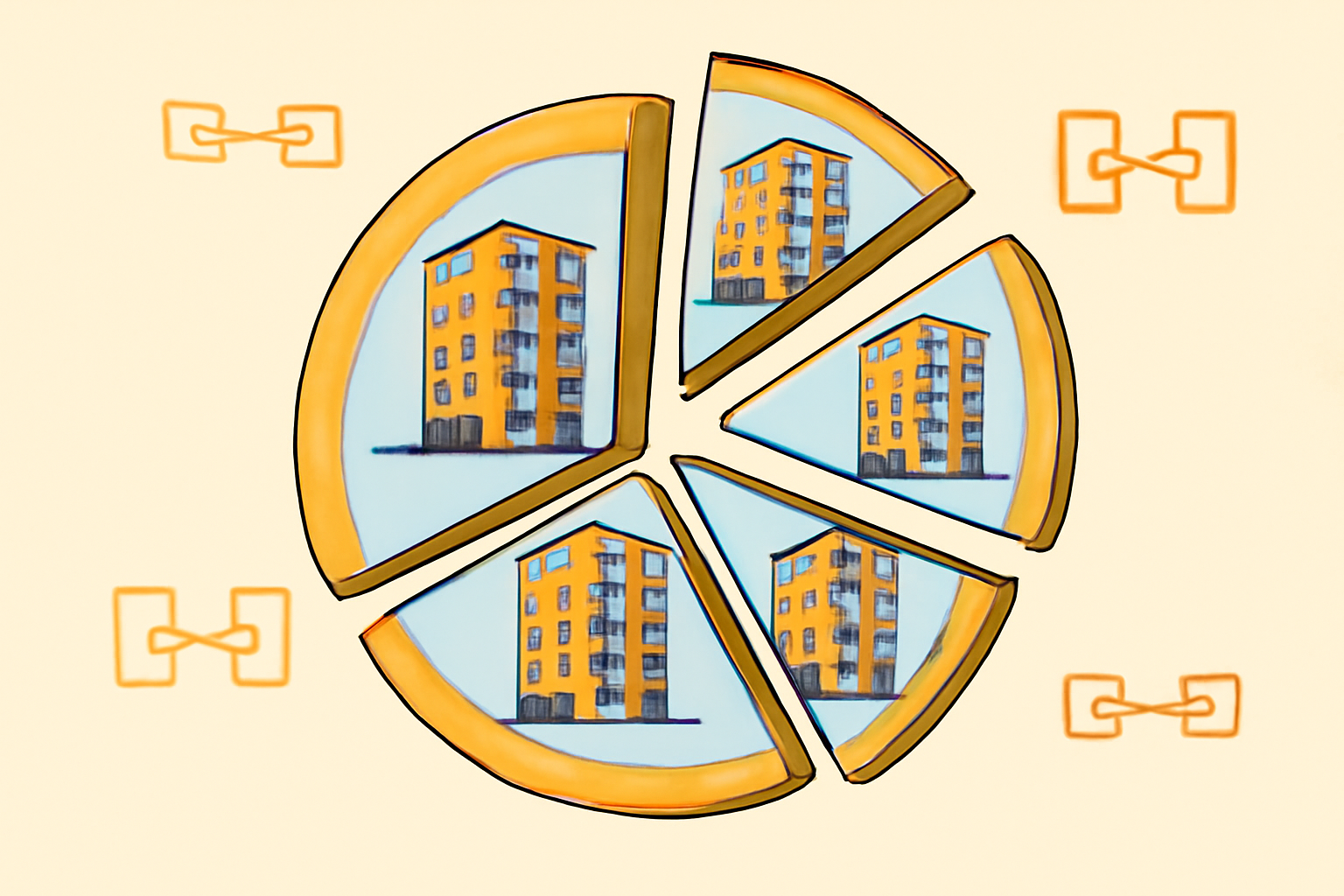
Fractional real estate tokens represent proportional ownership in a physical property, recorded securely on a blockchain ledger. Instead of buying an entire building or apartment, you can own a fraction, sometimes as little as 0.01%: of a property through these tokens. This innovation opens doors to global real estate markets with lower capital requirements and increased liquidity compared to traditional models.
For example, platforms like RealT have tokenized hundreds of properties across the United States, enabling investors worldwide to earn daily rental income paid directly in cryptocurrency. The transparency and efficiency of blockchain ensure that every transaction and ownership record is immutable and easily auditable.
Step-by-Step: How Beginners Can Invest in Property Tokens
The process of investing in property tokens is straightforward but requires careful attention at each stage:
How to Invest in Fractional Real Estate Tokens: A Visual Step-by-Step Guide
- Understand the Basics: Begin by familiarizing yourself with key concepts such as tokenization, smart contracts, and blockchain security. Resources like our beginner’s guide offer foundational knowledge tailored for first-time investors.
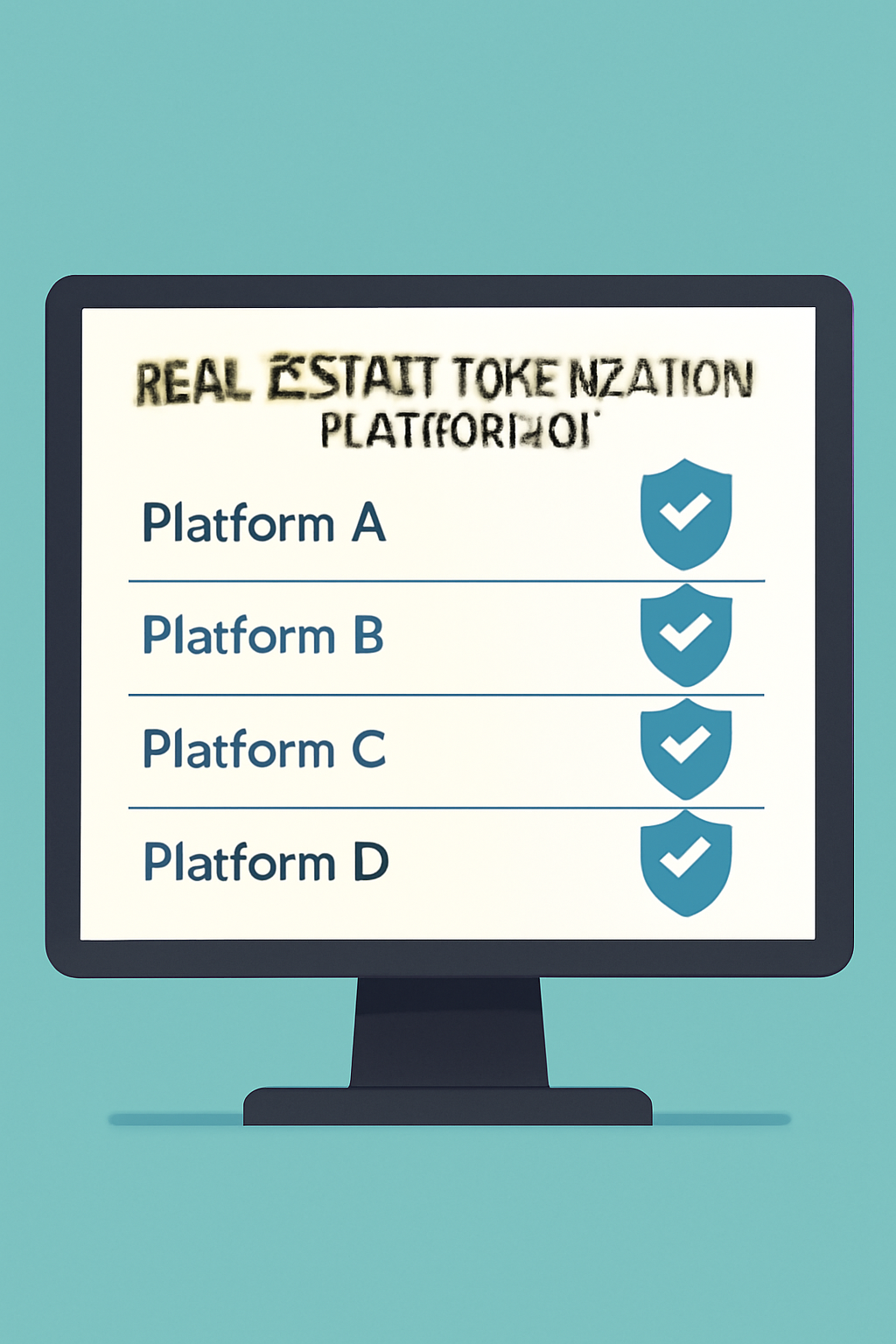
- Select a Reputable Platform: Choose from established platforms like RealT, ProperFi, or OwnProp. Look for features such as regulatory compliance, transparent reporting, robust security measures (including KYC/AML procedures), and clear fee structures.
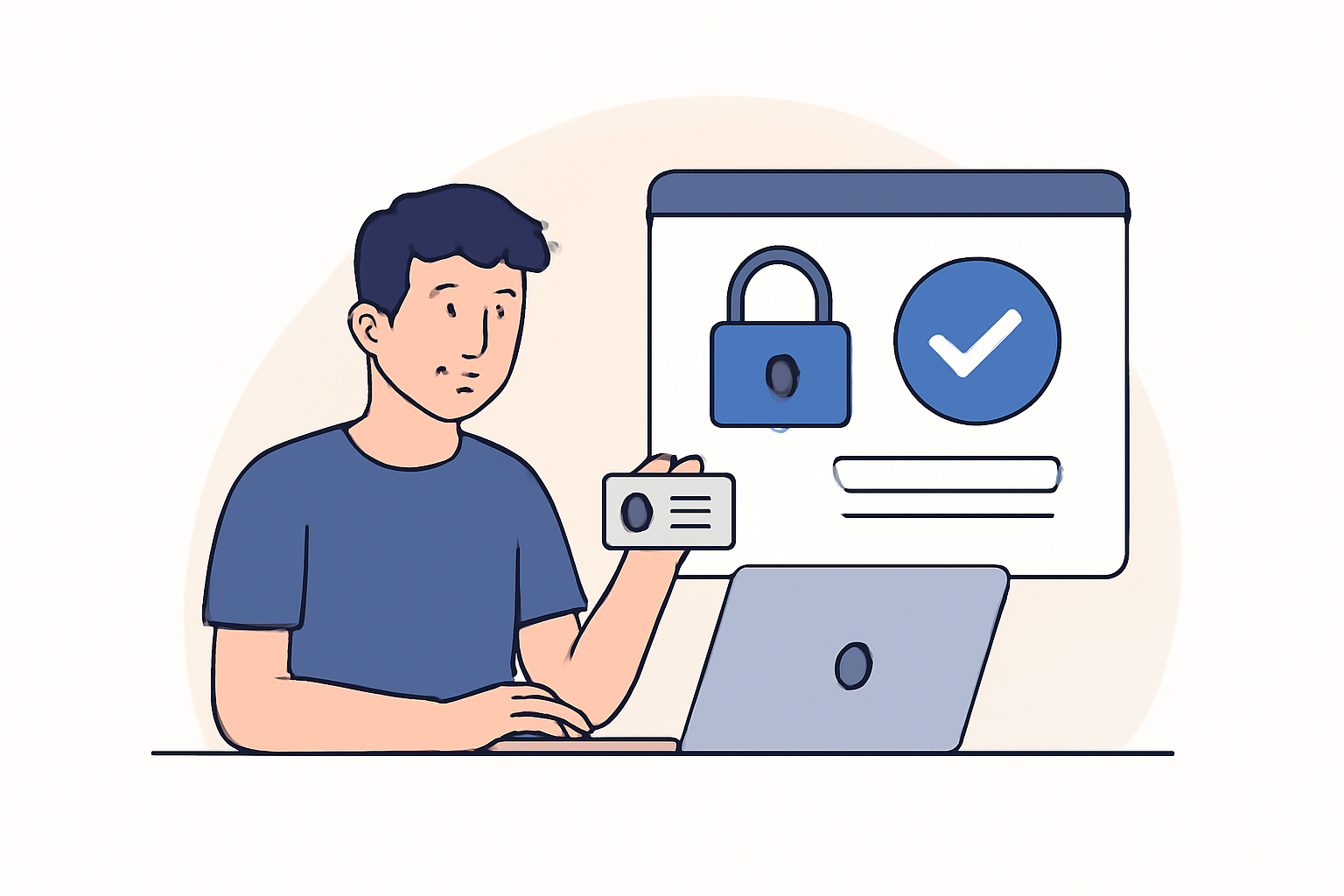
- Create Your Account and Verify Identity: Registration typically involves providing personal information and completing KYC/AML checks to comply with financial regulations. This step protects both you and the platform from fraud or illicit activity.
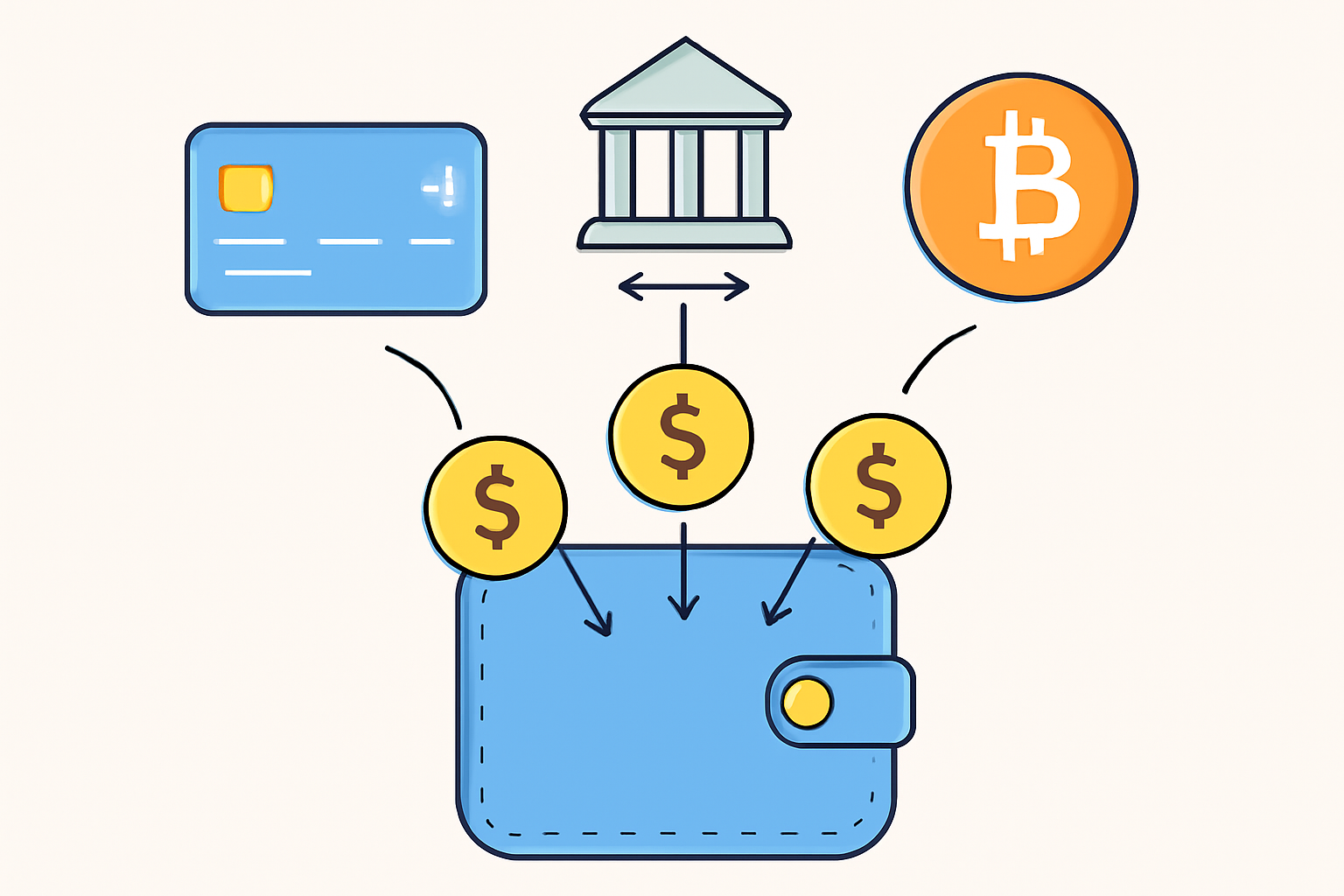
- Add Funds: Deposit money into your account using accepted payment methods, these may include bank transfers, credit cards, or cryptocurrencies depending on the platform’s policies.
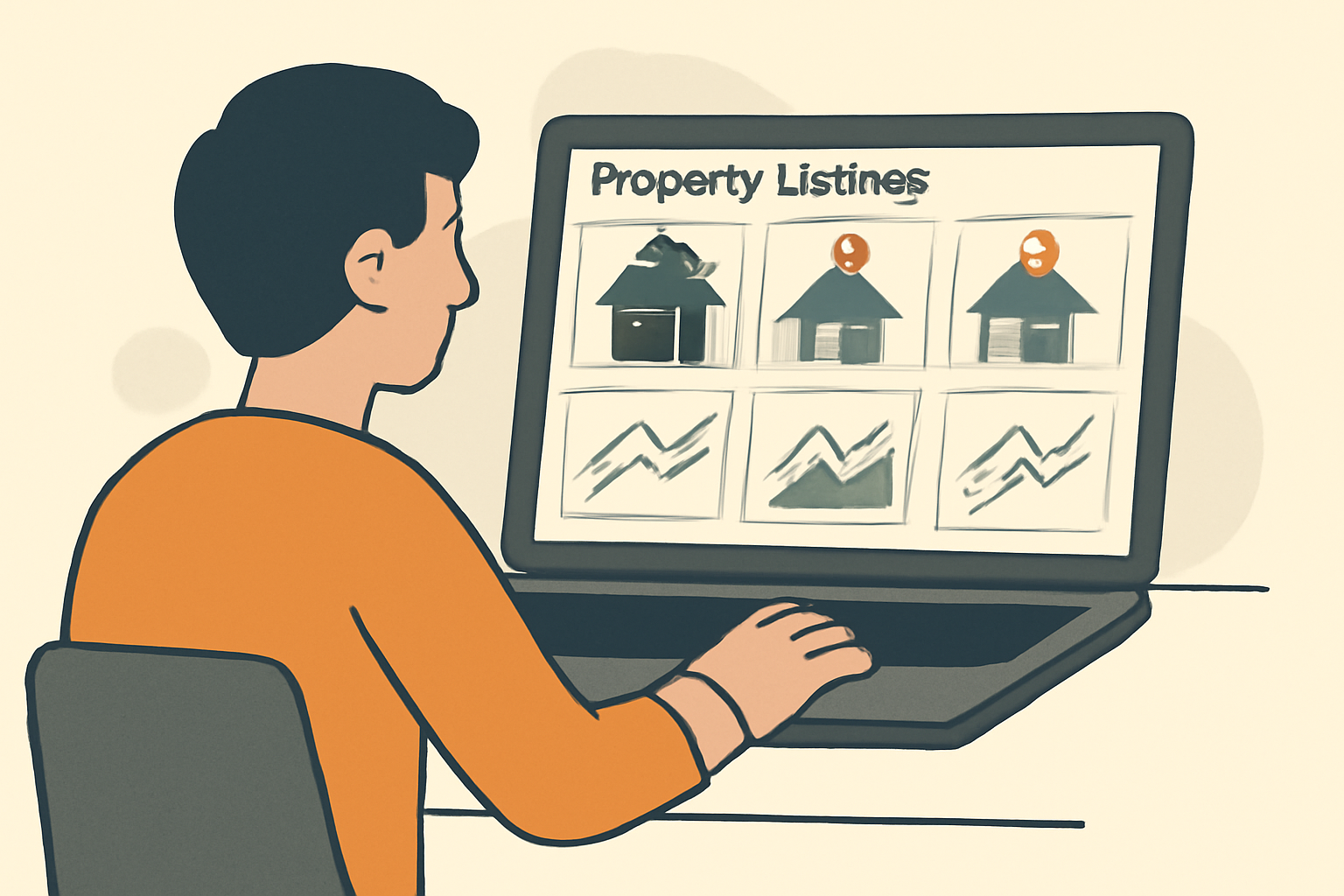
- Select Properties and Purchase Tokens: Browse available listings by location, asset type, yield history, or risk profile. Diversifying across several properties can help manage risk while maximizing potential returns.
Navigating Platforms: What to Look For
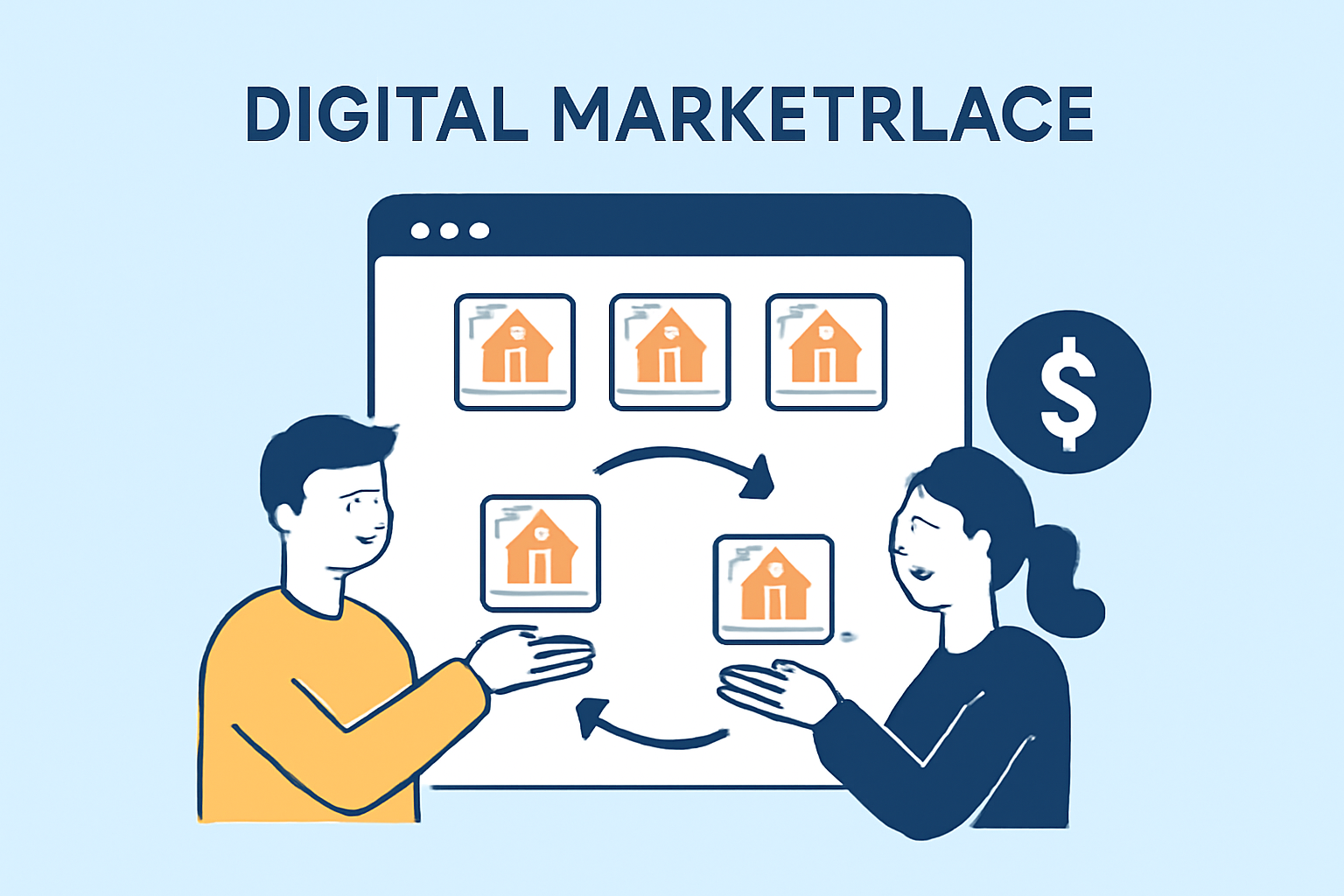
The right platform can make all the difference in your investing experience. Trusted names like RealT distribute rental income daily via stablecoins; ProperFi leverages automated smart contracts for seamless payouts; while OwnProp focuses on low minimum investments ideal for cautious beginners. Always check whether secondary markets are available, this feature allows you to buy or sell your tokens more easily if you need liquidity.
If you want more depth on how fractional ownership works within these systems, including opportunities and risks, explore our detailed analysis at this link.
KYC Verification and Security Considerations
Your journey into beginner tokenized property investment isn’t complete without understanding the importance of security and regulatory compliance. Most reputable platforms require identity verification not just as a legal formality but as a safeguard against fraud and money laundering. Take time to review each platform’s data protection protocols, including encryption standards and insurance coverage, to ensure your assets remain secure throughout every transaction.
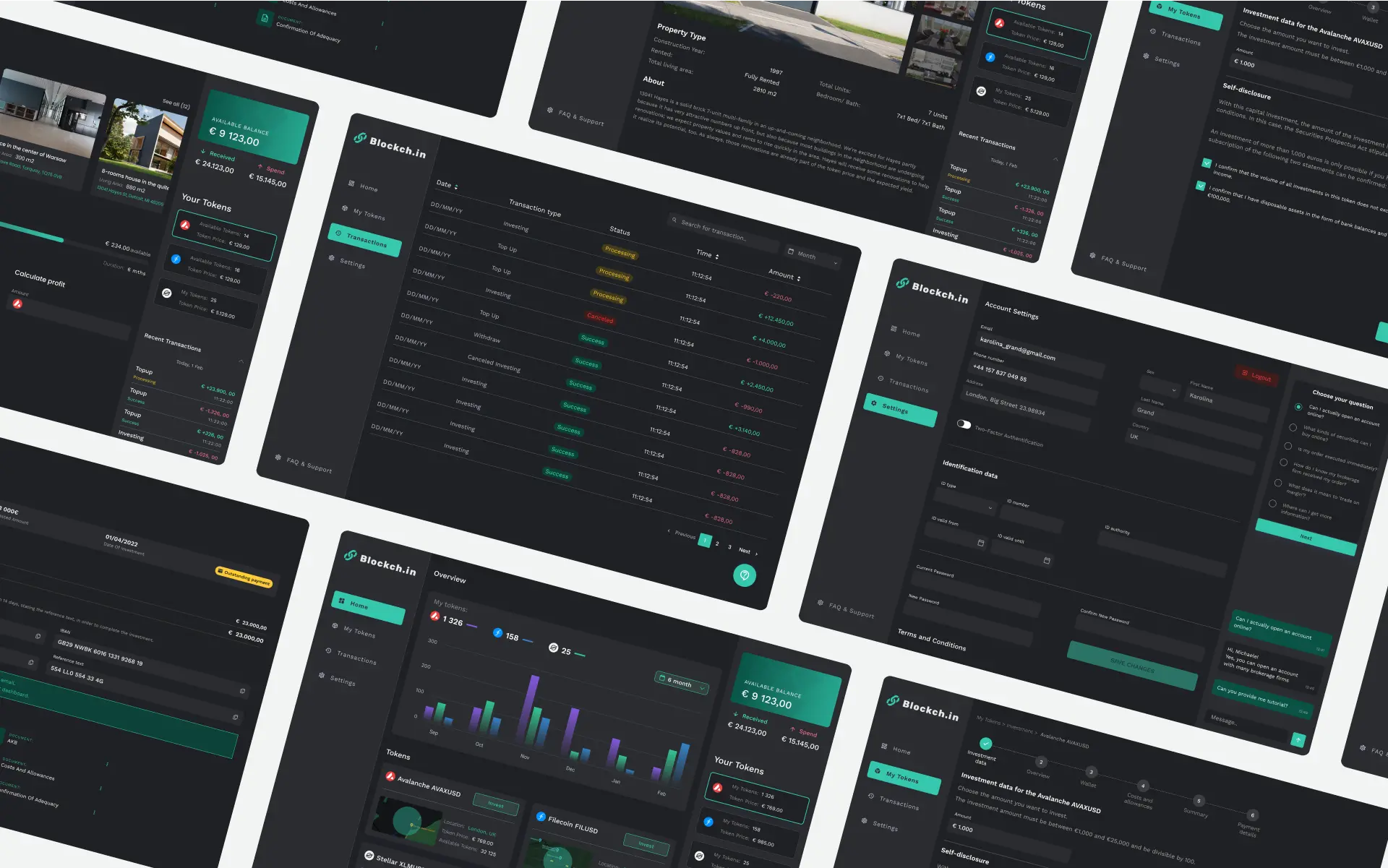
Once you’ve completed KYC verification and funded your account, the real work of building your fractional real estate portfolio begins. Take a disciplined approach: review the due diligence documents provided for each property, such as valuation reports, rental histories, and market analyses. Some platforms offer detailed dashboards with projected yields, occupancy rates, and even live video tours to help you make informed decisions.
Managing Your Investments and Maximizing Returns
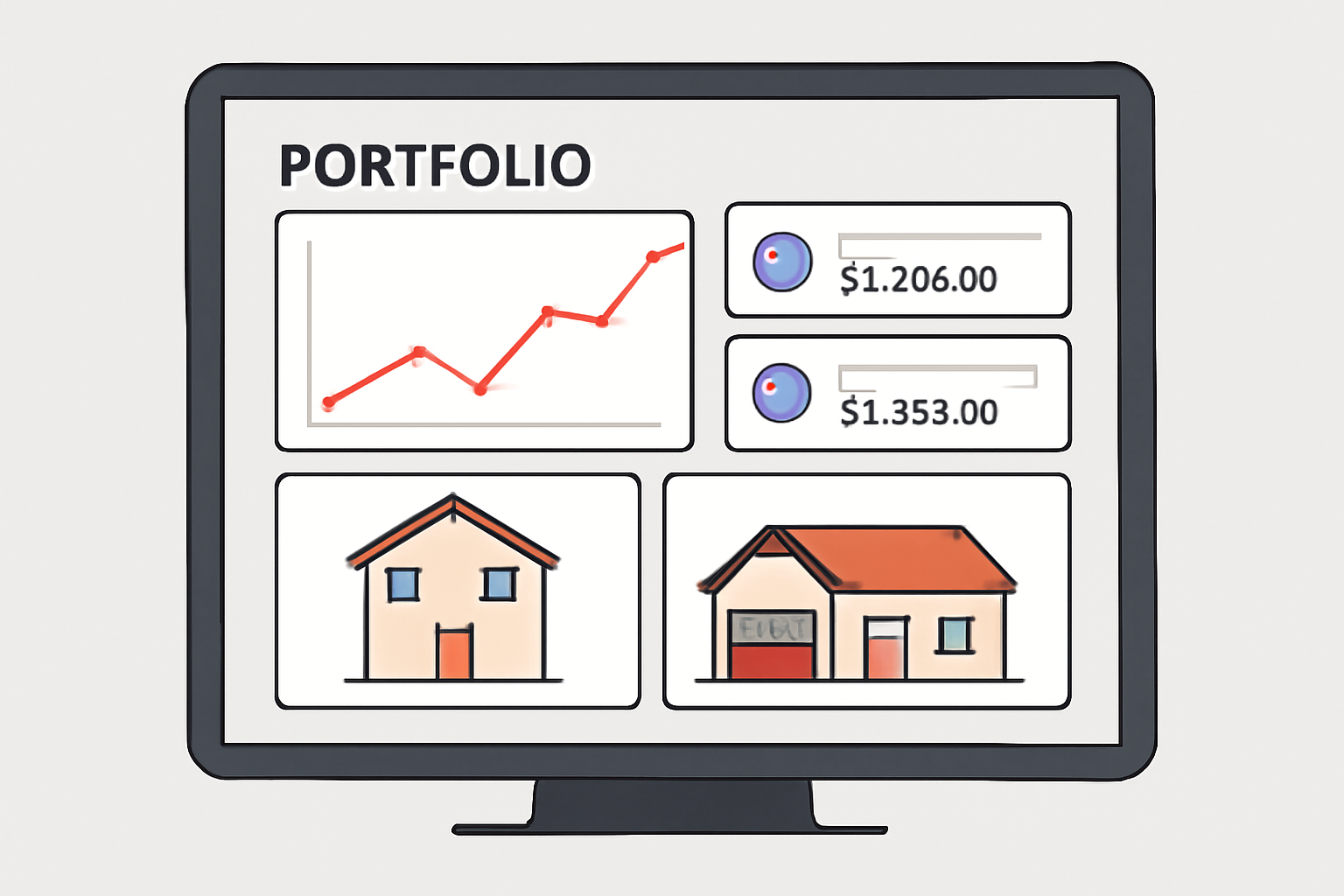
After purchasing your tokens, active portfolio management is key. Use the platform’s dashboard to monitor rental income distributions, property updates, and token price movements. Many platforms issue monthly or even daily payouts directly to your digital wallet, an appealing feature for investors seeking regular cash flow. Remember that diversification remains as important in tokenized real estate as it does in traditional markets; spreading your exposure across different cities or property types can help cushion against localized downturns.
Liquidity is another major advantage of investing in property tokens. Unlike traditional real estate, which can take months to sell, many tokenized platforms provide access to secondary markets where you can list your tokens for sale. This added flexibility means you’re not locked into long holding periods; you can respond more nimbly to changes in market conditions or personal financial needs.
Risks, Taxation, and Regulatory Factors
No investment is without risk. While blockchain technology increases transparency and efficiency, property values can still fluctuate due to broader economic trends or local market dynamics. Additionally, regulatory frameworks are evolving rapidly, fractional real estate tokens may be classified as securities in some jurisdictions. Always consult with a tax advisor about how income from property tokens will be treated in your country; some investors may face capital gains taxes or need to report foreign assets.
It’s also essential to consider exit strategies from the outset. Some platforms restrict token resales for a minimum period due to regulatory requirements or lock-up agreements with property sponsors. Check these terms before committing capital so you understand when and how you’ll be able to liquidate your position if needed.
Building Confidence as a First-Time Investor
Navigating this new landscape can feel daunting at first, but remember that every seasoned investor started somewhere. Take advantage of demo accounts (if available), educational webinars, and community forums offered by leading platforms. Staying engaged with news on regulation and technology will help you anticipate changes that could impact your holdings.
If you’re ready to take the next step or want a more comprehensive walkthrough tailored for beginners, our full guide covers everything from platform selection through tax implications: How to Invest in Fractional Real Estate Tokens: A Step-by-Step Guide for 2024.
The rise of fractional real estate tokens is reshaping what it means to be a property investor, lowering barriers while offering greater flexibility and global reach. By starting small, diversifying wisely, and staying informed about evolving regulations, even first-time investors can harness the power of blockchain-enabled real estate ownership.




No comments yet. Be the first to share your thoughts!