
How AI real estate tokenization works
AI real estate tokenization combines two distinct technologies to solve the liquidity problem in property markets. First, tokenization converts physical assets into digital tokens on a blockchain, allowing fractional ownership. Second, AI algorithms analyze vast datasets to value those properties, predict performance, and manage compliance. This combination lowers the barrier to entry, turning illiquid buildings into tradeable digital assets.
The process begins with asset selection and valuation. AI models scan market data, rental yields, and neighborhood trends to identify undervalued properties. Once selected, the property is legally structured, and its value is divided into tokens. Investors buy these tokens on regulated platforms, receiving proportional ownership rights and income distributions.
This model offers speed and transparency. Smart contracts automate rent distribution and voting rights, reducing administrative overhead. However, the technology is not without limits. Regulatory frameworks vary by jurisdiction, and AI models depend on the quality of their training data. Investors must understand both the legal structure and the algorithmic logic behind the investment.
How to tokenize real estate step by step
Tokenization turns a physical property into digital tokens on a blockchain. This process splits ownership into smaller, tradable shares. To execute this correctly, you need a structured approach that handles legal, technical, and financial layers.
Start by choosing a platform that aligns with your jurisdiction. EY notes that tokenization is a new era for property investment, but regulatory frameworks vary. Look for platforms with clear legal structures and existing partnerships with real estate firms. Avoid platforms that lack transparency about their legal entity or custody solutions.
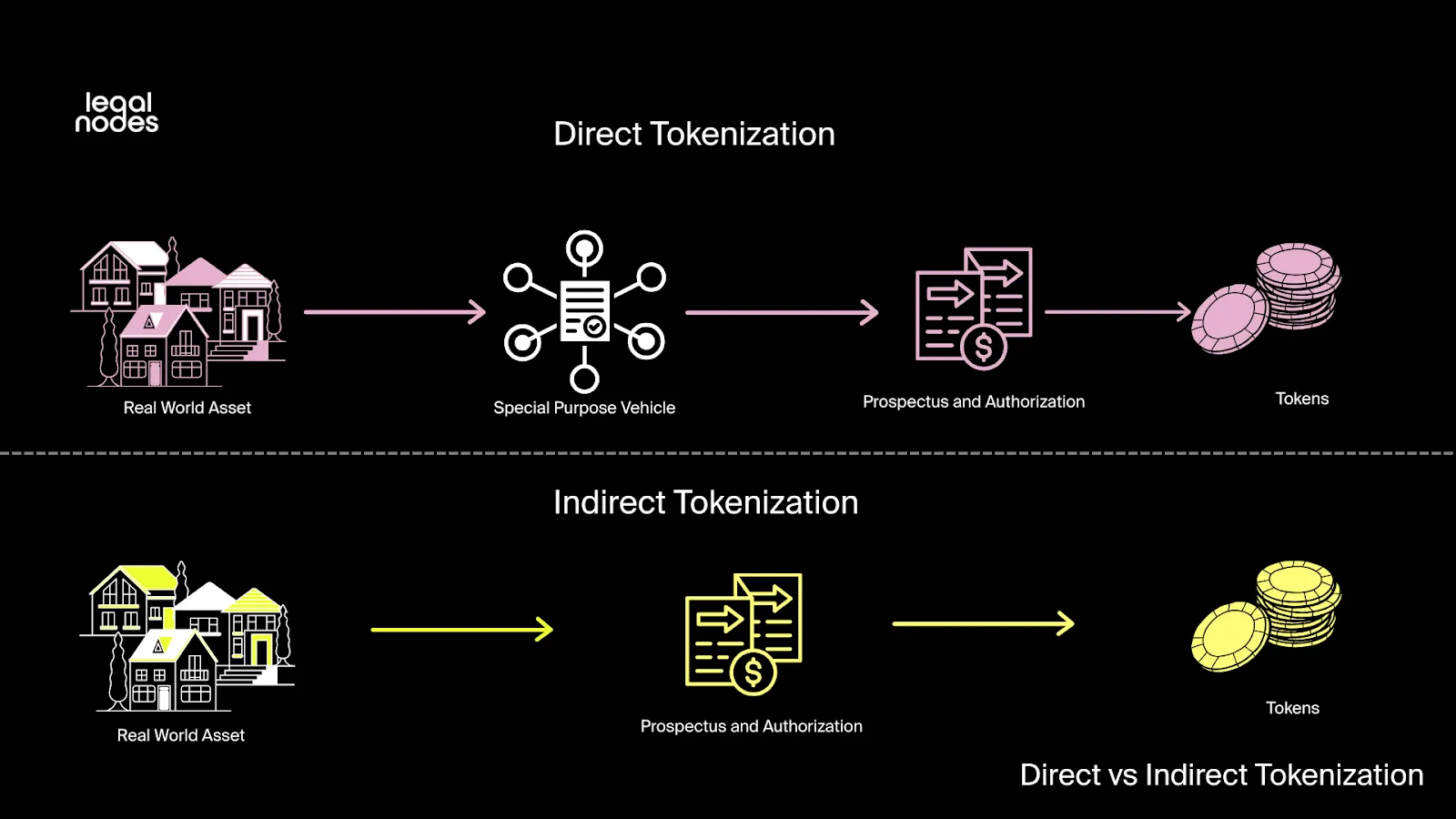
You cannot tokenize raw property directly. You must place the asset into a legal wrapper, typically a Special Purpose Vehicle (SPV) or a trust. This entity holds the deed to the property. The tokens then represent ownership shares in the SPV, not the building itself. This structure ensures that token holders have legal rights to the underlying asset.

Smart contracts automate the issuance and transfer of tokens. Hedera explains that these contracts transform property into digital tokens that can be sold on blockchain platforms. Configure the contract to enforce transfer restrictions, such as KYC (Know Your Customer) checks. This ensures only verified investors can buy or sell tokens, maintaining compliance with securities laws.
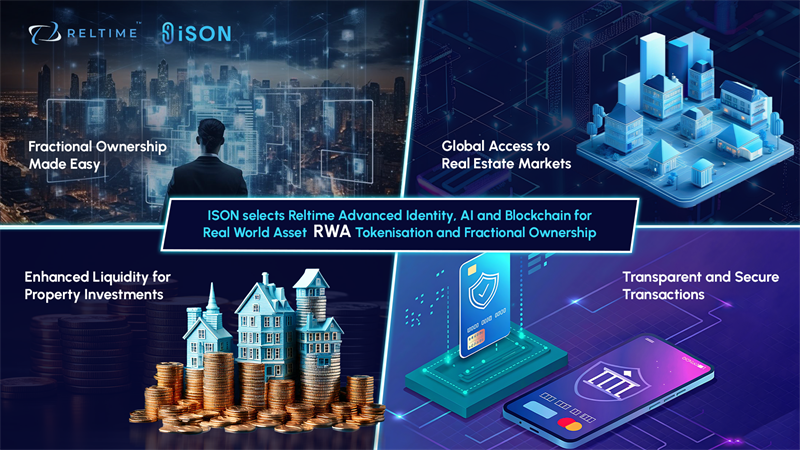
Once the legal and technical structures are ready, mint the tokens. The total value of the tokens should match the appraised value of the property. Distribute tokens to investors through the platform. Ensure the distribution mechanism allows for secondary trading if liquidity is a goal. Track all transactions on the blockchain for immutable record-keeping.
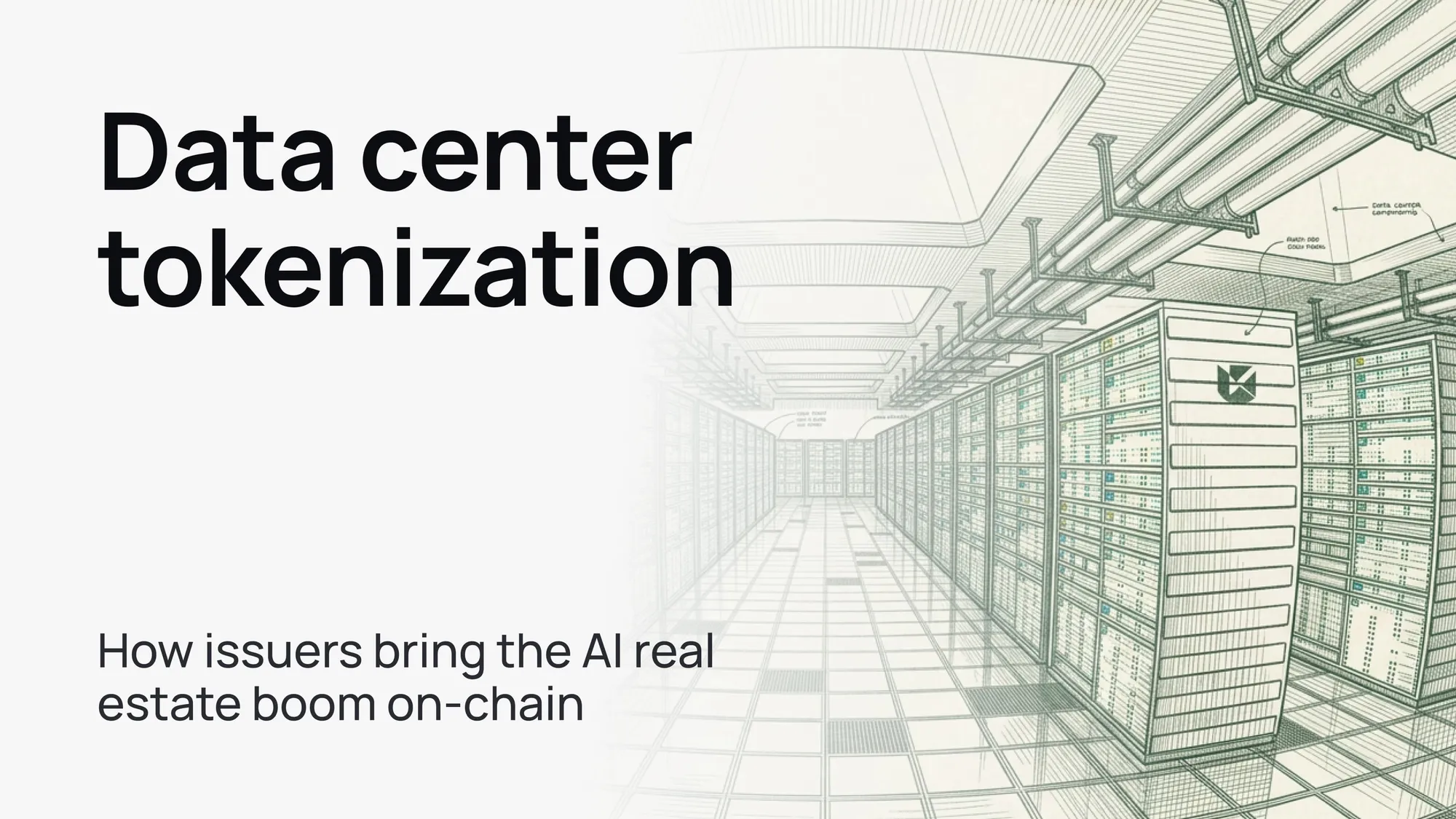
Tokenization is not a one-time event. You must manage ongoing compliance, including dividend distributions, tax reporting, and investor communications. Use the blockchain to automate dividend payments to token holders. Regularly audit the legal entity to ensure it remains in good standing. Failure to maintain compliance can lead to regulatory penalties or the freezing of token transfers.
Spotting Weak Options and Misleading Claims
The promise of fractional real estate investment is accessible liquidity, but the current market is rife with platforms that obscure the actual mechanics of tokenization. Before committing capital, you must distinguish between a true fractional ownership structure and a tokenized security that functions more like a high-risk equity fund. Many platforms market "fractional" ownership while retaining significant control rights with the issuer, effectively turning your token into a passive investment with limited recourse. This distinction is critical for managing risk in a high-stakes asset class.
Common Mistakes in Token Selection
A frequent error is assuming all tokenized properties offer the same level of transparency. Legitimate platforms provide on-chain data regarding rental distributions and property maintenance costs. If a platform relies solely on quarterly PDF reports without blockchain verification, the data is unverifiable and potentially manipulated. Always check if the smart contract governing the token is open-source and audited by a reputable firm. Without this technical foundation, you are investing based on trust rather than proof.
Evaluating Platform Viability
Not all tokenization companies offer equal value. The "best" option depends on your specific investment goals, whether that is yield, appreciation, or diversification. Avoid platforms that bundle diverse properties into a single fund without clear asset-level granularity. This structure dilutes your ability to react to specific market shifts in a particular neighborhood or property type. Instead, look for platforms that allow you to select individual assets or clearly defined portfolios. This approach ensures your investment thesis remains intact and aligned with your risk tolerance.
Red Flags to Watch For
Beware of platforms promising guaranteed returns or unrealistic appreciation rates. Real estate is illiquid, and even tokenized versions cannot escape market cycles. If a platform downplays the secondary market liquidity risks, it is misleading its investors. While blockchain enables trading, finding a buyer for a specific property token can take time, especially during market downturns. Ensure the platform has a clear mechanism for buybacks or secondary trading, and understand the fees associated with exiting your position early.
Ai real estate tokenization: what to check next
Fractional ownership through blockchain is still maturing, which leaves investors with practical questions about legality, valuation, and market access. Before committing capital, you need to understand the regulatory hurdles and the specific mechanics that separate legitimate tokenized deals from speculative noise.
No comments yet. Be the first to share your thoughts!