
What tokenized real estate means in 2026
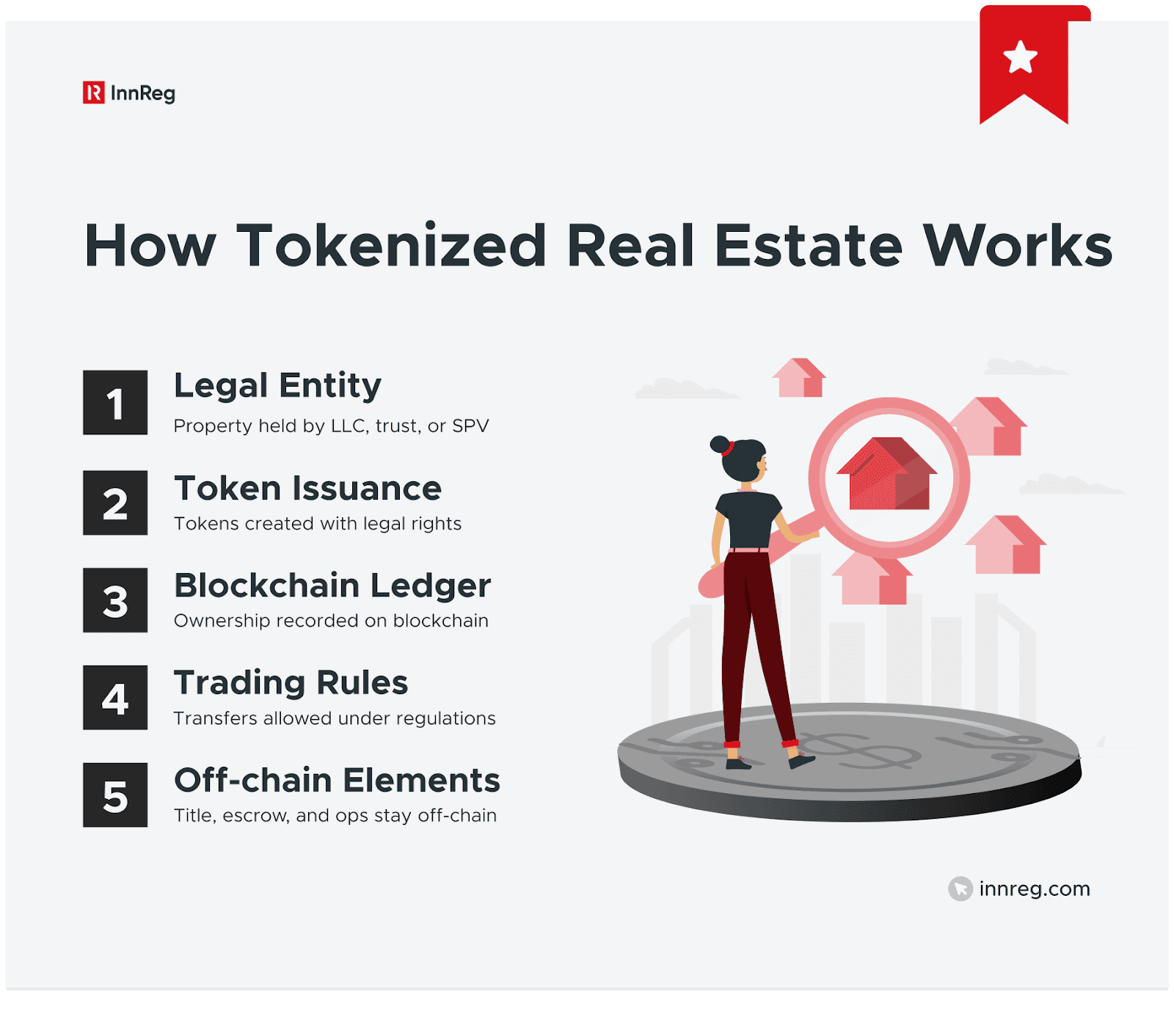
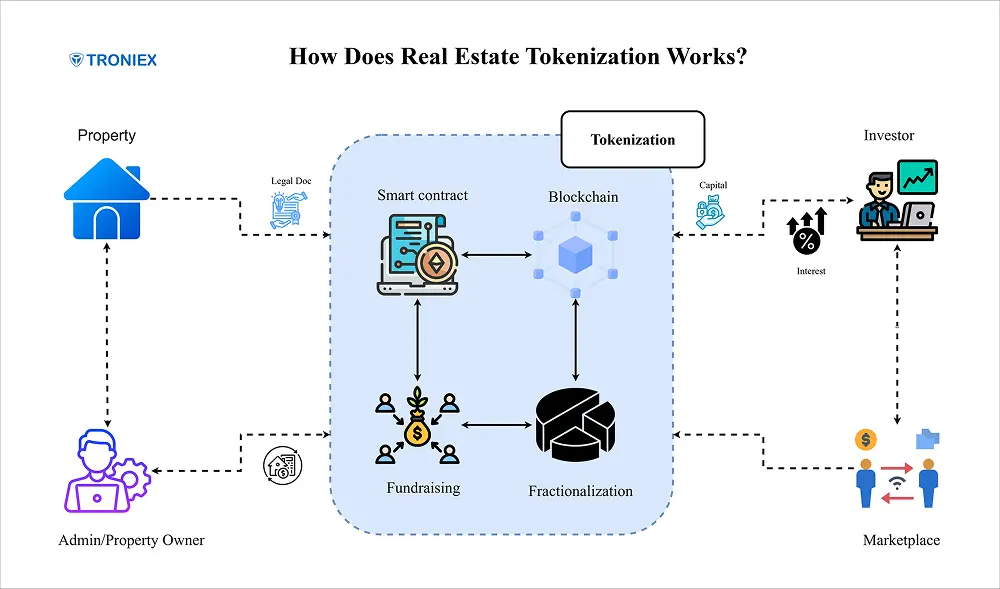
Tokenized real estate converts physical property into digital tokens on a blockchain. These tokens represent fractional ownership shares in an asset, allowing investors to buy and sell portions of buildings rather than entire properties. This structure mirrors traditional real estate investment trusts (REITs) but removes the middlemen, replacing them with smart contracts that automate transactions and compliance.
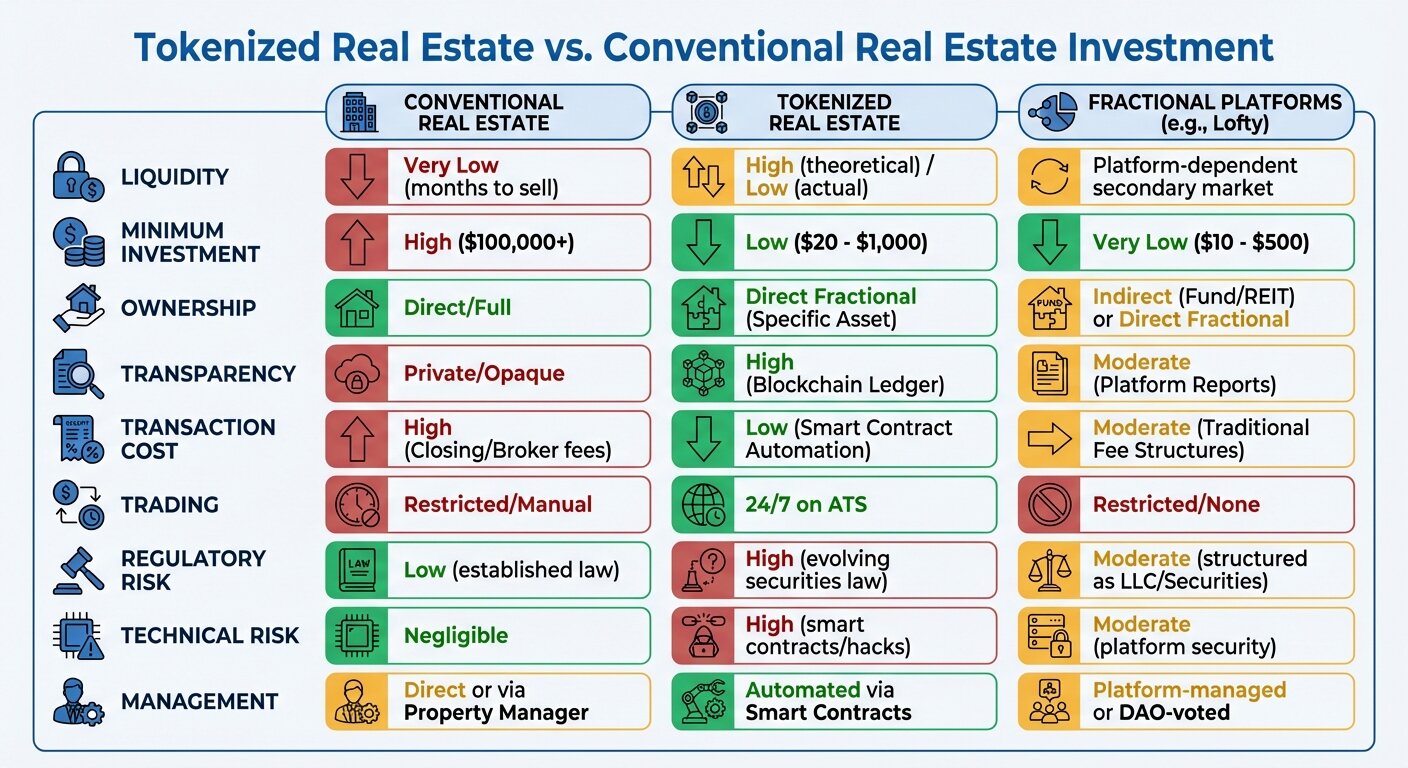
The shift toward liquid, fractional ownership is driven by the need for greater accessibility. Traditional real estate requires significant capital and locks funds for years. Tokenization lowers the entry barrier, enabling smaller investors to diversify across multiple assets while providing a secondary market for trading shares. This liquidity is a fundamental departure from the illiquidity of conventional property investment.
The market is expanding rapidly. Projections for 2026 forecast the tokenized real estate market to exceed $1.4 trillion, reflecting a compound annual growth rate (CAGR) of over 50% [src-serp-2]. This growth is fueled by institutional adoption and the maturation of regulatory frameworks that ensure token holders have clear legal rights to the underlying assets.
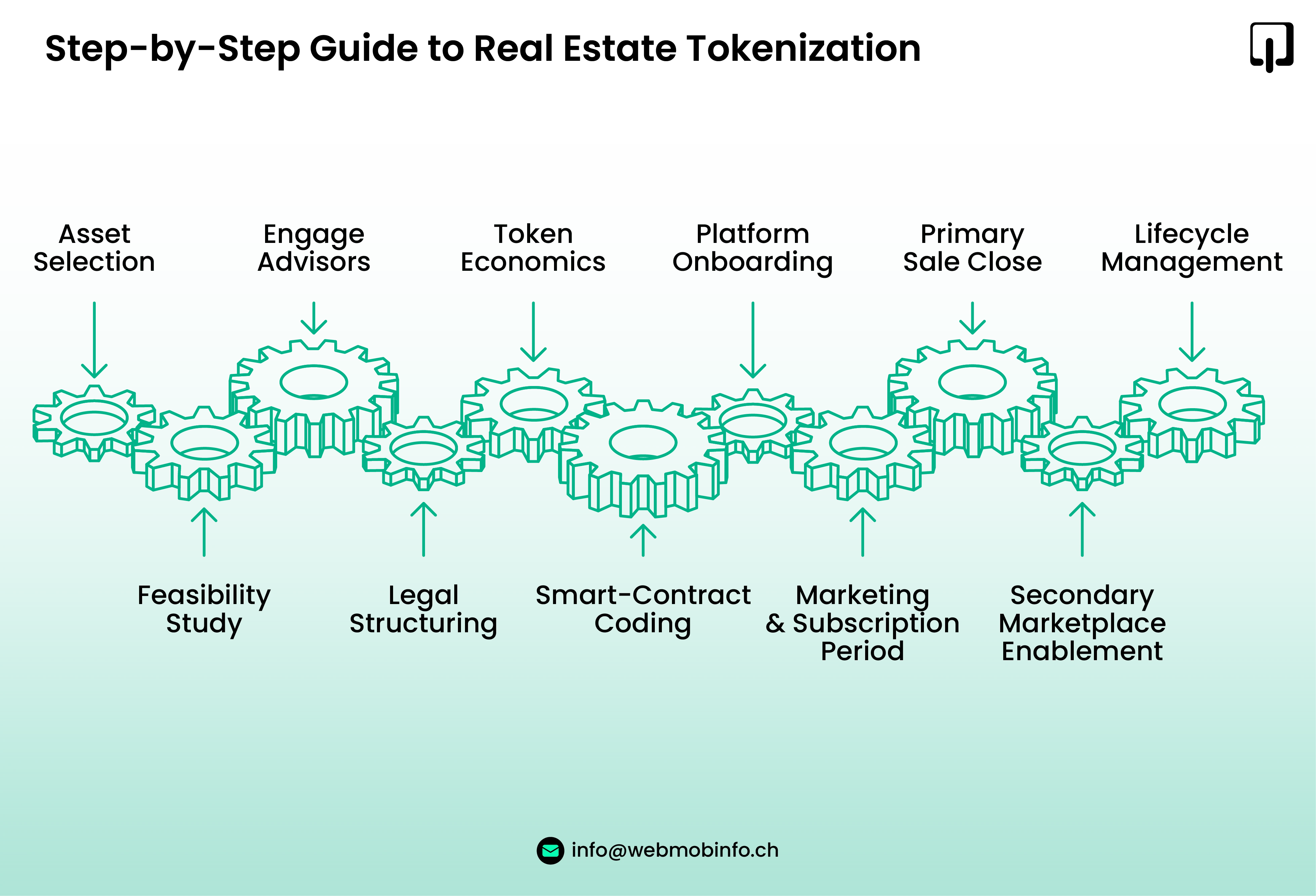
While the technology promises efficiency, it introduces new risks. Smart contract vulnerabilities and regulatory uncertainty remain concerns. Investors must understand that tokenized assets are not identical to stocks; they are tied to physical real-world assets, which means their value is influenced by local market conditions and property management performance, not just broader financial trends.
How to buy tokenized real estate step by step
Buying tokenized real estate requires navigating a regulated digital marketplace. Unlike traditional property purchases, this process involves digital identity verification and cryptocurrency transactions. The workflow is linear but demands strict adherence to compliance protocols to ensure your investment is secure and legal.
Follow this five-step sequence to execute your first fractional property investment.
Select a platform that complies with local securities laws. Look for providers that conduct rigorous due diligence on properties and offer clear legal structures for token holders. Reputable platforms often display their regulatory licenses prominently. Prioritize platforms that have been audited by third-party firms to verify their smart contract security and operational integrity.
All legitimate tokenized real estate platforms require Know Your Customer (KYC) verification. You will need to submit government-issued ID and proof of address. This step is mandatory to prevent money laundering and ensure only accredited or qualified investors participate, depending on the jurisdiction. The process typically takes 24-48 hours for manual review.
Deposit funds into your platform account using accepted methods. Most platforms support wire transfers, credit cards, or stablecoins like USDC. Ensure you understand the transaction fees associated with each method. For cryptocurrency deposits, verify the network compatibility (e.g., Ethereum, Polygon) to avoid lost funds. Keep records of all deposit confirmations for tax purposes.
Browse available property listings. Each listing includes detailed financial projections, property condition reports, and legal documentation. Review the expected annual yield, projected appreciation, and any associated management fees. Compare multiple properties to diversify your risk. Pay close attention to the lock-up period, which dictates how long your capital is committed before you can sell your tokens.
Once you’ve selected a property, confirm the number of tokens you wish to purchase. Review the transaction summary, including the total cost and any platform fees. Submit the trade to finalize your ownership. You will receive a digital receipt and your tokens will appear in your portfolio dashboard. These tokens represent fractional ownership in the underlying real estate asset.
top platforms for fractional property investment
Choosing the right platform requires matching your capital constraints and risk tolerance to the platform’s regulatory framework. In 2026, the market has consolidated around a few major players that offer distinct advantages depending on whether you prioritize low minimums, institutional-grade assets, or specific geographic exposure. The following comparison highlights the primary options available to retail and accredited investors.
| Platform | Minimum Investment | Asset Type | Jurisdiction/Regulation |
|---|---|---|---|
| Lofty.ai | $25 | Residential (US) | SEC Reg D/C |
| RealT | $10 | Residential (US) | SEC Reg A+ |
| Tokeny | $1,000+ | Commercial/EU | MiCA Compliant |
| Propy | $50,000+ | Luxury/Global | Varies by Asset |
Lofty.ai remains a common entry point for new investors due to its extremely low barrier to entry. By allowing fractional purchases starting at $25, it democratizes access to US residential rentals. The platform structures these investments under SEC Regulation D or A+ frameworks, providing a layer of regulatory oversight that distinguishes it from unregulated crypto projects. This structure ensures that token holders hold legal beneficial interest in the underlying property, not just a speculative digital asset.
RealT offers a similar model but with a focus on fully fractionalized single-family homes across multiple US states. Its Reg A+ status allows for broader participation, including non-accredited investors in many cases. The platform handles property management, tenant screening, and rent distribution automatically, distributing cash flow to token wallets weekly. For investors seeking passive income without landlord responsibilities, RealT provides a streamlined, albeit lower-yield, alternative to direct ownership.
For higher-net-worth individuals seeking commercial real estate or European exposure, platforms like Tokeny and Propy operate in different regulatory spheres. Tokeny focuses on compliance with the EU’s Markets in Crypto-Assets (MiCA) regulation, offering institutional-grade tokenization for commercial properties. Propy often deals with high-value, cross-border transactions, requiring larger minimum investments but offering access to luxury markets that are typically inaccessible to fractional investors. These platforms prioritize legal clarity and cross-border compliance over low entry costs.
When selecting a platform, verify the specific securities regulation under which the tokens are issued. SEC Regulation D limits participation to accredited investors, while Reg A+ opens the door to the general public. This distinction directly impacts liquidity, reporting requirements, and the legal recourse available to investors in the event of platform failure or property dispute. Always review the platform’s whitepaper and legal disclosures to understand how your token rights translate to actual property ownership.
AI valuations and liquidity changes
Tokenized real estate changes how we price and move property. The technology shifts two traditional bottlenecks: the accuracy of the initial valuation and the speed at which ownership changes hands.
How AI improves valuation accuracy
Traditional appraisals often rely on limited comparable sales and human intuition, which can introduce significant error margins. AI-driven models analyze vast datasets including historical transaction records, local zoning changes, and even satellite imagery of neighborhood development. This data density allows for more precise pricing, reducing the friction during due diligence.
Note on AI impact: Faster, more accurate valuations reduce due diligence friction.
When investors can trust the price tag, they are more willing to participate in the market. This trust is essential for a market that relies on digital tokens rather than physical deeds. The algorithm does not replace the appraiser; it gives them a sharper tool.
Why tokenization boosts liquidity
Traditional real estate is illiquid. Selling a property can take months, involving brokers, inspections, and closing costs. Tokenization breaks a property into digital shares that can be traded on secondary markets. This structure allows investors to buy or sell fractions of a building with the same ease as trading stocks.
Recent research suggests that when tokenization is operationalized through blockchain-based conveyancing systems, it can dramatically improve market efficiency. The barrier to entry drops, and the time to execute a trade shrinks from months to minutes. This liquidity is the primary advantage for investors who want exposure to real estate without tying up capital for years.
Checklist before you invest
Tokenized real estate remains a niche market, representing less than 0.1% of the global property sector Forbes 2026. This small share reflects significant structural risks that go beyond standard property management. Before committing capital, verify that the platform operates within clear regulatory boundaries and that the underlying assets are legally sound.
The following steps ensure you mitigate regulatory, technical, and liquidity risks before buying fractional property.
-
Verify regulatory status: Confirm the platform is registered with relevant financial authorities (e.g., SEC in the US, FINMA in Switzerland) and that tokens are offered as compliant securities.
-
Review smart contract audits: Ensure the code governing token transfers and ownership has been audited by a reputable third-party security firm.
-
Check asset due diligence: Verify that the real-world property is properly titled, insured, and managed by a professional property manager.
-
Assess liquidity terms: Understand the lock-up periods, secondary market availability, and fees associated with selling your fractional shares.
-
Confirm KYC/AML compliance: Ensure the platform requires identity verification to prevent money laundering and protect investor accounts.
Regulatory clarity is your primary defense. If a platform cannot provide clear documentation on how it complies with securities laws, walk away. Similarly, never invest in a tokenized asset without proof of a recent, professional smart contract audit. These checks are not optional; they are the baseline for safety in this high-stakes environment.
Common questions about tokenized real estate
Investors are asking how this technology actually functions in practice, where to find legitimate platforms, and whether the risk profile justifies the potential returns. The market is still nascent, representing less than 0.1% of the global property market, so regulatory clarity and platform reliability are paramount [Forbes].
No comments yet. Be the first to share your thoughts!