
Get Tokenized Real Estate 2026 Right
Tokenized real estate 2026 is no longer a speculative experiment; it is a regulated financial instrument that requires the same diligence as traditional securities. Before you allocate capital, you must verify the legal structure, the technology stack, and the liquidity mechanics. Skipping these checks turns a fractional ownership opportunity into a high-risk gamble.
Verify Legal Jurisdiction and Compliance
The foundation of any tokenized asset is its legal wrapper. In 2026, platforms operating under the SEC’s Regulation D or D+ frameworks in the US, or MiCA-compliant structures in Europe, offer the highest level of investor protection. Ensure the token represents a direct equity stake or a legally enforceable profit-sharing agreement, not just a speculative digital collectible. Check if the platform conducts KYC/AML checks on both issuers and buyers, as this is a non-negotiable standard for legitimate fractional ownership.
Assess the Underlying Asset Quality
A token is only as valuable as the property it represents. Look for platforms that provide transparent, audited property data, including recent appraisals, rental income statements, and expense ratios. Avoid projects that rely on projected returns without historical performance data. The best platforms in 2026 disclose detailed property management strategies, including how vacancies are handled and how maintenance costs are allocated among token holders.
Evaluate Liquidity and Secondary Markets
Real estate is illiquid by nature; tokenization promises to fix this, but the reality varies. Check if the platform offers a built-in secondary market for trading tokens. Understand the trading fees, minimum holding periods, and the depth of the buyer pool. Some platforms restrict sales to qualified investors only, which can freeze your capital for months. A robust secondary market ensures you can exit your position without waiting for a property sale or dividend distribution.
Understand the Technology and Security
The blockchain infrastructure supports the asset but does not guarantee its value. Verify that the platform uses established, audited smart contracts on reputable networks like Ethereum or Polygon. Beware of platforms using obscure, unaudited chains. Additionally, check how private keys are managed. Custodial solutions are more common and user-friendly for real estate, while non-custodial options require higher technical expertise. Ensure the platform has a clear protocol for handling smart contract upgrades or bugs.
Calculate All Fees and Costs
Hidden fees can erode returns significantly. Look for platforms that clearly list management fees, transaction fees, and platform subscription costs. Some charge an annual fee on the total investment value, while others take a percentage of profits. Compare these costs against traditional real estate investment trusts (REITs) to ensure the fractional model offers a genuine advantage. Transparent fee structures are a hallmark of trustworthy platforms in 2026.
Check Platform Track Record and Team
Experience matters in a rapidly evolving space. Look for platforms with a proven track record of successful property acquisitions and token sales. Investigate the team’s background in both real estate and blockchain technology. A strong team should have clear communication channels, regular updates, and a responsive support system. Avoid platforms with anonymous teams or those that make unrealistic return promises without adequate risk disclosures.
Work through the steps
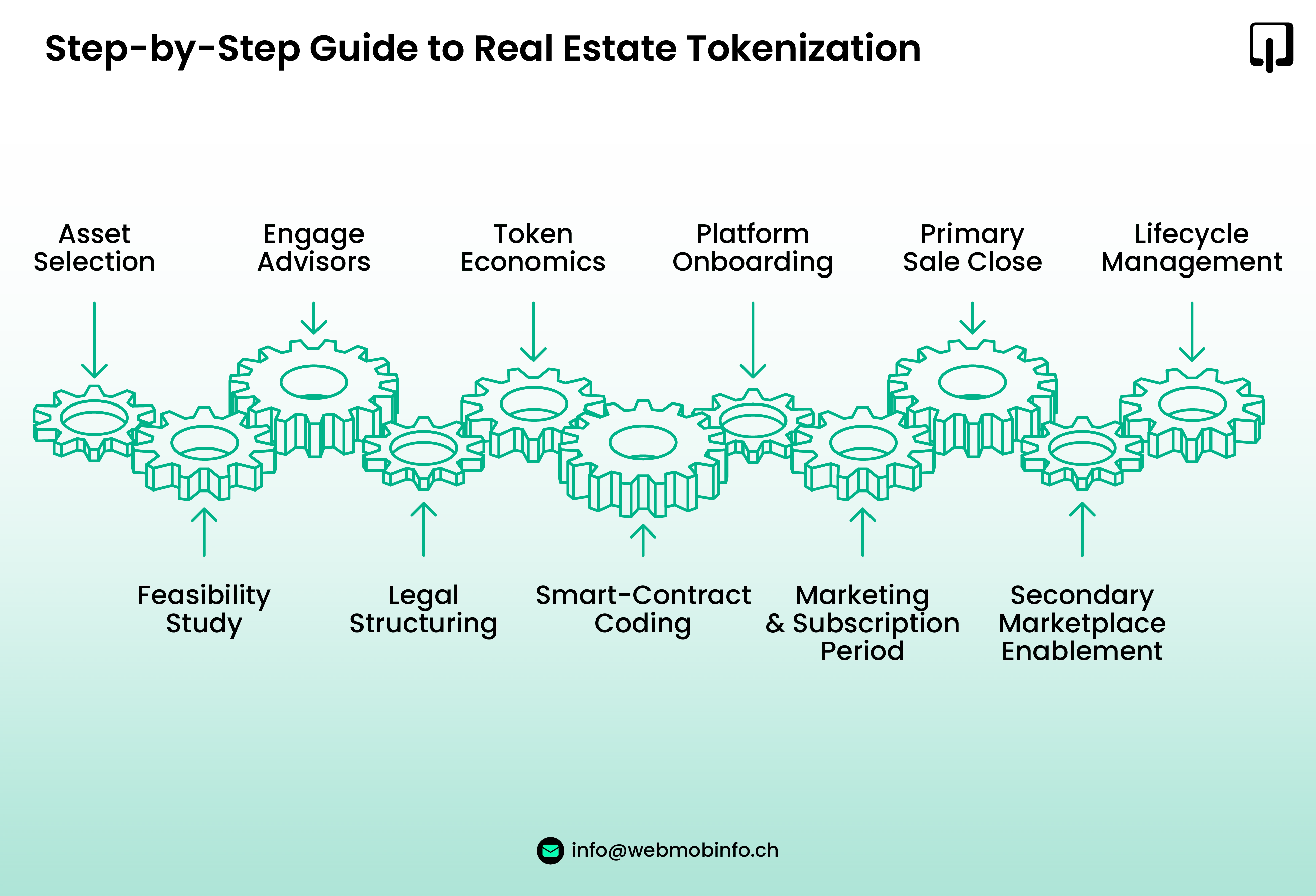
How Tokenized Real Estate Became the Standard for Fractional Ownership works best as a clear sequence: define the constraint, compare the realistic options, test the tradeoff, and choose the path with the fewest hidden costs. That order keeps the advice usable instead of decorative. After each step, pause long enough to check whether the recommendation still fits the reader's actual situation. If it depends on perfect timing, unusual access, or a best-case budget, include a simpler fallback.
Fix common mistakes
Fractional ownership through tokenized real estate sounds simple, but the gap between the pitch deck and the actual deed is where investors lose money. The technology works, but the human processes around it are still prone to error. If you are buying tokens, you are not just buying code; you are buying a legal structure that requires your active participation to remain valid.
Skipping the SPV structure check
Most tokenized properties are held in a Special Purpose Vehicle (SPV), usually a Delaware LLC. The tokens represent membership interests in that LLC, not direct ownership of the building. A common mistake is assuming the token itself grants you rights. It does not. You must review the Operating Agreement of the underlying entity. If the SPV lacks proper insurance, clear distribution waterfalls, or a clear exit strategy, your tokens are worthless paper. Verify that the SPV is properly capitalized and that the management company has a fiduciary duty to token holders. Without this legal wrapper, you have no recourse when things go wrong.
Ignoring the secondary market liquidity trap
You will be told that tokenization provides instant liquidity. In 2026, this is largely a myth for most platforms. While the blockchain allows for instant settlement, the legal framework often restricts who can buy your tokens. Many platforms use transfer agents or require manual approval for every secondary sale to ensure compliance with securities laws. If you need to exit quickly, you may be stuck waiting weeks for a buyer that meets the platform’s accreditation criteria. Check the platform’s historical trading volume and the ease of their resale process before you buy. Do not assume you can sell your tokens as easily as you bought them.
Overlooking the custody risk
Holding your tokens in a personal wallet gives you control, but it also gives you responsibility. If you lose your private keys, you lose your investment forever. Conversely, if you use the platform’s built-in wallet, you are trusting a third party with your assets. This introduces counterparty risk. If the platform is hacked or goes bankrupt, your tokens may be frozen or lost. Many investors make the mistake of treating crypto wallets like bank accounts. They do not. Use a hardware wallet for significant holdings, and understand that the platform’s "user-friendly" interface often comes at the cost of security and self-custody. Read the platform’s terms of service regarding asset recovery and insurance coverage for digital assets.
Tokenized real estate 2026: what to check next
Tokenized real estate represents less than 0.1% of the global property market, yet it is growing rapidly as a niche for fractional ownership. Before committing capital, investors often face practical questions about liquidity, legal structure, and regulatory safety. This section addresses the most common objections to help you evaluate your position.
These questions highlight that tokenization is a financial instrument, not a magic bullet for liquidity. The underlying asset is still real estate, with all its inherent illiquidity and regulatory complexity. Understanding the legal wrapper is the most critical step before buying in.
No comments yet. Be the first to share your thoughts!