
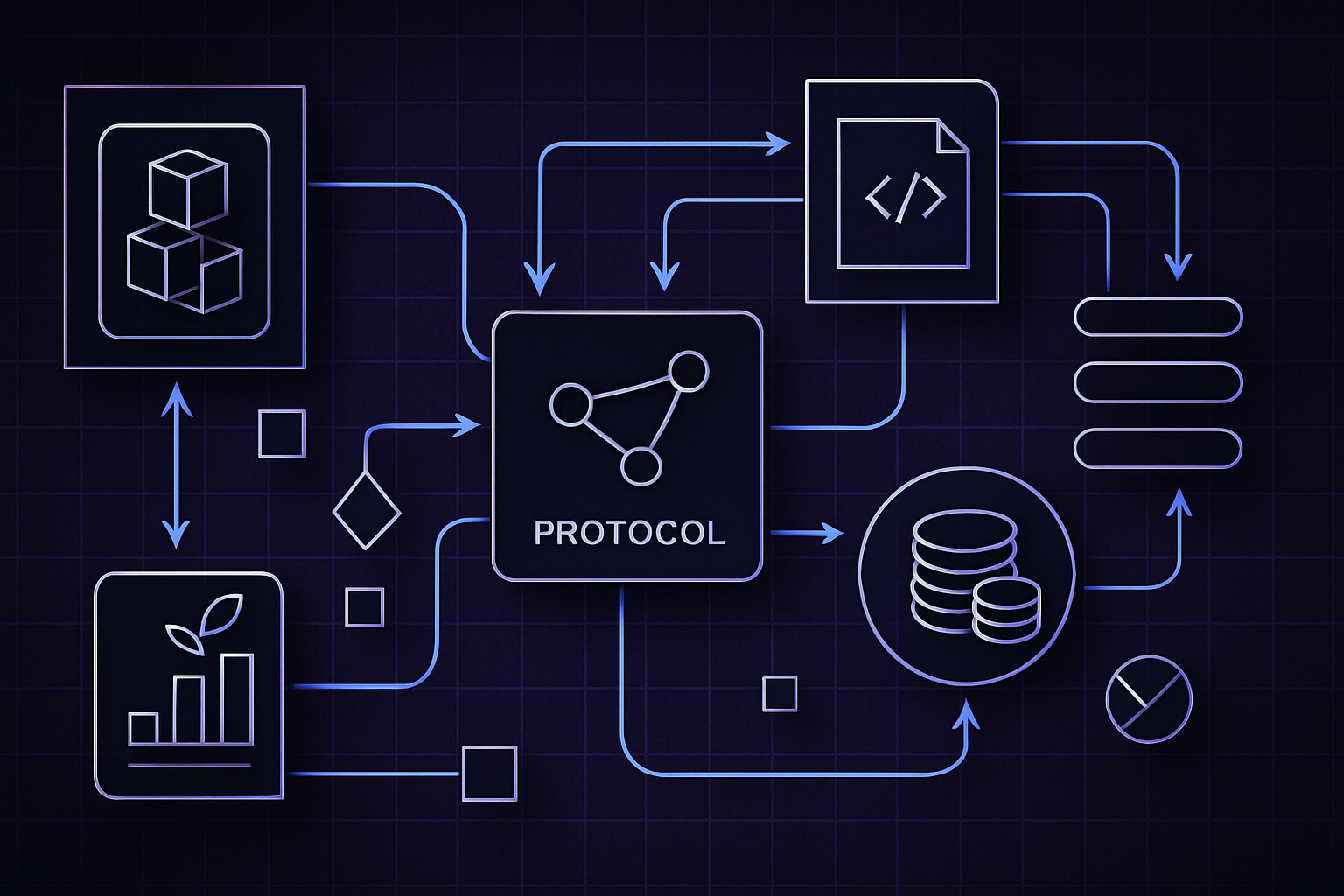
Real estate is entering a new era, with property NFTs at the forefront of this transformation. By leveraging blockchain technology, property NFTs are redefining how ownership and rentals work on a global scale. These digital assets introduce new efficiencies and accessibility that were previously unimaginable in traditional real estate markets.

Fractional Ownership: Expanding Access to Real Estate Investment
Historically, investing in real estate has been the domain of those with deep pockets and access to exclusive networks. High entry costs, complex legal frameworks, and illiquidity have kept many potential investors on the sidelines. Property NFTs are changing this paradigm by enabling fractional ownership. Through tokenization, a single property can be divided into hundreds or thousands of unique digital shares, each represented as an NFT on-chain.
This model allows individuals to buy fractions of properties worldwide, sidestepping traditional barriers such as minimum investment thresholds or geographic restrictions. Platforms like Property Holders and Landshare are already demonstrating how fractional investment via NFTs can generate passive income streams for a global investor base without the headaches of direct property management.
Enhanced Liquidity and Streamlined Transactions
If you’ve ever bought or sold real estate, you know how cumbersome and slow the process can be, paperwork, escrow accounts, intermediaries, weeks (or months) of waiting. By contrast, tokenized real estate turns properties into instantly tradable digital assets. Marketplaces like Roofstock onChain have proven that entire properties can be transferred via NFT sales in minutes rather than months.
This leap in liquidity is not just theoretical. It’s happening now: buyers and sellers can transact 24/7 globally without relying on legacy banking systems or third-party brokers. Settlement is automated through smart contracts that execute transfers once conditions are met, no need for manual intervention or trust in centralized authorities.

Automated Rental Agreements and On-Chain Property Management
The impact of property NFTs goes beyond ownership, they’re also revolutionizing rentals and management. Smart contracts embedded within these NFTs can automate everything from rental payments to lease renewals and revenue distribution. For example, Renta Network leverages smart contracts to facilitate secure rental agreements where terms are transparent and tamper-proof.
This automation reduces administrative overhead for landlords while increasing transparency for tenants. Renters can verify ownership records, rental history, and contract terms directly on-chain before signing any agreement, mitigating fraud risk and streamlining due diligence. For owners, it means less reliance on intermediaries and more efficient income collection.
As these systems mature, we’re witnessing the emergence of dynamic rental marketplaces where access rights to a property can be temporarily transferred via NFT-based agreements. Unlike traditional leases, these digital contracts are programmable and enforceable by code, enabling flexible arrangements such as short-term stays, subletting, or even co-living models, all managed automatically on the blockchain.
Real-World Adoption: Case Studies and Market Leaders
Innovators like Landshare, Closin, and Roofstock onChain have already demonstrated the practical potential of property NFTs. Landshare’s model lets investors earn yields from both physical assets and their digital twins. Closin’s structure, where each NFT equates to a membership interest in an LLC owning the property, shows how legal frameworks can harmonize with blockchain tech for compliant, income-generating real estate tokens.
Meanwhile, Roofstock’s successful NFT home sales are setting new standards for speed and transparency in residential transactions. These pioneering platforms are not only proving that tokenized real estate works, they’re setting benchmarks for others to follow.
Challenges: Regulation, Volatility, and Infrastructure
No innovation comes without friction. The regulatory landscape is still catching up to the pace of change in digital asset property. Compliance with local laws remains complex, especially as regulations vary widely by country and even state. Investors must also consider volatility; while NFTs introduce liquidity, their prices can fluctuate based on both crypto market sentiment and underlying property values.
Technological barriers persist as well. Widespread adoption will require intuitive user interfaces, robust security protocols, and ongoing education for both investors and tenants unfamiliar with blockchain concepts. The good news? Each successful pilot project or live transaction moves the entire industry closer to mainstream acceptance.
What’s Next for Tokenized Real Estate?
The trajectory is clear: as regulatory clarity improves and infrastructure matures, property NFTs will become integral to global real estate markets. Expect further innovations around composable finance (DeFi), cross-border investment pools, automated compliance checks, and even integration with IoT devices for smart property management.
The result? A world where buying a stake in a beachfront villa or renting an apartment across continents is as simple, and secure, as sending an email. For forward-thinking investors willing to embrace new models of ownership and rental management, the future of real estate is already here.




No comments yet. Be the first to share your thoughts!