

Fractional real estate tokens have transformed property investing in the U. S. by 2025, offering unprecedented access and liquidity for both accredited and retail investors. Instead of needing hundreds of thousands of dollars to buy an entire property, you can now invest as little as $50 or $100 to own a digital fraction of a real asset. This guide will walk you through the essential steps, platforms, and considerations for investing in fractional real estate tokens in the United States today.
Why Fractional Real Estate Tokens Are Gaining Momentum
The push toward property tokenization is fueled by several key trends. First, blockchain technology has matured to support secure, transparent transactions at scale. Second, investors are seeking alternatives to volatile equities and illiquid traditional real estate. Finally, regulatory clarity has improved enough that major platforms can operate within SEC frameworks like Regulation D and Regulation A and, opening the door for compliant U. S. participation.
With fractional real estate tokens, each digital token represents a specific ownership stake in a property-holding entity (often an LLC). Investors receive a share of rental income and potential appreciation proportional to their holdings. Leading platforms such as Lofty, RealT, and HoneyBricks have made it possible to invest in residential or commercial U. S. properties with minimal capital outlay.
How Does Investing in Fractional Real Estate Tokens Work?
The process is surprisingly straightforward compared to legacy syndications or REITs:
- Select a platform: Choose from regulated providers like Lofty (minimum $50), RealT (minimum $50), or HoneyBricks (minimum $100), each offering different property types and payout structures.
- KYC/AML compliance: You’ll need to verify your identity through Know Your Customer (KYC) and Anti-Money Laundering (AML) checks before you can transact.
- Browse offerings: Platforms provide detailed data on each property: location, projected yield, risk profile, management details, and legal structure.
- Invest: Decide how much capital you want to allocate. Purchases can often be made via ACH transfer or cryptocurrency.
- Earn income: Receive rental distributions, sometimes daily, directly into your platform wallet or external crypto wallet.
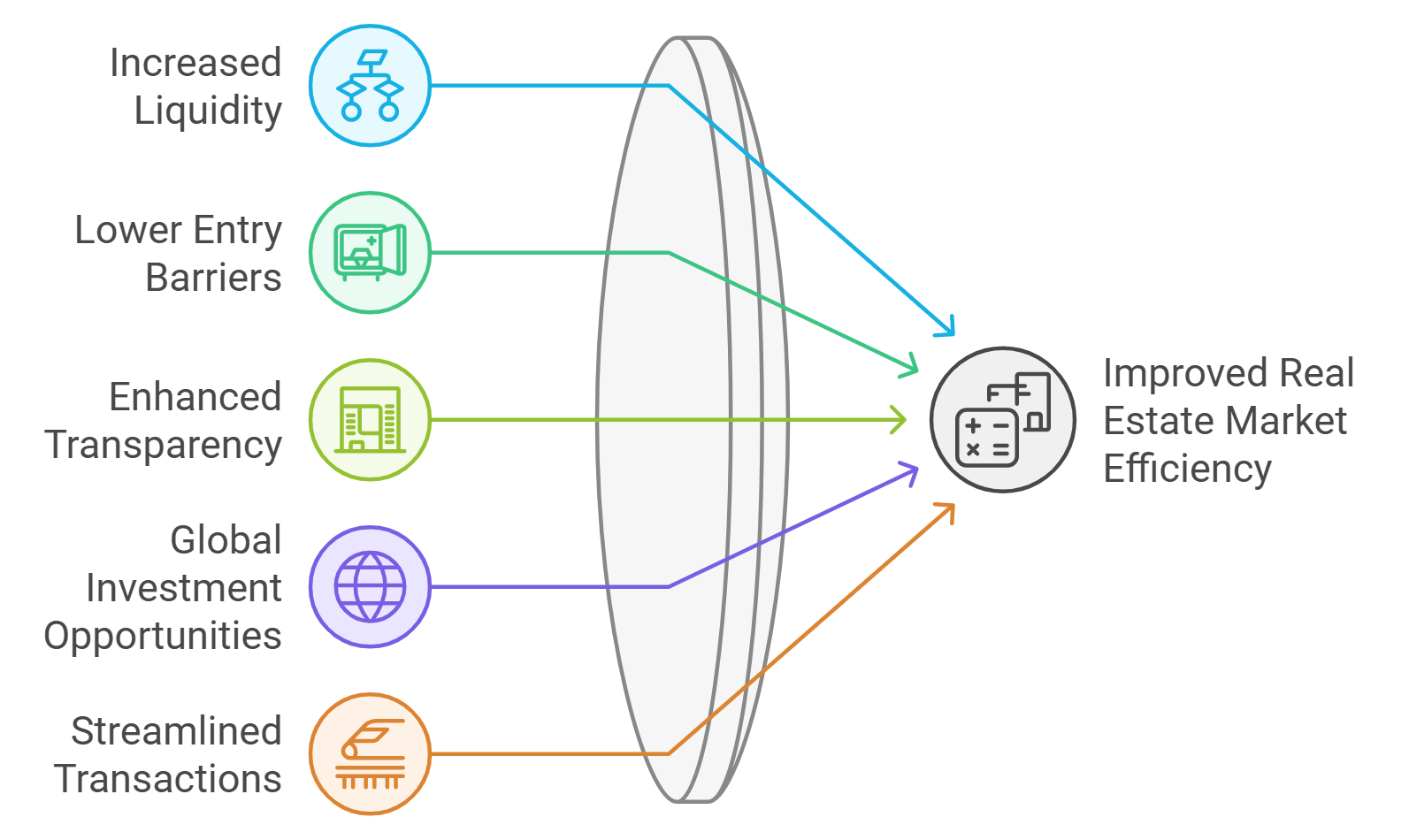
This model brings several advantages over traditional real estate investing: lower entry barriers, reduced paperwork, enhanced liquidity via secondary trading markets (though still evolving), and transparent on-chain records of ownership.
Navigating U. S. Regulations for Digital Real Estate Investing
The regulatory environment remains dynamic but far more navigable than just a few years ago. Most tokenized offerings are structured as securities under SEC rules using exemptions such as Regulation D (for accredited investors), Regulation A and (allowing broader public participation up to certain limits), or Regulation Crowdfunding. Each comes with specific requirements on who can invest and how much they can allocate per year.
If you’re new to this space or want more detail about compliance considerations when investing in U. S. -based fractional tokens, see our comprehensive step-by-step breakdown here: How to Invest in Fractional Real Estate Tokens: Step-by-Step Guide.
The bottom line: always check that your chosen platform is operating within current regulatory frameworks, and be prepared for KYC/AML verification before funding your account.
Key Risks and Due Diligence for 2025
While fractional real estate tokens offer a streamlined entry point, prudent due diligence is essential. The underlying property fundamentals still matter: location, occupancy rates, sponsor track record, and local market trends all drive long-term returns. Tokenization does not eliminate real estate market cycles or tenant risk. Investors should scrutinize the offering documents for details on property management, distribution schedules, exit strategies, and how token holders’ rights are protected within the LLC or trust structure.
Comparison of Leading Tokenized Real Estate Platforms in 2025 (US)
| Platform | Minimum Investment | Asset Type Focus | Payout Frequency | Regulatory Structure |
|---|---|---|---|---|
| Lofty | $50 | U.S. Rental Properties (Residential) | Daily | Regulation D, Regulation A+ |
| RealT | $50 | U.S. Residential Properties | Daily | Regulation D, Regulation S |
| HoneyBricks | $100 | U.S. Commercial Real Estate | Monthly | Regulation D, Regulation A+ |
Liquidity is another critical factor. Although secondary markets for digital real estate tokens have matured in 2025 compared to previous years, trading volumes can still be thin. Most platforms now support peer-to-peer transfers or integrate with regulated security token exchanges, but you may face holding periods or price discounts if you need to sell quickly. Always review each platform’s liquidity provisions before investing.
Taxation and Reporting Considerations
U. S. -based investors must consider the tax implications of both rental income and potential capital gains from fractional real estate tokens. Most platforms issue annual tax forms (such as K-1s or 1099s) reflecting your share of income and expenses. If you hold tokens in a crypto wallet rather than on-platform custody, additional reporting requirements may apply. Consult a tax advisor familiar with both digital assets and real estate to ensure compliance.
Best Practices for Digital Real Estate Investing
- Diversify: Spread your capital across multiple properties or even platforms to minimize idiosyncratic risk.
- Stay Informed: Monitor regulatory developments that could impact platform operations or investor protections.
- Review Disclosures: Read all offering circulars and platform terms carefully; look for transparent fee structures and clear governance processes.
- Assess Exit Options: Understand how secondary trading works on your chosen platform, some allow instant liquidity while others require waiting periods.
The Outlook for Property Tokenization in the U. S.
The landscape for digital real estate investing continues to evolve rapidly. By late 2025, major platforms have demonstrated that blockchain-based property ownership can deliver both transparency and efficiency at scale. Regulatory clarity has brought new institutional players into the market while maintaining strong consumer protections via KYC/AML standards. For investors willing to do their homework, and comfortable navigating a blend of real estate fundamentals with digital infrastructure, the opportunities are significant.
If you're ready to explore further or want a detailed walkthrough tailored to beginners, consider our dedicated guide: How to Invest in Fractional Real Estate Tokens: Step-by-Step Guide for Beginners.
The democratization of property ownership through tokenization is no longer theoretical, it’s reshaping portfolios across the United States today. As always, align your strategy with your risk tolerance and investment horizon.




No comments yet. Be the first to share your thoughts!