
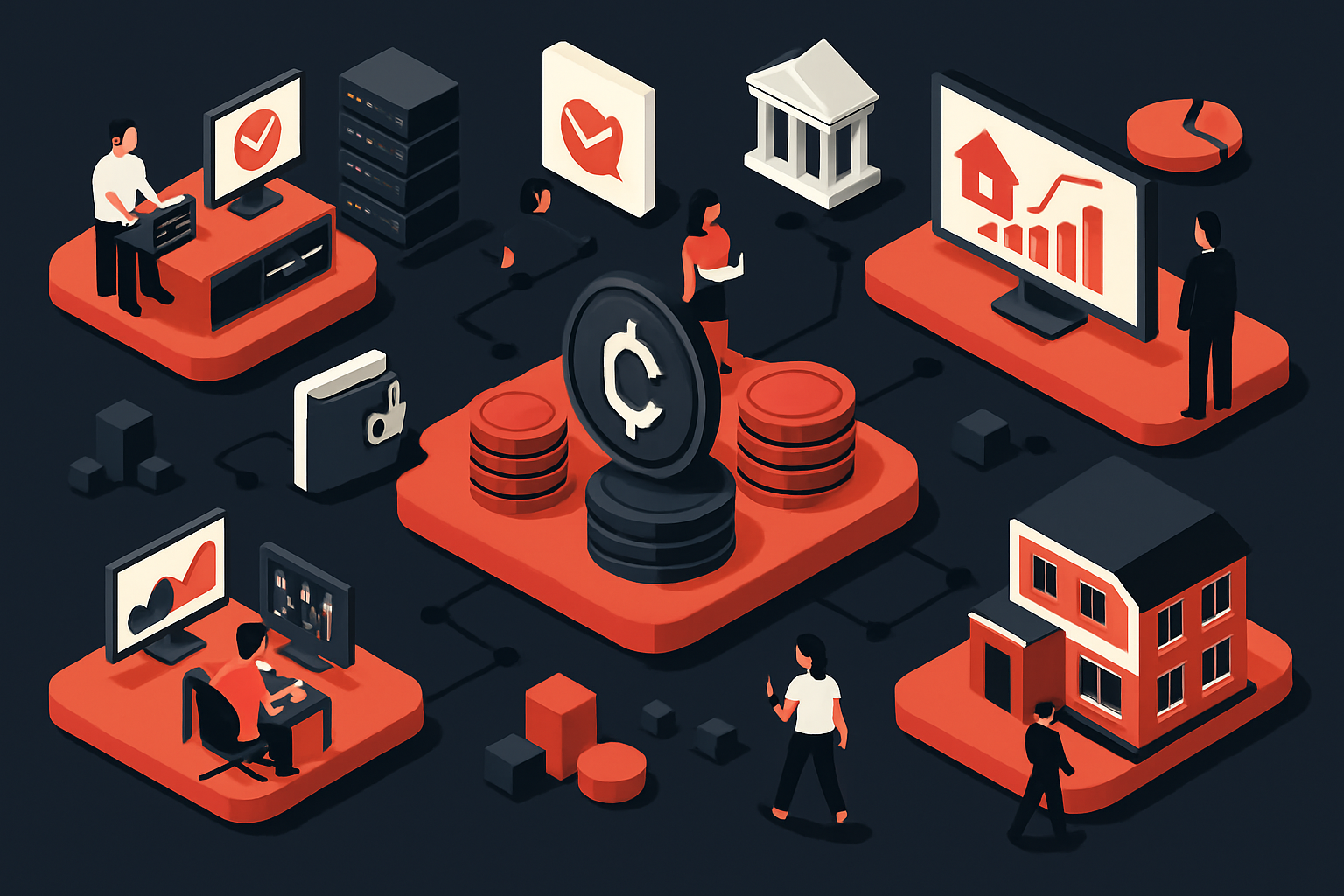
Tokenized real estate is taking the US property market by storm in 2025, offering a fresh, digital-first approach to investing. With the market projected to skyrocket to $4 trillion by 2035 and annual growth rates topping 27%, savvy investors are lining up to explore fractional ownership and blockchain-powered transparency. If you want to invest in tokenized real estate in the US, following a clear, compliant process is key. Here’s how you can get started with confidence.
Step 1: Research and Select a Compliant Tokenized Real Estate Platform
Your journey begins by choosing a reputable platform that aligns with US regulations. Top names like Lofty, RealT, and Arrived Homes have set the standard for secure, accessible tokenized property investment in 2025. These platforms offer:
- Fractional ownership of vetted US properties
- User-friendly dashboards for tracking returns and liquidity
- Compliance with SEC rules, including investor accreditation where required
Don’t just compare fees, look at platform security, secondary market liquidity, and the diversity of available assets. For more on how these platforms are transforming access for small investors, check out this guide on breaking down barriers in real estate tokenization.
Step 2: Complete KYC/AML Verification and Set Up a Compatible Digital Wallet
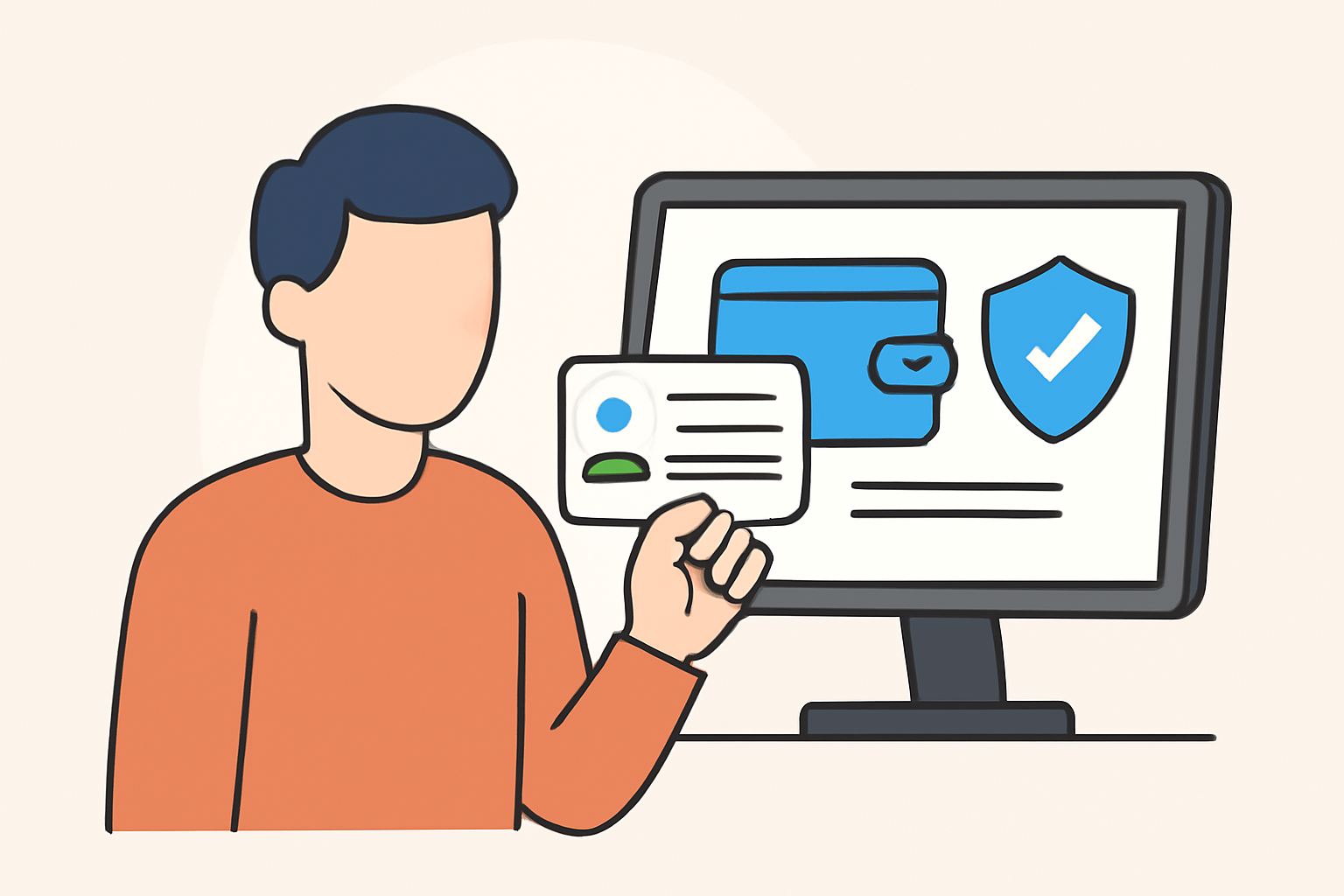
KYC (Know Your Customer) and AML (Anti-Money Laundering) procedures aren’t just buzzwords, they’re legal requirements for any legitimate US-based platform. Be ready to provide identification documents such as your driver’s license or passport. This ensures your investments are protected under SEC oversight.
You’ll also need a compatible digital wallet, think MetaMask or Trust Wallet for hot storage, or Ledger for cold storage if you’re investing larger sums. Make sure your wallet supports ERC-20 tokens (the most common standard for property tokens) and always enable two-factor authentication.
Start Investing in Tokenized Real Estate on Lofty or RealT: Step-by-Step (2025)
Step 3: Review Legal Documentation and Understand U. S. Regulatory Requirements
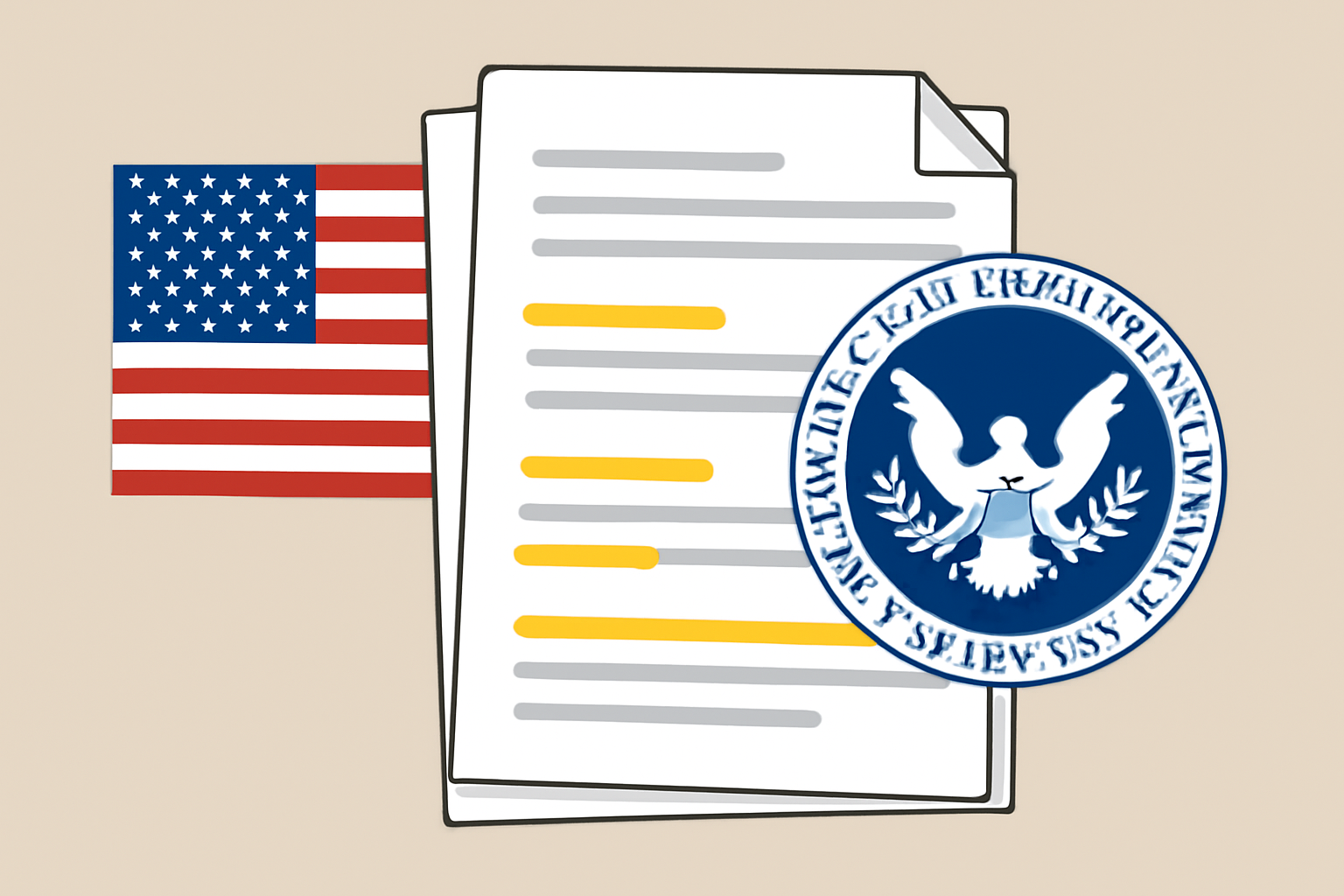
This isn’t just paperwork, it’s your protection as an investor. Thoroughly review offering memorandums, operating agreements, and disclosures provided by the platform. In the US, most tokenized property offerings fall under SEC regulations like Regulation D or S, meaning you may need to prove accredited investor status depending on the asset.
If you’re new to this space or want more detail on what regulatory compliance looks like in practice, see our deep dive into fractional ownership via real estate tokenization.
The Next Steps Toward Smart Diversification
You’ve navigated compliance, now it’s time to analyze available properties, assess token performance metrics (like rental yield and appreciation), diversify across assets, initiate purchases, and implement ongoing risk management strategies. We’ll break down those steps next so you can make informed choices every time you buy into a new property-backed token.
Step 4: Analyze Available Properties, Assess Token Performance, and Diversify Across Assets
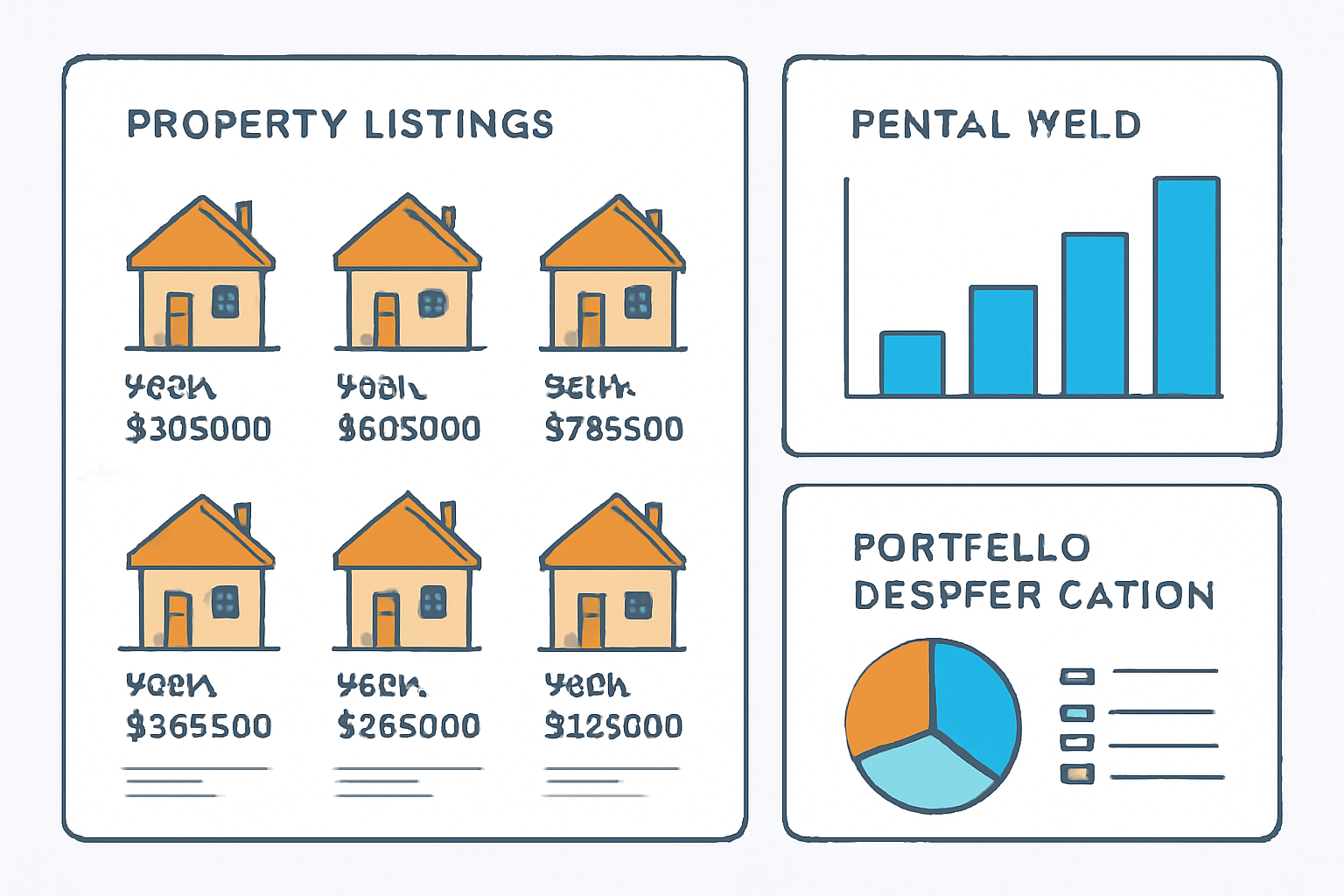
With your account set up and compliance boxes checked, the real fun begins: exploring tokenized property investment in 2025. Platforms like Lofty, RealT, and Arrived Homes provide detailed listings for each property, think location insights, rental yield projections, occupancy rates, and historical appreciation data. Use these tools to compare properties just as you would with traditional real estate but with the added benefit of blockchain-powered transparency.
- Rental Yield: Look for properties with consistent cash flow. Many platforms display daily or monthly rental income estimates based on actual leases.
- Market Trends: Consider local market growth and economic indicators. Some dashboards even integrate live data feeds or third-party analytics.
- Diversification: Don’t put all your eggs in one basket. Spread your capital across different property types (single-family homes, multifamily units, commercial spaces) and geographic regions to reduce risk.
Smart diversification is a cornerstone of any resilient portfolio, especially in a fast-evolving sector like tokenized real estate. If you want to dig deeper into how this digital-first diversification works in practice, check out our fractional real estate tokens guide for US investors.
Step 5: Initiate Purchase of Real Estate Tokens and Implement Ongoing Risk Management Strategies
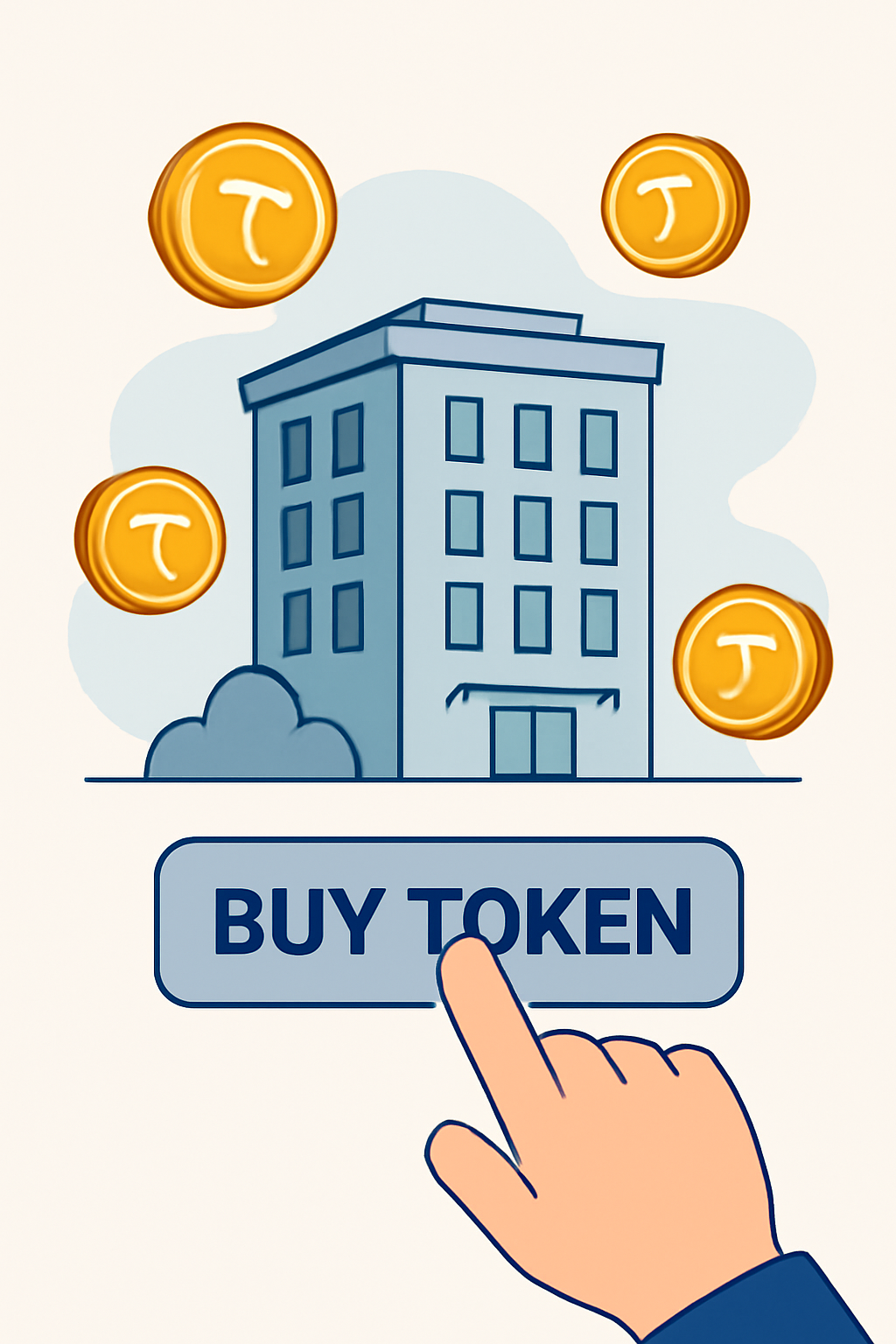
Ready to buy? Initiating your first purchase is as simple as selecting a property on your chosen platform, specifying the number of tokens (or fractional shares) you want to acquire, and executing the transaction via your digital wallet. Many platforms have low minimums, sometimes under $100, making it easy to start small and scale up as you gain confidence.
But don’t stop there. Ongoing risk management is essential:
- Monitor Performance: Use platform dashboards to track rental income distributions, token price fluctuations on secondary markets, and property updates.
- Stay Liquid: Take advantage of secondary markets where you can sell tokens if market conditions change or you need access to capital.
- Rebalance Regularly: Adjust your holdings periodically based on performance data or shifts in market trends, just like with stocks or ETFs.
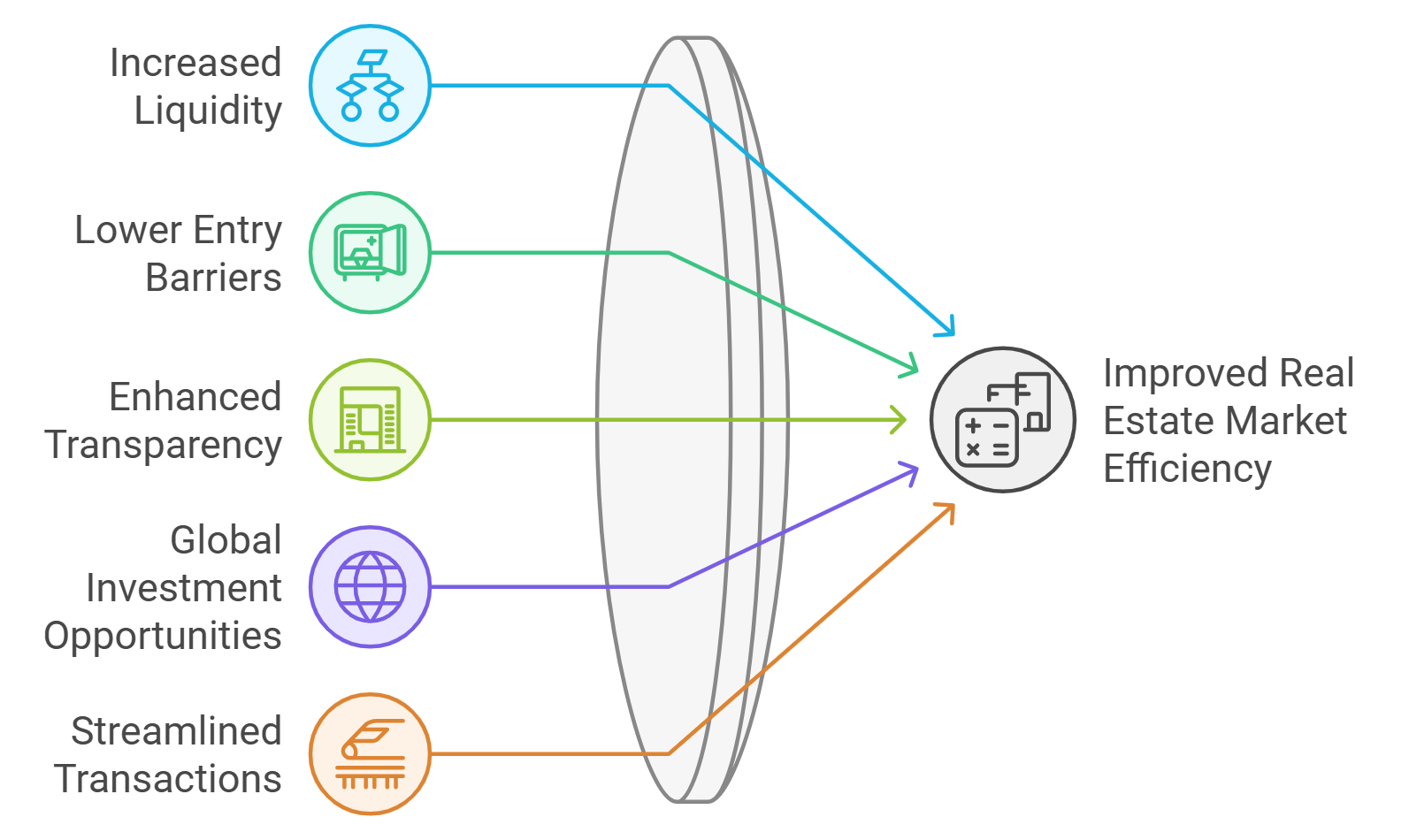
If you’re curious about how blockchain is shaking up liquidity for global investors (and how that benefits your risk strategy), read our feature on real estate tokenization’s liquidity revolution.
Your Path Forward: Stay Informed and Adaptable
The landscape for how to buy real estate tokens USA-style is dynamic. Regulations evolve. New platforms launch. Data-driven strategies become more sophisticated every quarter. The most successful investors are those who stay engaged with industry news and adapt their approach as technology advances. Subscribe to trusted newsletters, join investor communities, and revisit legal requirements annually, or whenever you plan a major allocation shift.
If you’re ready to chart your own course through this new frontier of digital property ownership, or just want more practical tips, browse our comprehensive guides on step-by-step investing in tokenized real estate. The future of property investing is transparent, fractional, and accessible, and it’s yours for the taking.




No comments yet. Be the first to share your thoughts!