
Tokenized real estate is transforming how we think about property ownership, breaking down traditional barriers and allowing investors to buy fractional interests in real-world assets via blockchain. But beneath the slick user interfaces and digital tokens lies a complex web of legal structures, compliance protocols, and custody solutions that make these investments possible, and safe. If you’re considering adding tokenized property to your portfolio, understanding the legal backbone is not just helpful, it's essential.
Why Legal Structure Matters: LLCs, SPVs, and Tokenized Ownership
The foundation of any tokenized property legal structure is the entity that actually owns the real estate. Most commonly, this takes the form of a Limited Liability Company (LLC) or a Special Purpose Vehicle (SPV). Each property gets its own dedicated LLC or SPV, think of it as a digital lockbox for that asset. Investors don’t own the bricks and mortar directly; instead, they own tokens representing membership interests in the LLC or shares in the SPV.
This approach isn’t just about efficiency; it’s about clarity and enforceability. By housing each asset within its own legal wrapper, platforms like RealT (which uses a Delaware series LLC structure) can offer clear lines of ownership and liability. If you hold tokens for one property’s LLC, your rights, and risks, are neatly separated from every other asset on the platform (source). This solves one of tokenization’s biggest pain points: making sure your stake is both real and legally defensible.
Key Benefits of LLCs and SPVs in Tokenized Property
- Clear Legal Ownership: LLCs and SPVs provide a legally recognized structure for holding real estate, ensuring that each token represents a direct, enforceable interest in the property-holding entity. This clarity helps resolve ownership challenges commonly faced in tokenized real estate. (Bulldog Law)

- Enhanced Investor Protection: By isolating each property within its own LLC or SPV, investors are shielded from liabilities associated with other assets or properties, limiting risk exposure and providing a robust layer of legal protection. (Legal Nodes)
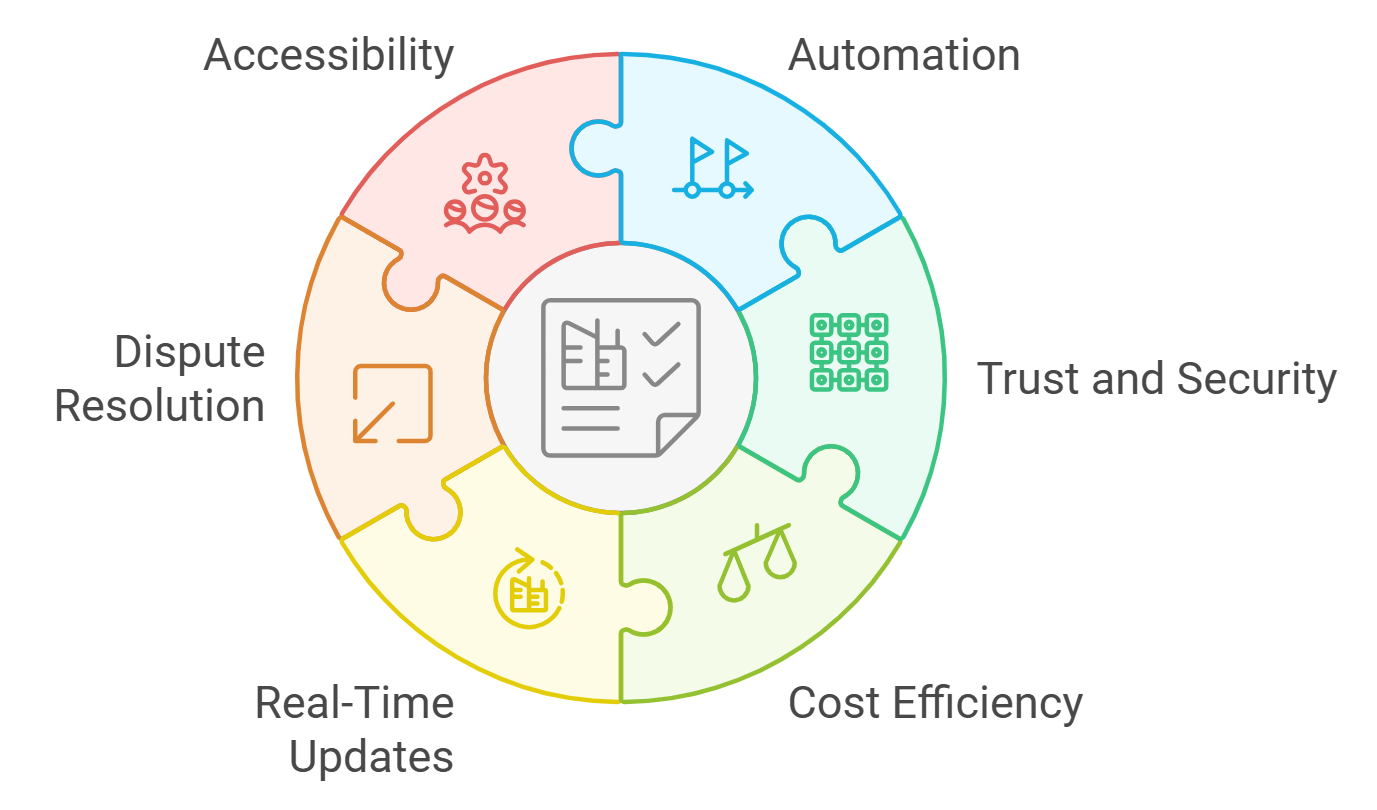
- Simplified Securities Compliance: Tokenizing interests in LLCs or SPVs allows platforms to comply with securities regulations (like Regulation D and Regulation S), making it easier to implement KYC and AML procedures and ensuring legal trading on registered platforms. (Tokenized Living)
- Streamlined Profit Distribution: LLCs and SPVs enable automated and transparent distribution of rental income or profits to token holders, with rights and processes clearly defined in both smart contracts and legal agreements. (Legal Nodes)
- Facilitated Secondary Market Trading: Structuring tokenized properties through LLCs or SPVs allows tokens to be traded on compliant secondary markets, increasing liquidity for investors while maintaining regulatory adherence. (Debut Infotech)
Securities Compliance: Navigating Regulation D, S, and Global Standards
Once you’ve got your real estate LLC blockchain structure in place, it’s time to face regulatory reality. In most jurisdictions, including the U. S.: tokenized real estate offerings are classified as securities. That means they must comply with an alphabet soup of regulations designed to protect investors.
Regulation D allows private offerings to accredited investors without full SEC registration, a popular route for U. S. -based platforms. Regulation S, on the other hand, enables offerings to non-U. S. investors provided transactions happen outside American borders. Both frameworks require robust Know Your Customer (KYC) and Anti-Money Laundering (AML) checks to verify identities and prevent illicit activity (source).
The compliance net doesn’t stop at U. S. borders. The European Union’s MiCA regulation aims to create a harmonized framework for crypto assets, including property tokens, while MiFID II addresses investor protections across traditional securities markets (source). For international projects or platforms with global ambitions, navigating these overlapping standards is non-negotiable.
The Custody Challenge: Where Are My Tokens, and My Property?
If you’re used to buying stocks or ETFs through a brokerage account, custody is invisible, you trust your broker (and their clearinghouse) to keep records straight. With tokenized real estate, custody becomes both digital and physical:
- Digital Asset Custody: Tokens are stored in wallets secured by multi-signature protocols, cold storage solutions, or hardware security modules, often managed by regulated custodians specializing in digital assets.
- Physical Asset Custody: The underlying property remains held by its respective LLC or trust structure, ensuring that any legal claim on the asset flows through clearly defined channels if disputes arise.
This dual-layered approach ensures that whether you’re holding one token or ten thousand, your investment is protected both on-chain (via cryptographic security) and off-chain (via enforceable contracts).
But custody is only as strong as the compliance and controls behind it. That’s why leading platforms integrate rigorous KYC and AML checks at every stage, from onboarding to token transfers. Not only does this help keep bad actors out, it also ensures platforms remain in good standing with regulators, an absolute must for long-term viability. In fact, many tokenized real estate platforms now partner with third-party custodians who specialize in both digital security and regulatory reporting, providing an extra layer of reassurance for investors who want to sleep well at night.
Investor Protections: Rights, Transparency, and Exit Options
So what does all this mean for the everyday investor? First and foremost: your rights are defined both by smart contracts on the blockchain and by traditional legal documents governing the LLC or SPV. This hybrid approach is crucial, it ensures you have enforceable claims to income distributions, voting rights (where applicable), and a clear path to exit your investment.
Modern tokenized property offerings typically spell out these rights in plain English (and code), including:
Key Investor Protections in Property Tokenization
- Clear Legal Ownership via LLCs and SPVs: Tokenized real estate platforms like RealT use Delaware series LLCs or Special Purpose Vehicles (SPVs) to hold property assets. This structure ensures each property is legally separated, and investors' tokenized interests are directly linked to specific real estate assets.
- Securities Law Compliance: Platforms adhere to SEC regulations such as Regulation D for accredited U.S. investors and Regulation S for non-U.S. investors. These rules require robust KYC/AML checks to verify investor identities and prevent illicit activities.
- Secure Digital Asset Custody: Leading custodians like Fireblocks and Coinbase Custody provide multi-signature wallets, cold storage, and hardware security modules to protect investors’ digital tokens from hacks and unauthorized access.
- Transparent Investor Rights: Tokenization platforms clearly define profit distribution, voting rights, and asset claims in both smart contracts and traditional legal documents, ensuring investors know exactly what rights their tokens confer.
- International Regulatory Standards: Many platforms comply with global frameworks like the EU’s MiFID II and the Markets in Crypto-Assets Regulation (MiCA), providing additional investor protections and market integrity across borders.
Transparency is another major win. Blockchain’s immutable ledger means every transaction is recorded and auditable, no backroom deals or hidden transfers. Plus, real estate platforms often publish regular financial statements, rent rolls, and asset valuations so you can track performance just like you would with a public REIT.
Global Trends and The Road Ahead
As regulators catch up with innovation, expect even tighter alignment between digital asset custody rules and traditional real estate law. The EU’s MiCA regulation is already setting new standards for investor protection and market integrity (source). Meanwhile, U. S. -based projects continue to refine their use of LLCs and SPVs to offer clarity around ownership and liability, making it easier than ever for global investors to access high-quality properties through their favorite blockchain platform.
The bottom line? Tokenized real estate isn’t just about technology, it’s about building trust through robust legal structures, airtight compliance protocols, and transparent custody solutions. Whether you’re a seasoned investor or just crypto-curious about KYC property tokenization, understanding these frameworks will help you make smarter decisions, and avoid common pitfalls, as this market matures.



No comments yet. Be the first to share your thoughts!