
How tokenized real estate works in 2026
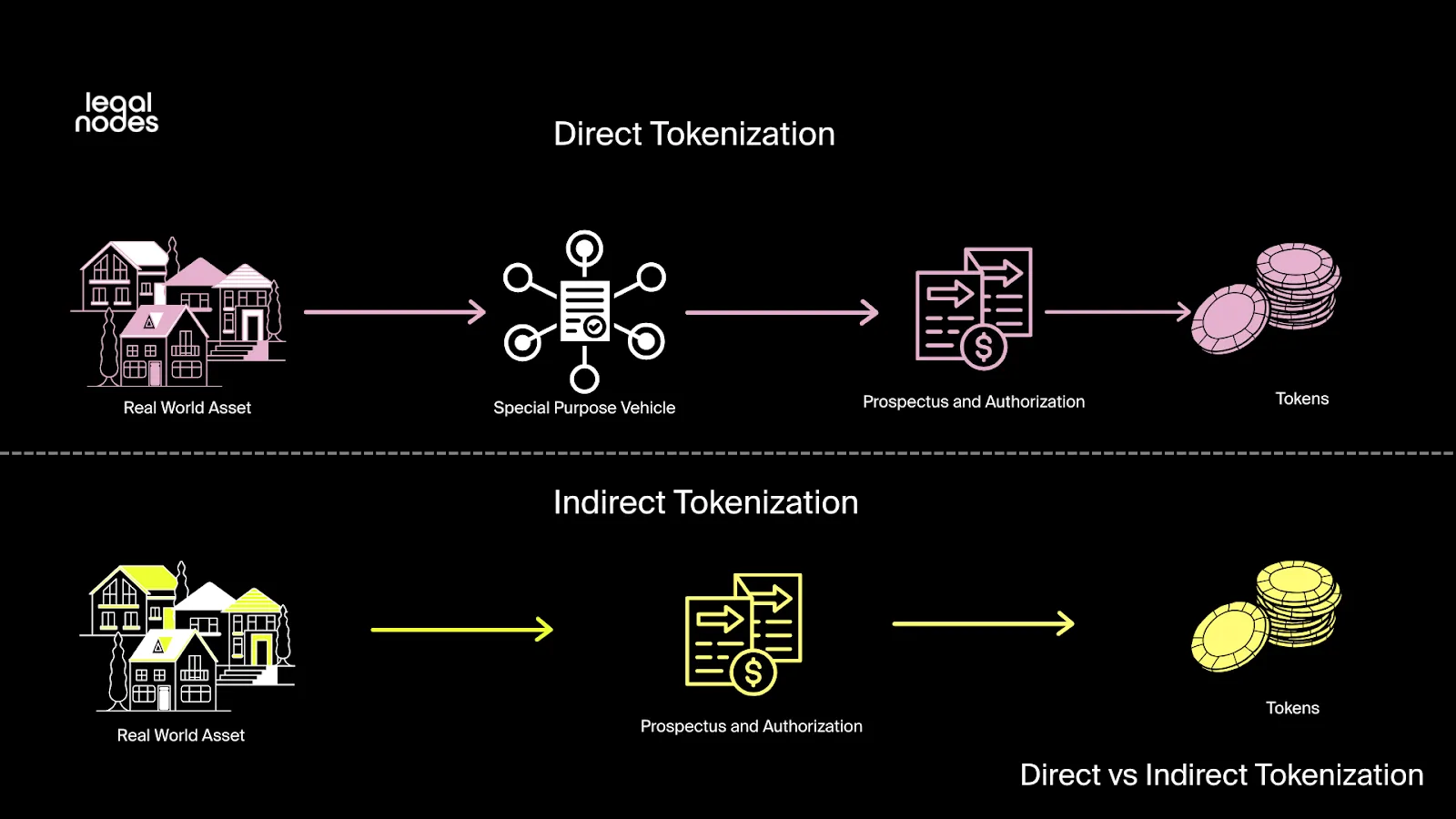
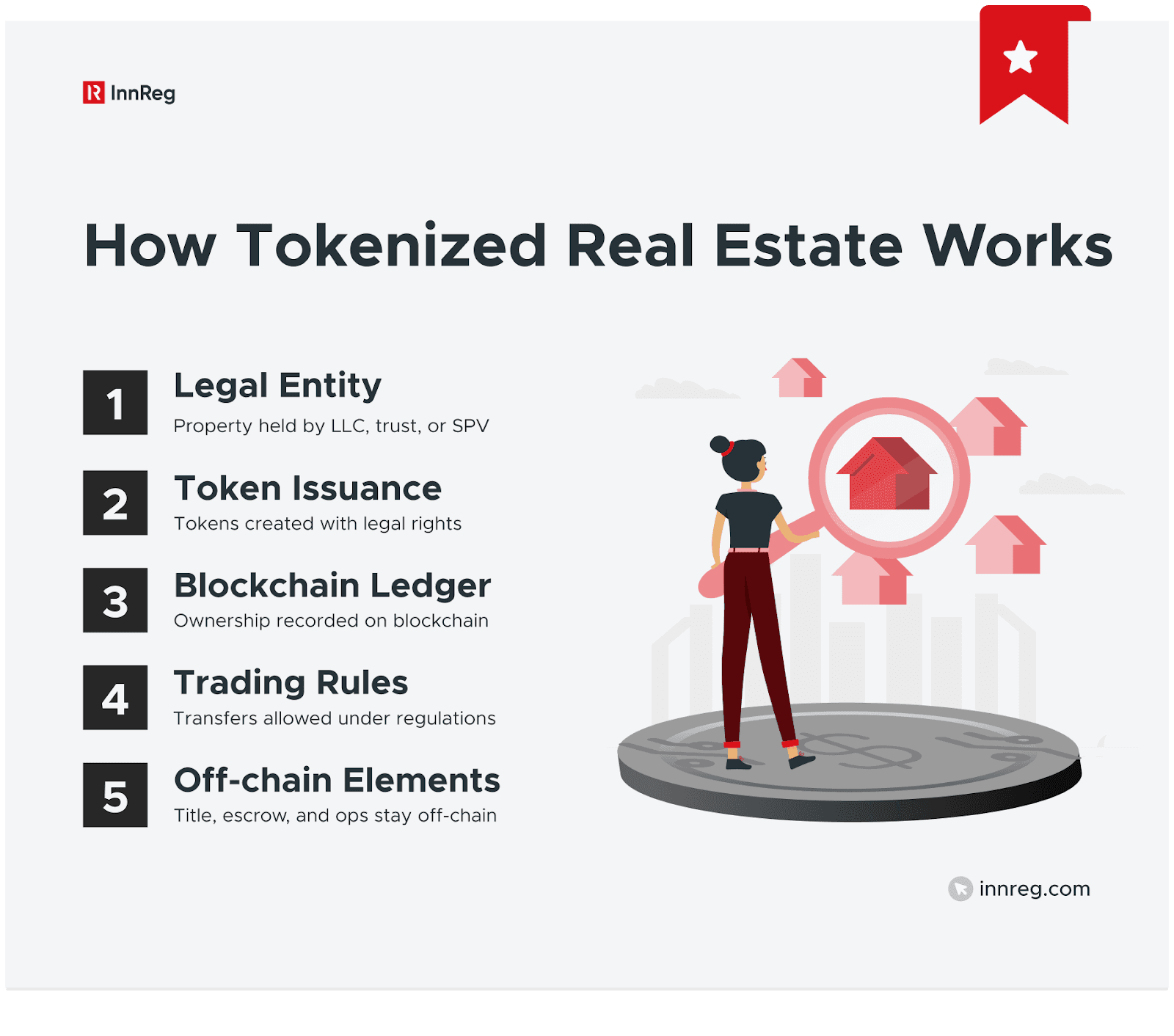
Tokenized real estate turns physical property into digital shares on a blockchain. Instead of buying a whole building, investors purchase fractional ownership stakes represented by tokens. These tokens function like digital securities, allowing for smaller investment minimums and greater liquidity than traditional real estate.
The process begins when a property is legally structured to allow fractional ownership. A smart contract records the total number of tokens and assigns them to investors. Platforms like RealT or Lofty AI handle the legal compliance, property management, and distribution of rental income. When you buy a token, you are buying a proportional claim on the underlying asset.
Holding tokens offers two primary benefits: rental income and potential appreciation. Platforms typically distribute monthly rent directly to token holders in stablecoins or fiat currency. Investors can also trade their tokens on secondary markets, though liquidity varies by platform and jurisdiction.
The global market for tokenized real estate is projected to reach $3 trillion by 2030, representing 15% of real estate assets under management.
This model lowers the barrier to entry for real estate investing. Investors can diversify across multiple properties and geographies with minimal capital. However, it requires understanding blockchain technology and regulatory nuances. Always verify the legal structure and platform reputation before investing.
Best platforms for fractional ownership
Use this section to make the Top Tokenized Real Estate Platforms for decision easier to compare in real life, not just on paper. Start with the reader's actual constraint, then separate must-have requirements from details that are merely nice to have. A practical choice should survive normal use, maintenance, timing, and budget. If a recommendation only works in an ideal situation, call that out plainly and give the reader a fallback path.
The simplest way to use this section is to write down the must-have criteria first, then compare each option against those criteria before weighing nice-to-have features.
AI Tools for Property Valuation
Leading tokenized real estate platforms are integrating artificial intelligence to automate property valuations and risk assessments. This shift addresses a primary concern in digital asset management: the "black box" effect where investors lack visibility into how asset prices are determined. By using AI, platforms provide real-time, data-driven insights that replace outdated manual appraisals.
Propy, for example, is leveraging blockchain technology for tokenized closings while simultaneously developing AI valuation models. Their 2026 roadmap includes AI-driven valuations for properties with tokenized values exceeding $2 billion. This approach ensures that the price of a token reflects current market conditions rather than stale historical data.
These systems analyze vast datasets, including recent sales, local market trends, and economic indicators, to generate accurate price estimates instantly. For investors, this means greater transparency and confidence in the underlying value of their holdings. The technology reduces reliance on third-party appraisers, lowering costs and speeding up transaction times.
While AI enhances efficiency, it is not without limitations. Algorithms may struggle with unique properties or sudden market shifts. Therefore, most platforms combine AI outputs with human oversight to ensure accuracy. Investors should view AI valuations as a dynamic tool rather than a static guarantee, understanding that market volatility can still impact asset prices.
Note: AI valuations are estimates based on available data. They do not constitute financial advice or guaranteed future performance.
Regulatory landscape and compliance
The regulatory environment for tokenized real estate is tightening as major jurisdictions establish clearer frameworks. In the European Union, the Markets in Crypto-Assets (MiCA) regulation, fully effective from 2026, sets the standard for digital asset custody and issuer transparency. Platforms operating in this region must align with MiCA’s strict requirements for whitepapers and asset segregation, while also navigating MiFID II rules that classify many tokenized property shares as financial instruments.
In the United States, the Securities and Exchange Commission (SEC) continues to enforce existing securities laws, requiring platforms to verify investor accreditation and enforce strict holding periods. Leading platforms like RealT and Propy have adapted by implementing robust Know Your Customer (KYC) and Anti-Money Laundering (AML) protocols. These systems verify investor identities on-chain and off-chain, ensuring that only qualified participants can trade fractional ownership stakes.
Compliance is no longer just a legal hurdle but a core feature of top tokenized real estate platforms. Tools like Securitize provide the underlying infrastructure for compliant token issuance, handling dividend distributions and shareholder records automatically. This technological layer reduces administrative friction while maintaining the legal integrity required by regulators. Investors should verify that any platform they use has clear compliance disclosures and operates within the legal boundaries of their jurisdiction.
Disclaimer: This article is for informational purposes only and does not constitute financial advice. Tokenized real estate involves significant risks, including liquidity constraints and regulatory changes. Always consult a qualified financial advisor before investing.
How to start investing in tokens
Buying tokenized real estate shares follows a structured process similar to opening a brokerage account, with added layers of identity verification. The workflow moves from platform selection to asset purchase in four distinct phases.

Compare platforms like Securitize, RealT, or Propy based on your target market. Verify that the platform holds the necessary regulatory licenses in your jurisdiction, as tokenized securities are heavily regulated. Look for platforms that offer a wide selection of properties and clear fee structures.
Submit government-issued ID, proof of address, and potentially accreditation documents. This Know Your Customer (KYC) and Anti-Money Laundering (AML) process is mandatory for all tokenized securities. The review typically takes 24-48 hours.

Deposit fiat currency via bank transfer or use supported cryptocurrency to purchase tokens. Check for minimum deposit requirements, which can range from $50 to $10,000 depending on the platform. Some platforms offer auto-invest features for recurring contributions.
Select a property listing, review the financial projections, and execute the purchase. Tokens are instantly credited to your digital wallet within the platform. You will receive regular distributions from rental income or property appreciation directly to your account.
Disclaimer: This information is for educational purposes only and does not constitute financial advice. Tokenized real estate involves risks, including market volatility and liquidity constraints. Always consult a qualified financial advisor before investing.
Frequently asked: what to check next
Is real estate going to be tokenized?
The shift toward tokenized real estate is accelerating as institutional and high-net-worth investors allocate more capital to digital assets. By 2026, institutional investors expect to allocate 5.6% and HNW individuals 8.6% of their portfolios to tokenized assets, with real estate ranking as the second most attractive option for both groups. Major platforms like RealT and Lofty are already facilitating these transactions, proving the model is viable beyond early experimentation.
How liquid are tokenized real estate investments?
Tokenization significantly improves liquidity compared to traditional property ownership, but it is not as immediate as selling stocks. Investors can trade tokens on secondary markets, though liquidity depends on platform volume and buyer demand. Unlike physical properties that take months to sell, tokens can be transferred instantly, but you may still face delays if no buyers are actively seeking specific assets.
What are the main risks of investing in tokenized real estate?
Investors should be aware of regulatory uncertainty, platform risk, and market volatility. While blockchain technology reduces fraud, the legal framework for tokenized assets is still evolving in many jurisdictions. Additionally, if a platform fails or faces technical issues, accessing your assets or dividends could be complicated. Always research the platform’s legal structure and insurance coverage before investing.
How do returns work on tokenized real estate platforms?
Returns typically come from rental income distributed as cryptocurrency or stablecoins and potential capital appreciation when token prices rise. Platforms like RealT and Lofty distribute monthly rental yields directly to token holders. However, returns are not guaranteed and depend on property performance, occupancy rates, and broader market conditions. Always review the platform’s fee structure, which may include management fees and transaction costs.
Are tokenized real estate investments safe?
Tokenized real estate offers transparency through blockchain records, but it is not risk-free. Smart contract vulnerabilities, regulatory changes, and market fluctuations can impact your investment. While platforms implement security measures, no investment is entirely safe. Diversify your portfolio and only invest what you can afford to lose. Consult a financial advisor to understand how tokenized assets fit your overall strategy.
Helpful gear
Use these product recommendations as a starting point, then choose the size, material, and price point that fit how you actually use the gear.


As an Amazon Associate, we may earn from qualifying purchases.
No comments yet. Be the first to share your thoughts!